
Pruning
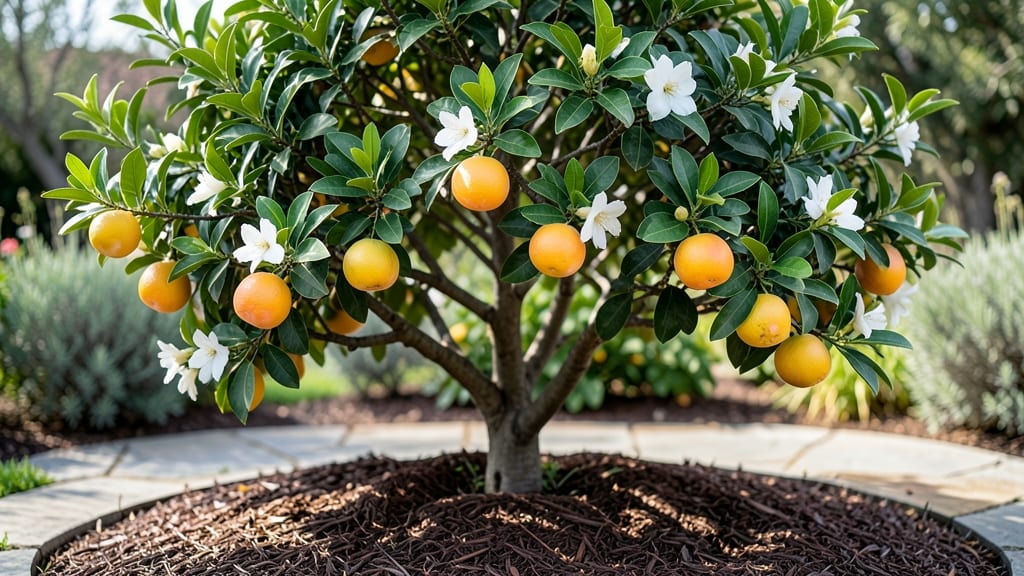
Caring for a grapefruit tree means mastering the balance between bold sunlight and delicate frost sensitivity—something I learned after my first tree's branches cracked in a surprise freeze. 🌱 The secret isn't just about watering or soil; it's the precision in how you shape the tree, especially in those critical first years when roots establish and fruit buds form.
You'll need well-draining soil, a location with 6+ hours of direct sun daily, and a watering schedule that mimics the Mediterranean climate these trees crave.
Most people overwater, drowning the roots and inviting root rot—my tree nearly died from this exact mistake before I adjusted to deep watering every 7-10 days once established.
With the right pruning, you'll see thick, glossy leaves and sweet, fragrant blooms by spring, followed by fruit that ripens over winter. The key moves are winter shaping (to avoid frost damage) and summer thinning (to improve air circulation and fruit size).
Works for both backyard citrus groves and large containers—just scale the pot size to the tree's eventual height. Here's how to keep yours thriving through every season, from planting to harvest.
📚 In This Guide
- What you need
- Instructions
- Tips and common mistakes
- Wrapping up and next steps
What you need
- ● Grapefruit tree sapling (choose between Ruby Red, Marsh, or White varieties for best results).
- ● Well-draining potting mix (60% organic matter, 30% perlite/sand, 10% compost) – 10 gallons minimum for young trees.
- ● Garden trowel or shovel (for digging planting holes).
- ● Mulch (pine bark or straw) – 2-3 inches to retain moisture and regulate soil temp.
- ● Slow-release fertilizer (10-10-10 NPK ratio) – 1 lb per tree at planting.
- ● Bypass pruners (sharp, high-quality) – for clean cuts on small branches (Fiskars or Felco brands recommended).
- ● Loppers (for thicker branches, 1.5–2 inches in diameter) – bypass or anvil type (avoid dull blades!).
- ● Pruning saw (for branches >2 inches) – curved-tooth design to prevent tearing.
- ● Disinfectant (70% isopropyl alcohol or bleach solution) – to sterilize tools between cuts and prevent disease.
- ● Garden gloves (cut-resistant) – for safety and grip.
- ● Drip irrigation system or soaker hose – for deep, consistent watering (1-2 inches per week in dry climates).
- ● pH test kit – grapefruit trees thrive in slightly acidic soil (pH 6.0–7.0).
- ○ Citrus-specific fungicide (optional) – for prevention of melanose or anthracnose (use copper-based sprays).
- ○ Tree support stake (optional) – for young trees in windy areas (2x4 wood or metal stake).
Instructions for year-round grapefruit tree care
Here's how to keep your grapefruit tree thriving through every season—with simple, effective techniques.
🌱 Step 1: Establish Proper Watering and Soil Conditions
Grapefruit trees need deep, infrequent watering—about 1-2 inches per week—but they hate soggy roots. I check soil moisture by sticking my finger 2 inches deep; if it feels dry, that's your watering cue. Use a well-draining citrus-specific potting mix if container-grown, or amend garden soil with sand and compost for in-ground plants.
Young trees need more frequent watering—every 3-4 days—until established. Mature trees develop deeper roots and tolerate drought better, but never let the soil dry completely. Mulch around the base with 2-3 inches of organic matter (like wood chips) to retain moisture and regulate temperature.
☀️ Step 2: Position for Optimal Sunlight and Temperature
Grapefruit trees crave full sun—at least 6-8 hours daily—but they struggle in extreme heat over 95°F. I place mine where they get morning sun and afternoon shade during summer. In colder climates, protect young trees with frost cloth when temperatures drop below 28°F, as frost can damage leaves and fruit.
If growing in containers, move them to a sheltered spot during winter. Grapefruit trees need winter chill (around 40-50°F) to set fruit properly, but they can't handle freezing. Watch for yellowing leaves—a sign of either overwatering or insufficient chill hours.
✂️ Step 3: Prune for Shape and Fruit Production
Prune grapefruit trees twice a year: late winter (before new growth) and summer (after fruiting). I remove dead, diseased, or crossing branches first—these compete for energy and weaken the tree. Use clean, sharp pruners to make cuts at a 45-degree angle just above a leaf node.
For shaping, I focus on opening the canopy to improve airflow and sunlight penetration. Avoid heavy pruning—never remove more than 25% of the foliage in one session. You'll see new growth within 4-6 weeks, and the tree will reward you with better fruit set the following season.
💧 Step 4: Fertilize for Healthy Growth and Fruit
Feed your grapefruit tree every 2-3 months with a balanced citrus fertilizer (like 6-6-6 or 8-3-9). I apply half the recommended dose in early spring to encourage new growth, then switch to a low-nitrogen, high-potassium formula (like 3-1-5) in summer to boost fruiting.
Over-fertilizing causes salt buildup in the soil, which burns roots. Always water thoroughly after fertilizing to rinse excess nutrients away. You'll know it's working when the tree produces dark green, glossy leaves and abundant blossoms in spring.
🪴 Step 5: Monitor for Pests and Diseases
Grapefruit trees are prone to scale insects, aphids, and citrus canker. I inspect leaves weekly for sticky residue (sap from pests) or dark spots (fungal issues). Neem oil or insecticidal soap works well for pests—spray early in the morning to avoid burning leaves in the sun.
Prevent fungal diseases by avoiding overhead watering, which keeps foliage dry. If you see yellowing between leaf veins, act fast with a copper fungicide. Healthy trees develop thick, leathery leaves and fewer pest problems—so keep up with care, and your tree will stay resilient.
Tips & tricks for perfect grapefruit tree maintenance
These simple strategies will help you avoid common pitfalls and keep your grapefruit tree thriving year after year.
Watering Wisdom: The 1-2 inch weekly watering guideline works best when applied deeply—aim for slow, deep watering that penetrates to at least 6 inches down. Use a moisture meter or your finger to check deeper than the initial 2 inches mentioned, especially in summer heat. Early morning watering prevents evaporation, and mulching with those 2-3 inches of organic matter helps maintain consistent moisture levels without overwatering.
Pruning Precision: When pruning in late winter and summer, focus on creating an open vase shape rather than just removing dead branches. This improves airflow and sunlight penetration to the center of the tree. I always prune just above a leaf node at a 45-degree angle to encourage new growth—this small detail makes a big difference in how quickly the tree recovers. Remember, you'll see new growth within 4-6 weeks, so don't be afraid to make those strategic cuts.
Fertilizer Strategy: That switch from balanced fertilizer in spring to high-potassium in summer is crucial for fruit production. I've found that mixing my fertilizer with a bit of Epsom salt (about 1 tablespoon per square foot) in spring gives an extra magnesium boost that prevents yellowing between leaf veins. Always water thoroughly after fertilizing—this helps prevent salt buildup that can damage roots, and you'll notice the difference in those dark green, glossy leaves within weeks.
Pest Prevention: The weekly inspection for pests pays off big time. I've learned to look for not just visible bugs but also the early signs like sticky residue on leaves or curled leaf edges. Neem oil works wonders, but I've found that a 1% neem oil solution (mix 1 part neem oil with 99 parts water) gives better coverage without burning the leaves. Apply in the early morning when temperatures are cooler—this gives the oil time to work before the heat of the day.
Pro Tips for Grapefruit Tree Care
- These simple strategies will help you avoid common pitfalls and keep your grapefruit tree thriving year after year.
- Watering Wisdom: The 1-2 inch weekly watering guideline works best when applied deeply—aim for slow, deep watering that penetrates to at least 6 inches down.
- Pruning Precision: When pruning in late winter and summer, focus on creating an open vase shape rather than just removing dead branches.
Frequently asked questions
Got questions about keeping your grapefruit tree happy and productive?
Here are some of the most common concerns—and their solutions—to help you master year-round care, especially when it comes to pruning and maintenance.
When is the best time to prune a grapefruit tree?
Prune your grapefruit tree in late winter or early spring (before new growth begins) to avoid damaging flowers or fruit. Light trimming can also happen in summer to shape the tree, but avoid heavy cuts then. Pro tip: Wait until after frost if you’re in a cold climate!
How do I know if I’m pruning correctly?
Look for open-centered canopies—your tree should have a balanced shape with sunlight reaching the center. Remove dead, crossing, or overcrowded branches first. Key rule: Never cut more than 25% of the tree’s foliage in one session to avoid stress. Thin out branches to improve airflow and fruit quality.
Will pruning reduce my grapefruit harvest?
Not if done right! Pruning increases fruit production by redirecting energy to healthier branches. Heavy pruning in early years may delay harvest, but consistent, strategic cuts (like removing water sprouts) boost long-term yields. Focus on structural health over short-term fruit count.
Why are my grapefruit leaves yellowing or dropping?
Yellow leaves often signal overwatering, nutrient deficiency, or pests. Check soil moisture (grapefruit trees hate soggy roots) and fertilize with citrus-specific nutrients (like zinc or iron). Quick fix: Inspect undersides for aphids or scale insects—spray with neem oil if needed.
Can I grow a grapefruit tree in a pot? What’s the best size?
Yes! Use a large container (at least 15–20 gallons) with drainage holes and well-draining soil. Dwarf varieties like ‘Foster’ thrive in pots. Watch for: Root-bound trees (repot every 2–3 years) and winter protection if temps drop below 25°F. Move pots to a sunny spot year-round!
How often should I fertilize a grapefruit tree?
Feed every 2–3 months during growing seasons (spring–fall) with a balanced citrus fertilizer (e.g., 6-6-6 or 8-3-9). Avoid overdoing it: Too much nitrogen = leafy growth, fewer fruits. Flush soil occasionally with water to prevent salt buildup.
Wrapping up and next steps
Caring for your grapefruit tree is a rewarding journey that blends patience, precision, and a touch of passion! 🌿 By mastering year-round trimming techniques, proper sunlight exposure, and seasonal adjustments, you’ll nurture a thriving tree that yields sweet, juicy fruit for years to come.
Whether you’re a beginner or a seasoned gardener, every small effort makes a big difference—so roll up those sleeves and enjoy the process!
Ready to take the next step? Start by scheduling your first trim this season—and don’t forget to share your progress with fellow grapefruit enthusiasts! 🍊✨