
Planting
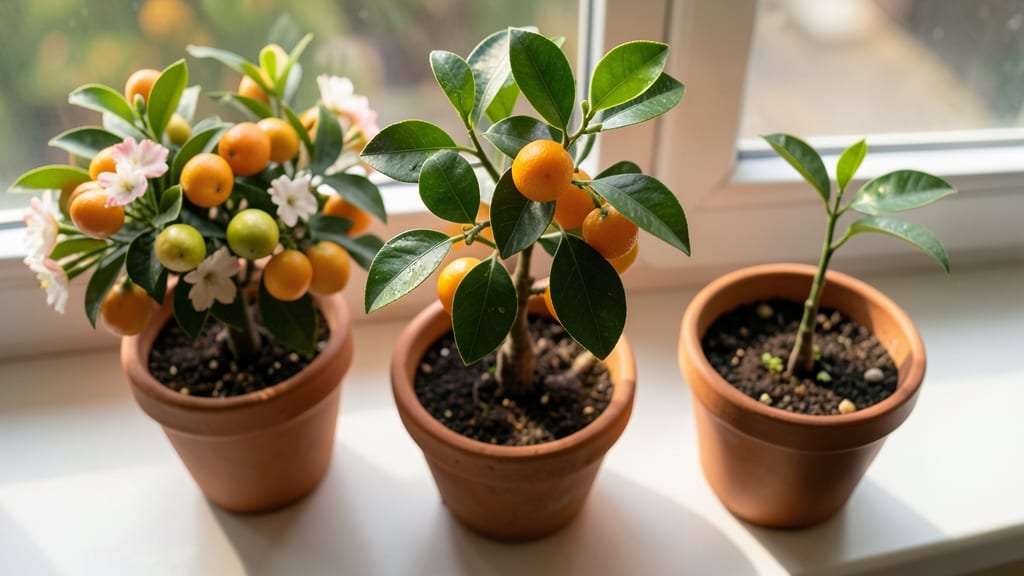
Growing fruit from seeds is rewarding and easier than you think! These 10 beginner-friendly fruit seeds produce delicious harvests with minimal effort, perfect for small spaces or large gardens alike.
Cherry Tomatoes Seeds for Home Gardens
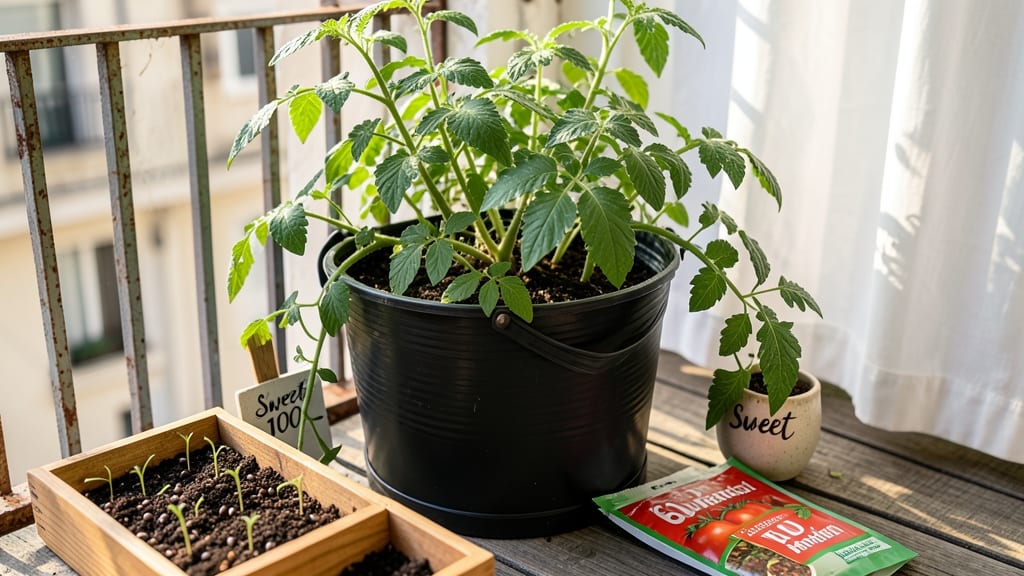
Urban gardeners, rejoice! Cherry tomato seeds are your fastest ticket to homegrown fruit—ready to harvest in just 60 days without needing a backyard. These compact vines thrive in 5-gallon containers, making them perfect for balconies, patios, or even sunny windowsills.
Start seeds indoors 6–8 weeks before your last frost, then transplant seedlings into pots with well-draining soil. Provide 6 hours of sun daily and water consistently (but avoid soggy soil). Varieties like Sweet 100 or Sun Gold deliver explosion-like flavor in bite-sized bursts, and you’ll get continuous harvests if you prune regularly.
This is the ideal first fruit for beginners—low-maintenance, high-reward, and packed with vitamins. Plus, kids love plucking ripe tomatoes straight from the vine! 🌱
Strawberry Seeds for Year-Round Harvests
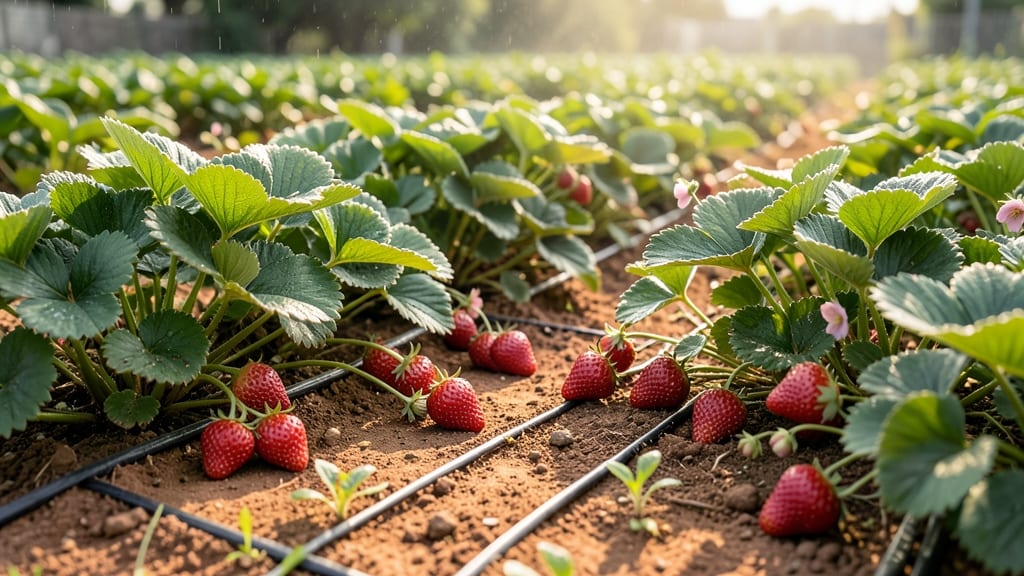
Tired of annuals that demand replanting every year? Strawberry seeds offer a game-changing alternative—plant once, harvest for years. Unlike their fast-growing tomato cousins, these perennial plants reward patience with sweet fruit across multiple seasons, even in cooler climates with the right care.
Sow seeds in well-draining soil with 6 hours of sun daily, and choose everbearing varieties like 'Alpine' or 'Seascape' for continuous production. Hanging baskets or raised beds work perfectly, and mulching in winter extends their lifespan. For cooler regions, opt for June-bearing types like 'Jewel' and plant in early spring to beat frost.
Urban gardeners and small-space growers will love how strawberries thrive in containers, while traditional gardeners can dedicate a bed for year-round harvests. Plus, the kids will adore picking their own snacks! 🌱
Blueberry Seeds for Acid-Loving Gardens
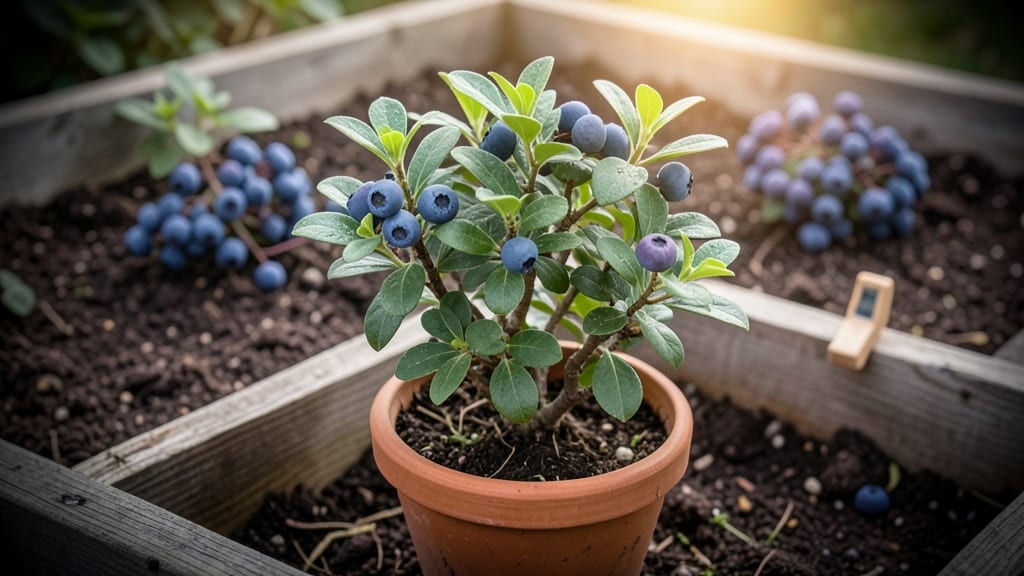
If you love berries but lack space for sprawling bushes, dwarf blueberry varieties are your perfect match. These compact plants fit snugly in small yards, containers, or even raised beds while delivering the same antioxidant-packed fruit as their larger counterparts.
Blueberries thrive in acidic soil (pH 4.5–5.5), so amend your garden beds with peat moss or sulfur if your soil is alkaline. Plant seeds in well-draining soil and keep them moist until germination (typically 2–4 weeks). Once established, these dwarf varieties (like 'Top Hat' or 'Peach Sorbet') mature to just 2–3 feet tall, making them ideal for urban gardeners or health-focused growers.
With proper care, you’ll enjoy year-round benefits: fresh, nutrient-rich fruit, pollinator-friendly blooms, and a low-maintenance shrub that fits any garden style. 🌿
Pomegranate Seeds for Drought-Tolerant Yards
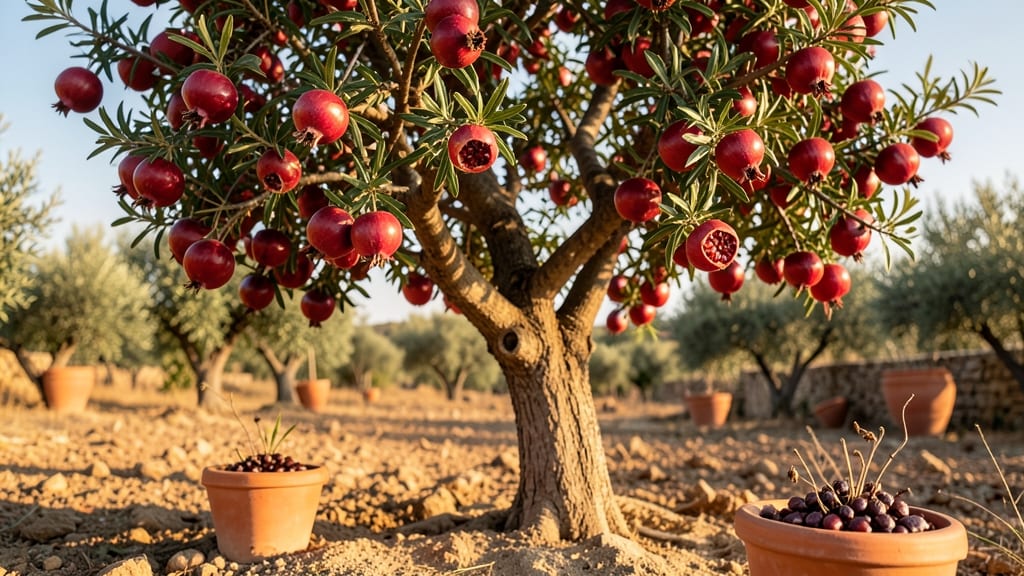
Want a drought-resistant fruit tree that adds Mediterranean flair to your yard? Pomegranate seeds deliver stunning blooms and edible fruit while requiring almost no extra water once established—perfect for hot, dry climates.
Start by planting seeds in well-draining soil and placing them in full sun (6+ hours daily). They germinate quickly (within 2-4 weeks) and grow into small trees that tolerate heat and poor soil. Mature plants need water only once every 2-3 weeks during dry spells, making them ideal for water-conscious gardeners.
This fruit thrives in USDA zones 7-11 and produces vibrant red flowers followed by jewel-like fruit. Gardeners in desert regions or those seeking low-maintenance beauty will love this hardy, exotic option. 🌻
Peach Seeds from Organic Fruit
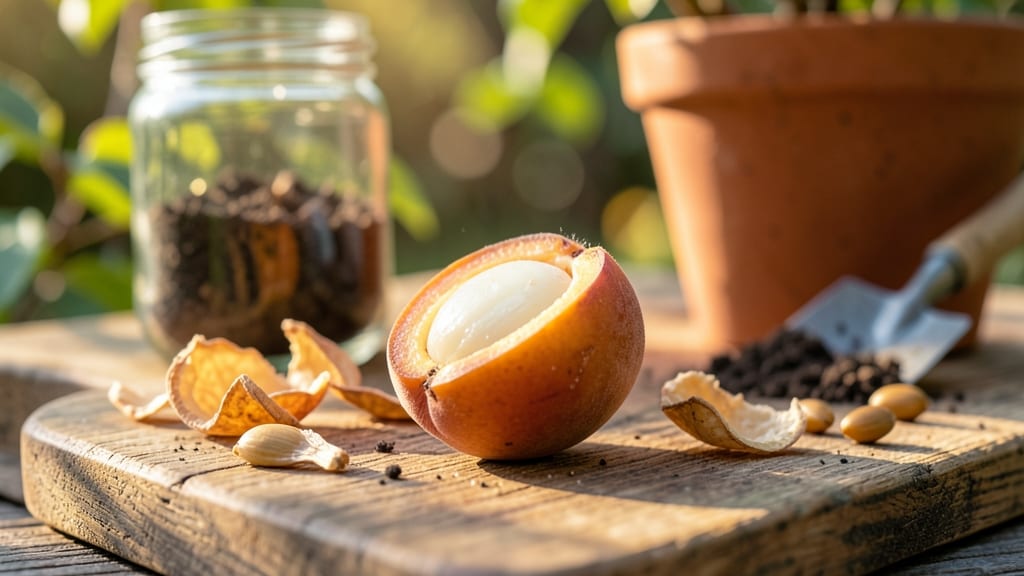
Save those peach pits—they hold the potential for a homegrown fruit tree with a high chance of success. Unlike many stone fruits, peach seeds often germinate reliably when planted properly, making them a rewarding project for patient gardeners in warm climates (USDA zones 6–9).
Start by planting the seed in well-draining soil, about half an inch deep, in spring after the last frost. Keep the soil consistently moist until germination (typically 2–4 weeks), then transplant seedlings to a sunny spot with 6+ hours of sunlight daily. With proper care, you’ll see fruit in 2–3 years—though the first harvest may be small, each subsequent year brings bigger rewards.
This project is perfect for gardeners who love long-term satisfaction and don’t mind waiting for the payoff. Just be prepared to thin young trees to encourage stronger growth. 🌻
Fig Seeds for Fast-Growing Privacy Screens
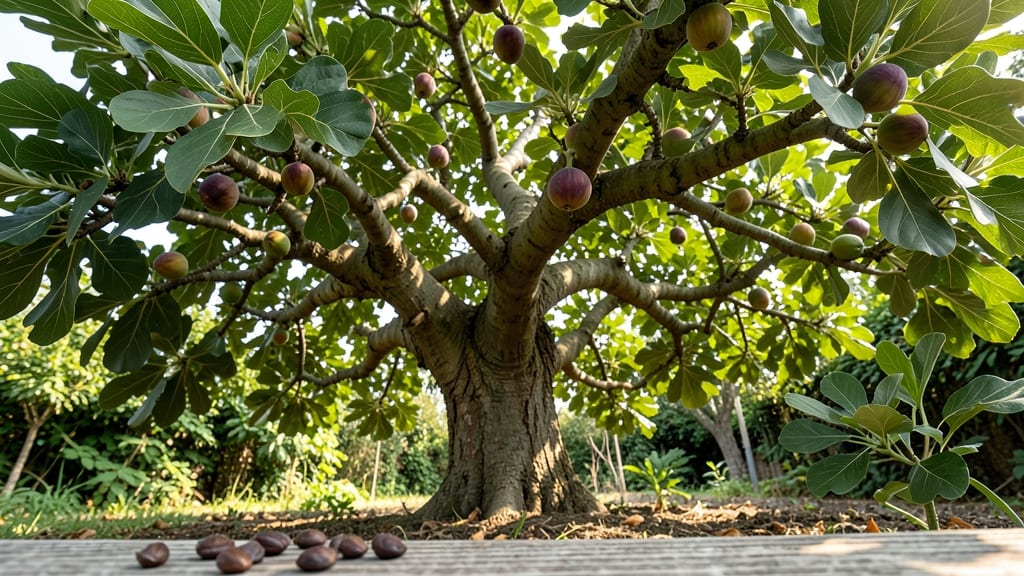
Want a privacy screen that also feeds you? Fig seeds deliver both with their rapid growth and dual-purpose beauty. Unlike traditional hedges, figs produce edible fruit while creating a lush, natural barrier in just a few seasons.
Figs thrive in full sun to partial shade and tolerate a wide range of soils, making them ideal for urban yards or rural properties. Plant seeds in well-draining soil and space them 10–15 feet apart for a living fence effect. Varieties like 'Celeste' or 'Brown Turkey' grow quickly (up to 3 feet per year) and produce fruit within 2–3 years. Prune lightly in late winter to maintain shape and encourage airflow.
Perfect for gardeners who want fast privacy without sacrificing edible rewards, figs also attract pollinators and add Mediterranean charm to any landscape. 🌻
Kiwi Seeds for Cold-Hardy Vines
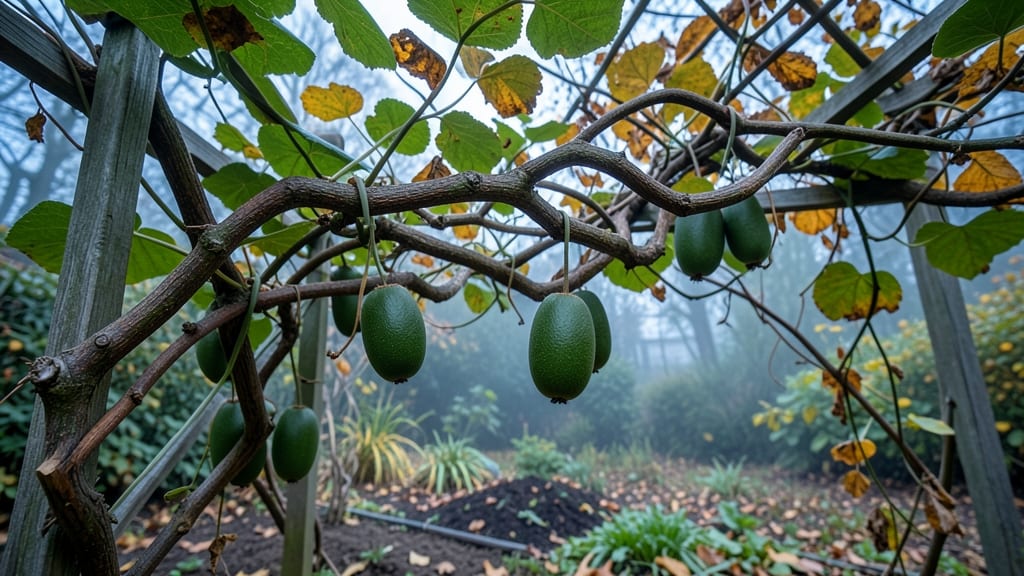
Want to grow tropical-tasting fruit in a temperate climate? Kiwi vines defy expectations by thriving in cooler zones with proper winter protection—unlike most tropical plants. These cold-hardy vines produce sweet, fuzzy-skinned kiwis that burst with bright green flesh and tangy flavor, making them a unique addition to any garden.
Start by planting seeds in well-draining soil with 6–8 hours of sun daily, and provide a sturdy trellis for vertical growth (kiwi vines can reach 20 feet!). In colder regions, protect young plants with row covers or move potted vines indoors during winter. Female and male plants are needed for pollination, so plant at least one of each. With patience (fruit appears in 2–3 years), you’ll enjoy homegrown kiwis that taste far superior to store-bought.
Perfect for adventurous gardeners who love a challenge, kiwi vines add year-round interest with their lush foliage and striking fruit. Plus, their vertical growth makes them ideal for small spaces or urban gardens with limited square footage. 🌻
Apple Seeds from Heirloom Varieties
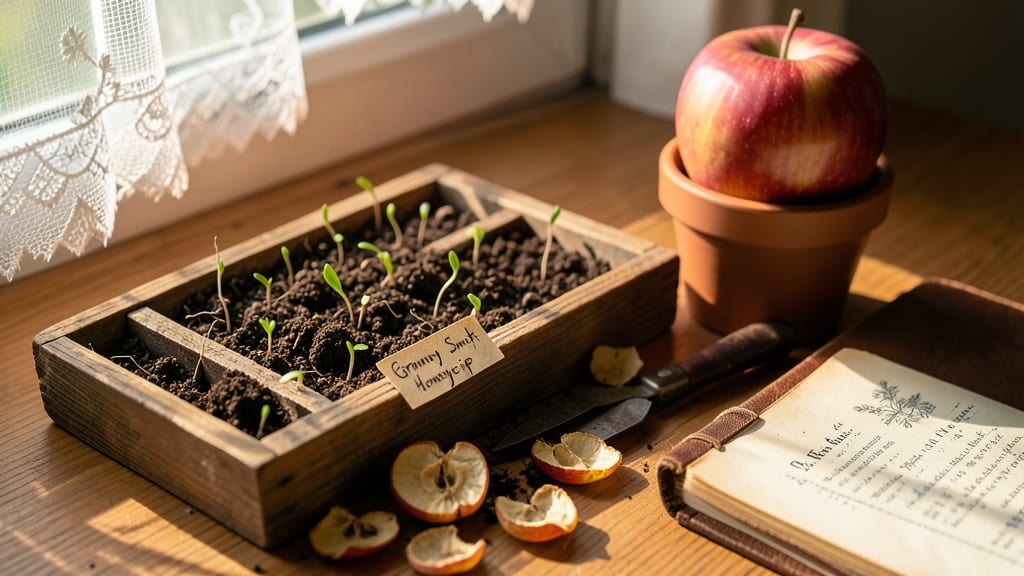
Dreaming of a rustic orchard but short on space for grafted trees? Heirloom apple seeds offer a nostalgic, space-friendly alternative—just be prepared for a 10-year wait for fruit. Unlike store-bought varieties, seeds from heirloom apples like 'Granny Smith' or 'Honeycrisp' may produce trees with unique flavors, though results are unpredictable.
Start seeds indoors in spring, planting them in well-draining soil and keeping them moist. Transplant seedlings outdoors in full sun with at least 20 feet between trees for proper airflow. Prune young trees annually to shape them, and cross-pollinate with another variety for fruit set. The reward? A self-sustaining orchard with apples that reflect your local climate and soil.
Perfect for homesteaders or gardeners with long-term vision, these seeds turn patience into a legacy. Just save space for your future harvest! 🌟
Passion Fruit Seeds for Tropical Gardens
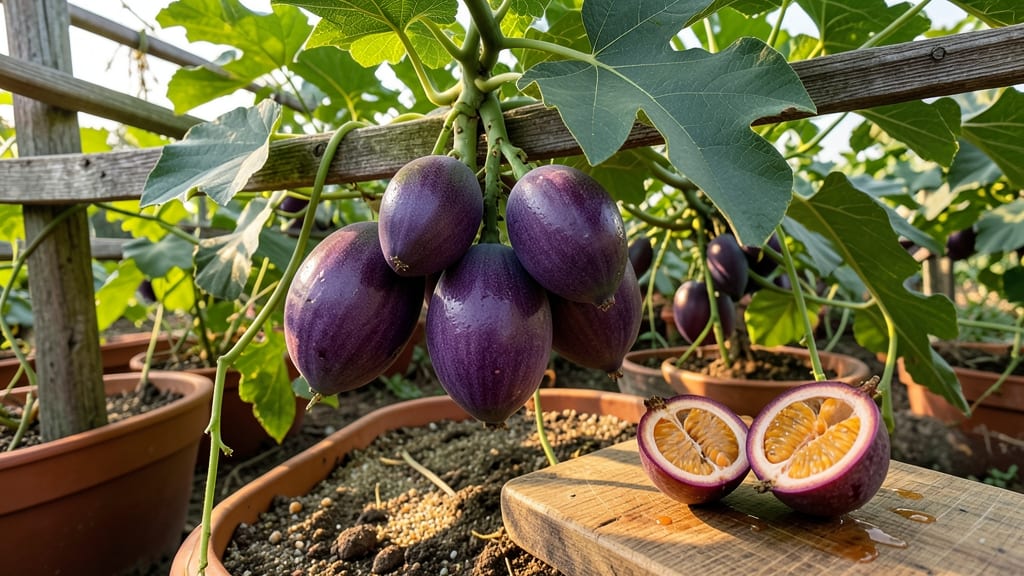
Craving a taste of the tropics without the travel? Passion fruit seeds bring vibrant, exotic flavor to your garden with minimal effort. This fast-growing vine produces stunning purple fruit packed with tangy-sweet pulp—perfect for smoothies, desserts, or fresh snacking.
Plant seeds in well-draining soil with 6–8 hours of sunlight daily, and watch them climb trellises or arbors in just a few months. While they thrive in USDA zones 9–11, gardeners in cooler climates can overwinter vines indoors near a sunny window. Varieties like 'Purple' or 'Golden' offer different flavors, and the fragrant flowers attract pollinators.
Ideal for adventurous gardeners or those with limited space, passion fruit vines deliver year-round greenery and a harvest unlike any other. Just save seeds from store-bought fruit to start your own! ✨
Citrus Seeds for Indoor Container Growing

Small apartments don’t have to mean small dreams—citrus seeds can bring sunshine and zesty rewards indoors year-round. Dwarf varieties like calamondin (tiny oranges) or kumquat (sweet, edible skins) thrive in containers, offering fragrant blooms and miniature fruit without taking over your space.
Start seeds in well-draining potting mix, keeping soil moist and warm (70–80°F) for germination (2–4 weeks). Once sprouted, place near a south-facing window or under grow lights for 6–8 hours daily. Prune regularly to maintain shape, and fertilize lightly every 2 months with citrus-specific nutrients. These plants tolerate indoor humidity but may need occasional misting in dry climates.
Perfect for renters, office workers, or anyone craving fresh air and flavor, these citrus trees reward patience with year-round greenery and the occasional sweet surprise. 💚