
Trees
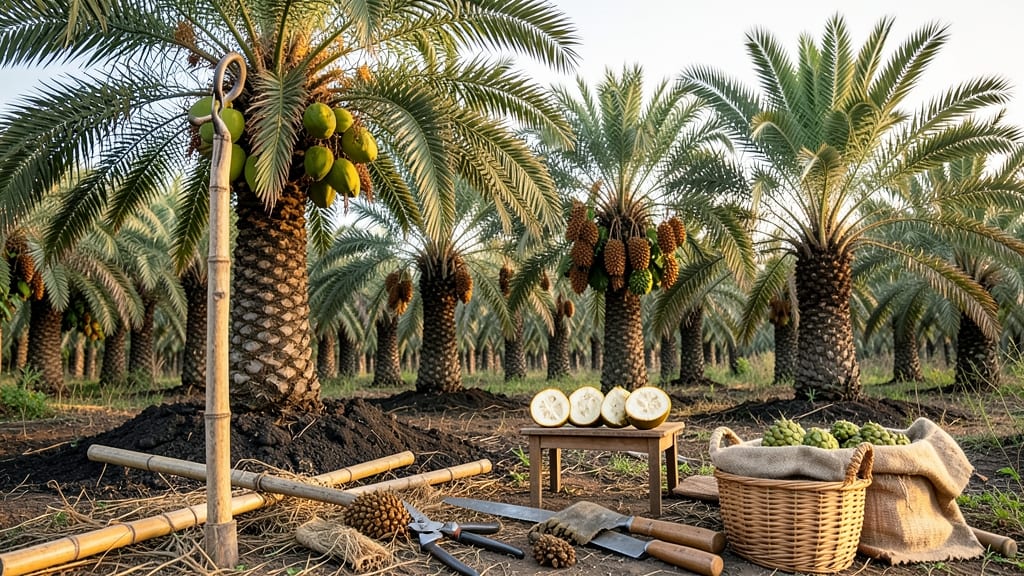
Some edible fruits from palm trees include dates, coconut, acai berries, and heart of palm, but many species contain toxins or sharp fibers. Always confirm the variety before eating, as improper handling can cause digestive issues or allergic reactions. Processing methods differ significantly by fruit type.
Palm trees produce an incredible variety of fruits, but only a few are safe to eat without proper preparation. 🌿 Dates, for example, are nutrient-dense powerhouses packed with fiber and natural sugars, while coconuts provide healthy fats and hydration.
Acai berries, though smaller, are rich in antioxidants, making them popular in smoothie bowls. The key to safety lies in recognizing physical traits—like thick, fibrous husks in coconuts or soft, pulpy centers in dates—versus warning signs like milky sap or sharp spines that signal toxicity.
Harvesting these fruits requires caution, especially when dealing with species like the sapodilla or jackfruit, which can cause skin irritation or stomach upset if consumed raw.
I always recommend wearing gloves when handling unfamiliar palm fruits and consulting a local botanist or agricultural extension service if you're unsure about a specific variety. The preparation process also varies: coconuts need deshelling and grating, while acai berries are typically fermented or blended into pastes.
💡 In This Article
- Identifying Safe Palm Tree Fruits: Toxicity and Nutritional Facts
- Harvesting and Preparing Edible Palm Tree Fruits at Home
Identifying safe palm tree fruits: toxicity and nutritional facts
Palm tree fruits vary dramatically in safety and nutritional value, with some containing compounds that can cause severe reactions.
The key difference lies in their chemical composition: edible varieties like dates and coconuts contain simple sugars and healthy fats, while toxic species often produce hydrocyanic acid (like in some sapodilla relatives) or saponins (bitter compounds in unripe fruits).
For example, a single bite of raw jackfruit seeds can trigger nausea, while properly dried dates provide 6-8g of fiber per 100g—nearly 25% of your daily needs.
Physical traits offer crucial clues: safe fruits typically have thick, fibrous husks (like coconuts) or soft, pulpy centers (dates), while toxic varieties often exude milky sap or contain sharp, needle-like fibers.
The acai palm produces small, dark berries that must be fermented to remove potential irritants, whereas heart of palm comes from the inner core of young palm trees, which is naturally free of toxins when harvested correctly.
Always check for smooth, unbroken skin—any cracks or discoloration may indicate spoilage or contamination.
Nutritional benefits vary widely too. Coconuts provide medium-chain triglycerides (MCTs) that support brain function, while acai berries deliver 10x the antioxidants of blueberries per gram. Dates offer concentrated energy with 20% of your daily potassium in just two pieces.
However, improper preparation can negate these benefits: underripe fruits may contain tannins that cause digestive upset, while overripe ones ferment and develop harmful bacteria.
The palm oil industry also highlights this contrast—red palm oil is nutrient-rich, but unrefined varieties can contain caroten at levels that cause skin discoloration if consumed excessively.
One critical caution involves the sap of many palm trees, which often contains resins that harden into latex-like substances. Some species, like the manila palm, produce sap that can cause skin irritation or even blindness if it contacts the eyes.
Always wear gloves when handling unfamiliar palm fruits, and avoid species with reddish-brown sap—a common indicator of toxicity.
Even edible fruits require proper processing: coconut meat must be scraped from the hard shell, while acai berries need fermenting to break down their tough outer layers and release their vibrant purple pulp.
For those interested in foraging, consider these visual safety markers:
- Edible: Thick, fibrous husks (coconut), sweet aroma (dates), or soft, fleshy centers (heart of palm)
- Toxic: Milky sap, sharp fibers, or bitter taste (test a tiny piece first)
- Neutral: Dry, papery husks (often inedible but harmless)
When in doubt, consult a local botanist or agricultural expert—many tropical regions have community knowledge about safe harvesting seasons.
For instance, acai berries are only safe to eat after the first frost in their native Amazon region, which triggers natural fermentation. 🌟 This seasonal timing is why many palm fruits have specific harvest windows that align with their peak nutritional value.