
Companion Plants
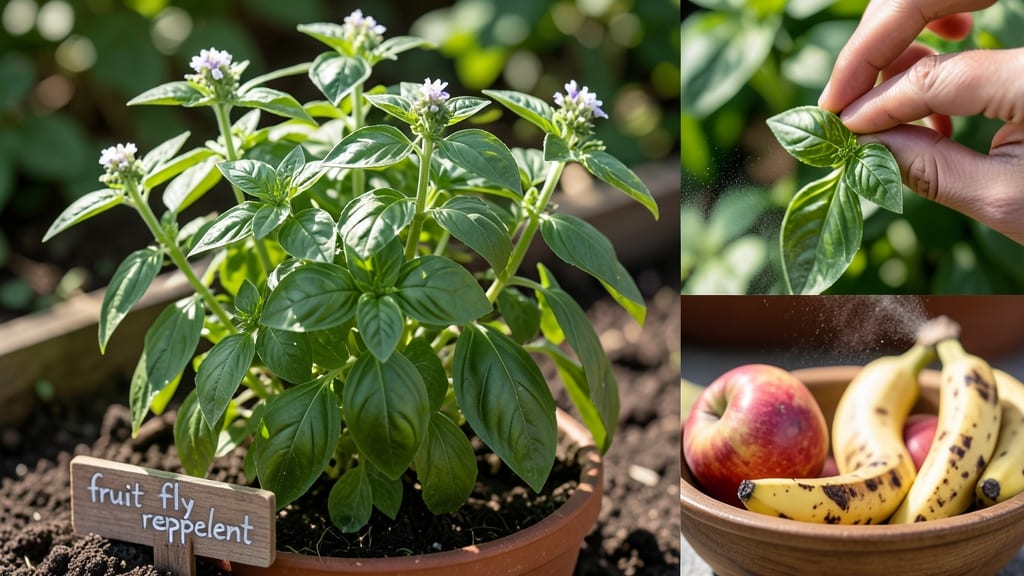
My kitchen countertop battle with fruit flies ended the day I planted basil near the fruit bowl. 🌿 These tiny pests hate the strong scents of fragrant herbs like basil, mint, and lavender—nature’s built-in repellent that works better than sprays and doesn’t harm your family or pets.
The trick is placement: grow these plants near problem areas like fruit bowls, compost bins, or garden beds where flies congregate. Basil thrives in pots on windowsills, while mint spreads aggressively (best in containers), and lavender adds beauty while keeping flies away.
A few plants create a scent barrier that flies avoid.
You’ll notice fewer flies within days as the plants establish their signature aromas. The bonus? Fresh herbs for cooking, and a garden that stays fly-free without toxic chemicals. It’s the kind of solution that works while making your space smell better.
Works in containers, gardens, or even indoors—just keep them healthy and well-placed. Here’s how to maximize their pest-fighting power without the hassle.
📚 In This Guide
- What you need
- Instructions
- Tips and common mistakes
- Wrapping up and next steps
What you need
- ● Fruit fly-repelling plants (3–5 per location): Basil (Ocimum basilicum) – 1–2 medium pots (6+ inches wide)
- ● Lavender (Lavandula) – 1–2 plants (mature size: 12–24 inches tall)
- ● Mint (Mentha) – 1–2 pots (8+ inches wide; note: invasive—plant in containers)
- ● Rosemary (Rosmarinus officinalis) – 1–2 plants (12–18 inches tall)
- ● Lemongrass (Cymbopogon citratus) – 1–2 pots (6+ inches wide)
- ● Potting soil: 1–2 bags (1–2 cubic feet) of well-draining, organic potting mix
- ● Containers: 3–5 pots (6–12 inches wide) with drainage holes (or repurpose old containers with holes drilled in)
- ● Watering can or spray bottle: 1 (with a gentle spray nozzle for seedlings)
- ○ Gloves (optional): 1 pair (to protect hands from mint or rosemary prickliness)
- ● Pruning shears: 1 pair (for trimming overgrown plants)
- ● Sunny spot: 4+ hours of direct sunlight daily (or a grow light for indoor setups)
- ● Patience: 2–4 weeks for plants to establish strong scents (fruit flies hate fresh, fragrant foliage!)
- ● Citronella (Cymbopogon nardus) – 1 plant (for extra mosquito/fruit fly deterrence)
- ● Essential oil diffuser – 1 (to amplify scents in high-risk areas like kitchens)
- ● Herb spiral or vertical garden – 1 (to maximize space and aesthetics)
Step-by-Step guide to planting fruit fly repellent herbs
Here's how to create a natural fruit fly barrier using fragrant plants that work better than sprays.
🌱 Step 1: Select and Plant Your Repellent Plants
Choose 4 plants from these proven fruit fly deterrents: basil, mint, lavender, or rosemary. I like to plant them in 6-inch pots near problem areas—kitchen windows or fruit bowls. Use well-draining potting mix to prevent soggy roots, which attract pests instead of repelling them.
Plant each herb 1 inch deep and 3 inches apart in their pots. Water gently until the soil is evenly moist but not saturated. The key is keeping them healthy—the stronger the scent, the better they repel flies. Place pots in bright, indirect sunlight (6+ hours daily) to maximize fragrance production.
☀️ Step 2: Position Plants Strategically for Maximum Effect
Place your repellent plants within 3 feet of fruit bowls, trash cans, or compost bins—where fruit flies congregate. I keep mine on a sunny windowsill or under a grow light. The stronger the plant's scent, the wider the repellent zone. Lavender and rosemary work best near open windows, while basil thrives on kitchen counters.
Rotate pots quarter-turn weekly so all sides get equal light. You'll notice leaves grow fuller and scent intensifies—this means your natural repellent is working. If flies linger, move plants closer or add a second pot of the same variety.
💧 Step 3: Maintain Plants for Continuous Pest Control
Water when the top inch of soil feels dry—overwatering dilutes the scent and weakens the plant's natural defenses. I use a spray bottle for mint and basil to avoid disturbing roots, while lavender and rosemary tolerate deeper watering. Fertilize lightly every 4-6 weeks with a balanced organic fertilizer to keep plants vigorous.
Trim yellowing leaves immediately—they attract flies instead of repelling them. Prune leggy growth to encourage bushier plants with stronger fragrance. The more you maintain these plants, the more effective they become as a long-term fruit fly barrier.
✂️ Step 4: Enhance Repellent Power with Companion Techniques
Crush a few leaves occasionally to release more scent—this creates a stronger repellent field. I like to bruise basil leaves near fruit bowls or sprinkle dried lavender near trash cans. For extra protection, place a small dish of apple cider vinegar nearby (flies are drawn to it but avoid the herbs).
Replace pots every 1-2 years—old, weak plants lose their scent effectiveness. If flies persist, rotate your herb varieties seasonally (e.g., switch from basil in summer to rosemary in winter). The combination of fresh plants and strategic placement creates a near-perfect natural defense system.
Tips & tricks for perfect fruit fly repellent plants
These simple strategies will help your fragrant herbs become an even more effective fruit fly barrier.
Selection Tip: For maximum impact, choose plants with the strongest scents—lavender and rosemary are particularly potent against fruit flies. I've found that planting all four herbs (basil, mint, lavender, and rosemary) creates a more comprehensive repellent system. The combination of their scents confuses flies and makes them less likely to linger near your food.
Lighting Strategy: The 6+ hours of bright, indirect sunlight mentioned in Step 1 is crucial for scent production. If you're using a grow light, position it 6-12 inches above the plants and keep it on for 12-14 hours daily. I've noticed that plants under grow lights develop stronger fragrance faster than those relying solely on natural light.
Companion Technique: The apple cider vinegar trick in Step 4 works brilliantly as a fly magnet. Place a small dish of vinegar near your herb pots—flies will be drawn to it but avoid the herbs. For even better results, add a drop of dish soap to the vinegar to trap flies that land on the surface.
Seasonal Rotation: As mentioned in Step 4, rotating herb varieties seasonally keeps your repellent system fresh. In summer, I use basil and mint, while winter brings out rosemary and lavender. This rotation prevents scent fatigue and maintains the plants' effectiveness throughout the year.
Pro Tips for Fruit Fly Repellent Plants
- These simple strategies will help your fragrant herbs become an even more effective fruit fly barrier.
- Selection Tip: For maximum impact, choose plants with the strongest scents—lavender and rosemary are particularly potent against fruit flies.
- Lighting Strategy: The 6+ hours of bright, indirect sunlight mentioned in Step 1 is crucial for scent production.
Frequently asked questions
Which plants work fastest to repel fruit flies?
Fast-acting fruit fly repellents include basil, mint, and lavender. Plant them near fruit bowls or entry points—their strong scents disrupt flies’ ability to locate food. For immediate results, crush a few leaves to release more aroma. Citrus peels (like lemon or orange) also work quickly as a DIY trap or barrier.
How long does it take for these plants to start working?
Most repellent plants begin deterring fruit flies within 24–48 hours of planting or placing near problem areas. However, full effectiveness (especially outdoors) may take 1–2 weeks as the scent strengthens. For faster results, combine plants with apple cider vinegar traps or essential oil sprays.
Can I use these plants indoors if I have limited space?
Compact options like basil, thyme, or dwarf lavender thrive in pots on windowsills, countertops, or near trash bins. Avoid overcrowding—flies target cluttered areas, so keep surfaces clean. Pro tip: Place a small fan nearby to disperse the scent more effectively.
What if fruit flies keep coming back despite using repellent plants?
Persistent flies often mean hidden breeding spots (like overripe fruit or damp drains). Troubleshoot:
- Inspect trash cans, compost bins, and pet food bowls weekly.
- Freeze ripe fruit or store it in sealed containers.
- Add catnip or rosemary to your plant lineup—their scents are even more potent.
Are there any repellent plants I should avoid?
Stick to safe, non-toxic options like basil, mint, or citrus. Avoid poisonous plants (e.g., oleander or foxglove), especially if you have pets or kids. Even "safe" plants can cause mild skin irritation in sensitive individuals—wear gloves when handling citrus peels or strong herbs like rosemary.
Wrapping up and next steps
Discovering the power of fruit fly repellent plants is a game-changer for any garden or kitchen! 🌿 From fragrant herbs like basil and mint to citrusy options like lemongrass, nature provides simple, chemical-free solutions to keep pesky fruit flies at bay.
These plants aren’t just effective—they’re also easy to grow and add beauty (and flavor!) to your space.
Ready to take action? Start by planting a few of these repellent plants near your problem areas—whether that’s your kitchen windowsill, outdoor patio, or garden beds. You’ve got this! 🌱 And if you’re feeling adventurous, experiment with companion planting to create a thriving, pest-free ecosystem. Happy gardening!