
Shrubs
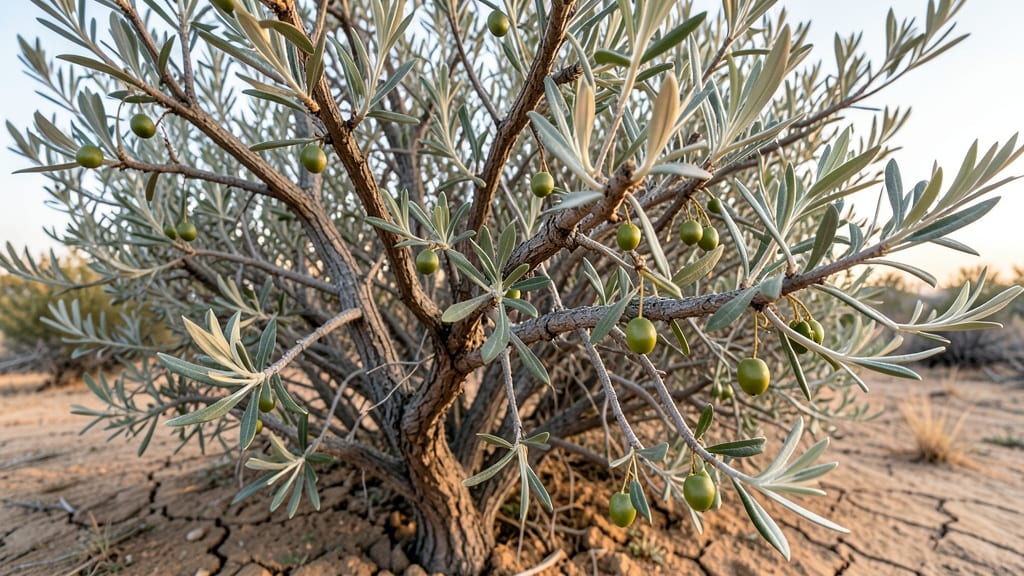
Cold climates don’t have to mean giving up fresh fruit from your garden. These 10 hardy, low-maintenance shrubs thrive in chilly regions while delivering delicious berries, fruits, and edible flowers with minimal effort.
Arctic Kiwi Vine (Actinidia arguta)
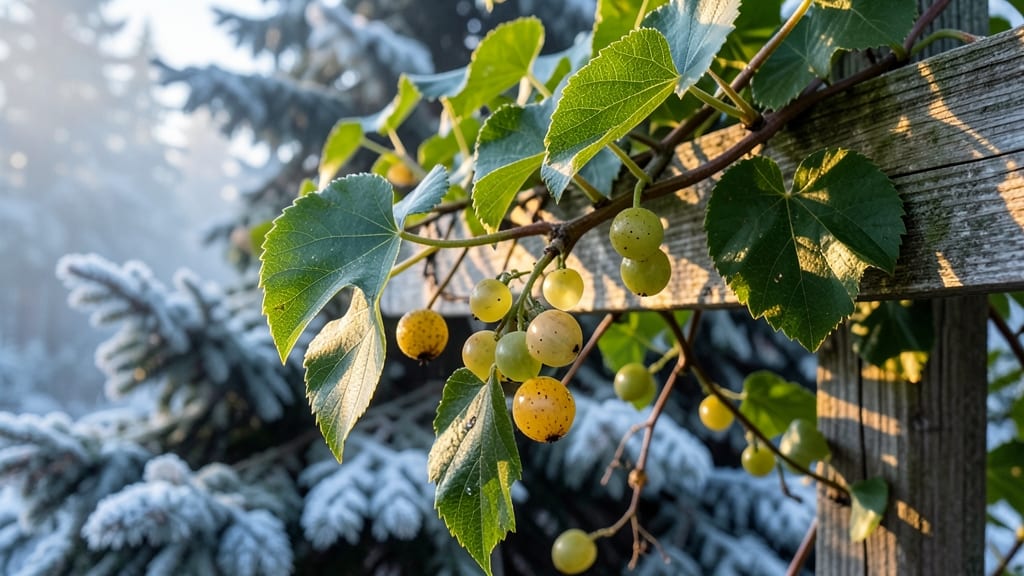
Tired of tropical kiwis that need greenhouse warmth? The Arctic kiwi vine (Actinidia arguta) delivers sweet, grape-sized berries that thrive in USDA zones 3-8—where traditional kiwis would freeze. This hardy vine produces fruit with far less fuss than its tropical cousin, making it a game-changer for cold-climate gardeners.
Unlike its high-maintenance relative, the Arctic kiwi vine requires minimal pruning and grows vigorously on trellises or fences. Plant in full sun to partial shade and well-drained soil, then let it climb. Berries ripen in late summer to fall, offering a sweet, tangy flavor perfect for snacking or jams. Both male and female plants are needed for fruit, but one male can pollinate up to six females.
This vine is ideal for gardeners in northern states who want fresh fruit without the hassle. Its cold hardiness and vigorous growth make it a standout for both edible gardens and ornamental landscapes. 🌱
Wintergreen Currant (Ribes odoratum)
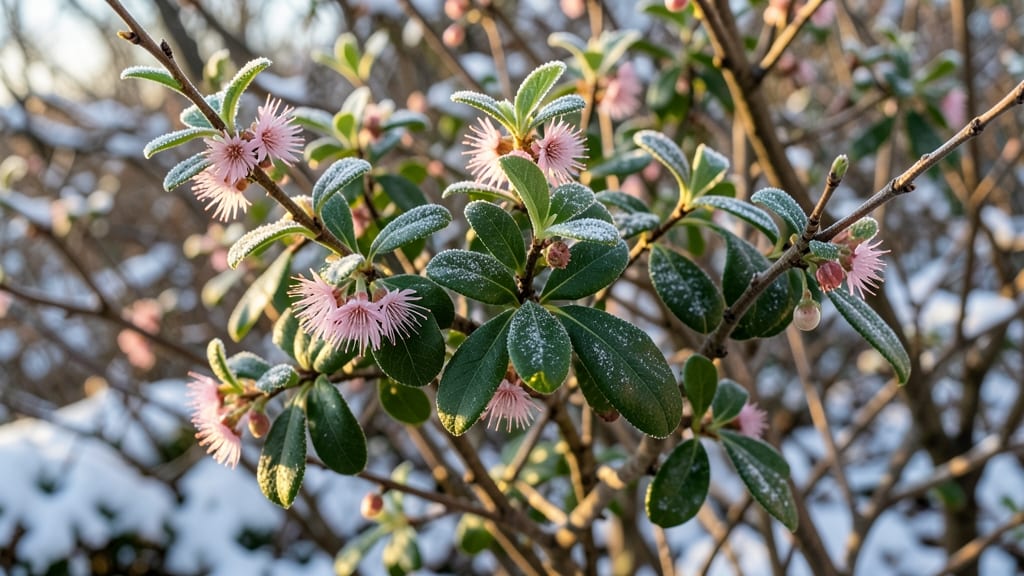
Tired of shrubs that struggle through winter? Wintergreen currant (Ribes odoratum) thrives in zones 3-7 with almost no winter care—its evergreen leaves stay lush even under snow, while its fragrant pink flowers bloom in early spring.
This native North American shrub offers edible berries and flowers that attract bees, butterflies, and birds, making it a pollinator magnet. Plant it in full sun to partial shade with well-drained soil, and watch it spread naturally—it’s perfect for wild gardens or woodland edges. The tart berries are great for jams or fresh eating, and the scent alone makes it a standout.
Ideal for gardeners who want low-maintenance beauty with wildlife benefits, wintergreen currant is the unsung hero of cold-climate shrubs. 🌿
Cranberry Cotoneaster (Cotoneaster apiculatus)
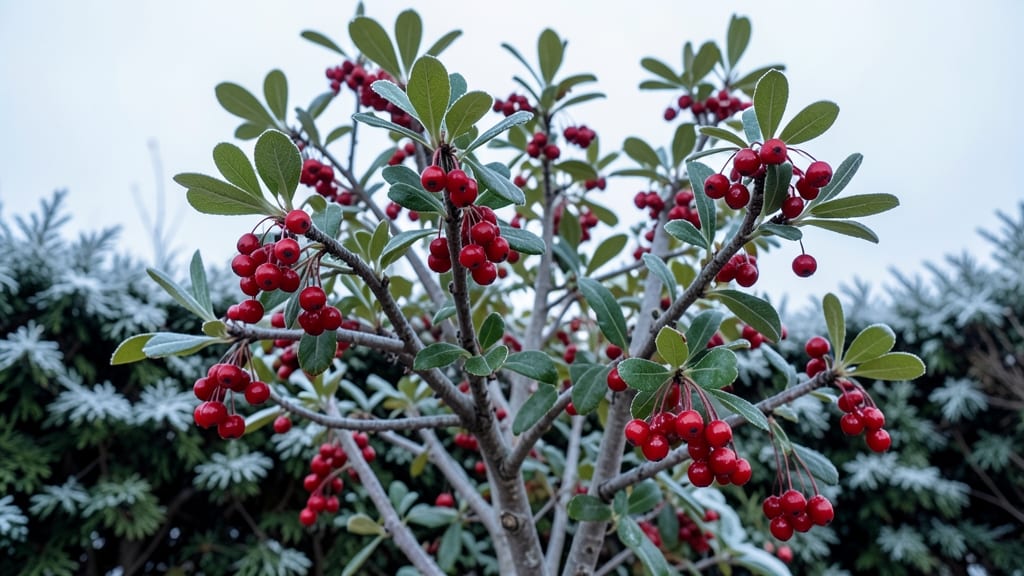
If you love winter interest but hate dealing with pests or high-maintenance plants, cranberry cotoneaster is your perfect match. This drought-resistant shrub produces clusters of bright red berries that stay vibrant through frost, offering year-round color without the fuss.
Thriving in zones 3-7, it’s ideal for hedges, slopes, or erosion control—no extra watering or fertilizing required. The berries are non-edible but attract birds, and its glossy leaves turn golden in fall. Unlike many shrubs, it’s completely pest-free, making it a low-stress choice for busy gardeners.
Perfect for urban yards, rural landscapes, or even containers, this shrub delivers beauty with zero upkeep. 🌟
Saskatoon Berry (Amelanchier alnifolia)
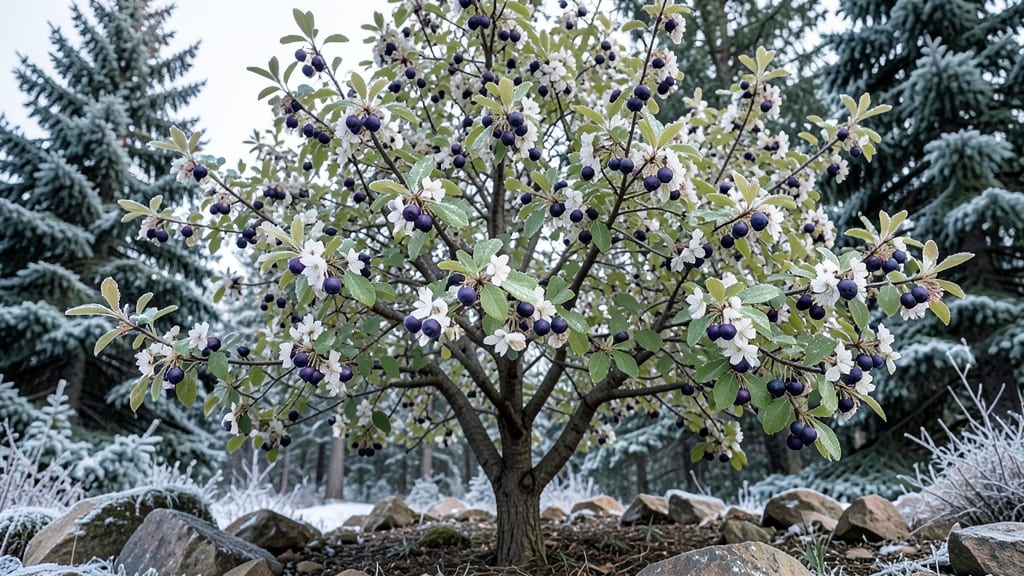
Looking for a native North American shrub that delivers both beauty and bounty? The saskatoon berry (Amelanchier alnifolia) is your answer—it thrives in zones 2-6, where many fruit-bearing plants struggle, and rewards you with almond-flavored berries that taste like a cross between blueberries and apricots.
This versatile shrub bursts into showy white blooms in early spring, providing critical food for pollinators like bees and butterflies before producing edible berries in late summer. Plant it in full sun to partial shade with well-drained soil, and expect minimal care—just occasional pruning to maintain shape and encourage fruit production. The berries ripen in clusters, making them perfect for fresh eating, baking, or fermenting into wine.
Perfect for urban gardeners, wildlife enthusiasts, and cold-climate growers, saskatoon berries offer year-round interest with their striking fall foliage and persistent berries that birds adore. 🌟
Honeyberry (Lonicera caerulea)
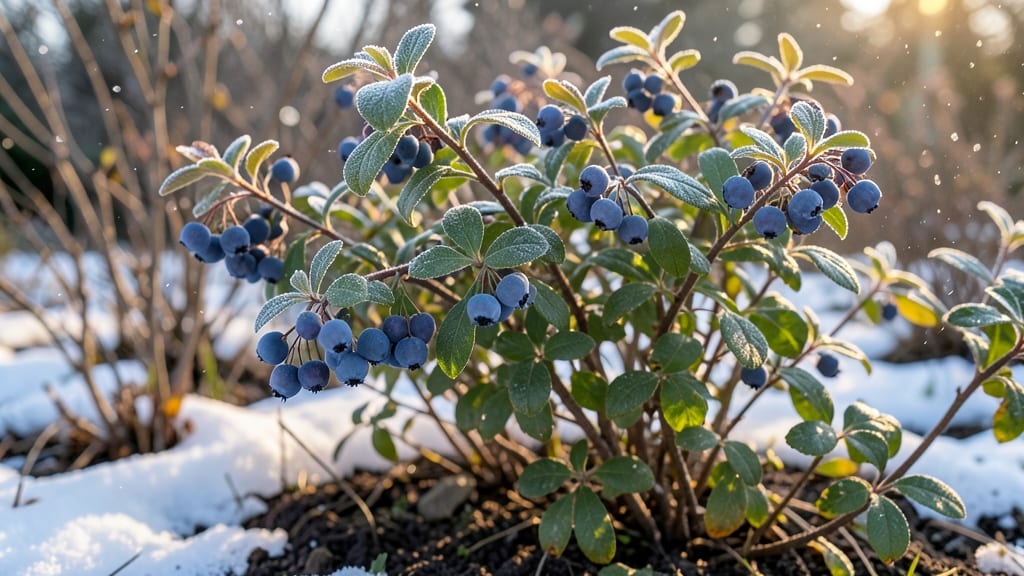
If you're craving fresh fruit before summer even arrives, honeyberry (Lonicera caerulea) is your answer. This cold-hardy shrub produces sweet-tart berries as early as late April in zones 2-6, often while snow still lingers in the garden.
Unlike many fruit-bearing shrubs, honeyberry thrives with no summer care—it tolerates frost, drought, and even urban pollution once established. Plant in full sun to part shade, and you'll get berries that ripen over 3-4 weeks, perfect for fresh eating or jams. The shrub itself stays compact (6-10 feet tall) and produces fragrant white flowers in spring.
Gardeners in northern climates love honeyberry because it delivers fruit when little else is ready, and it's deer-resistant. 🌱
Red Osier Dogwood (Cornus sericea)
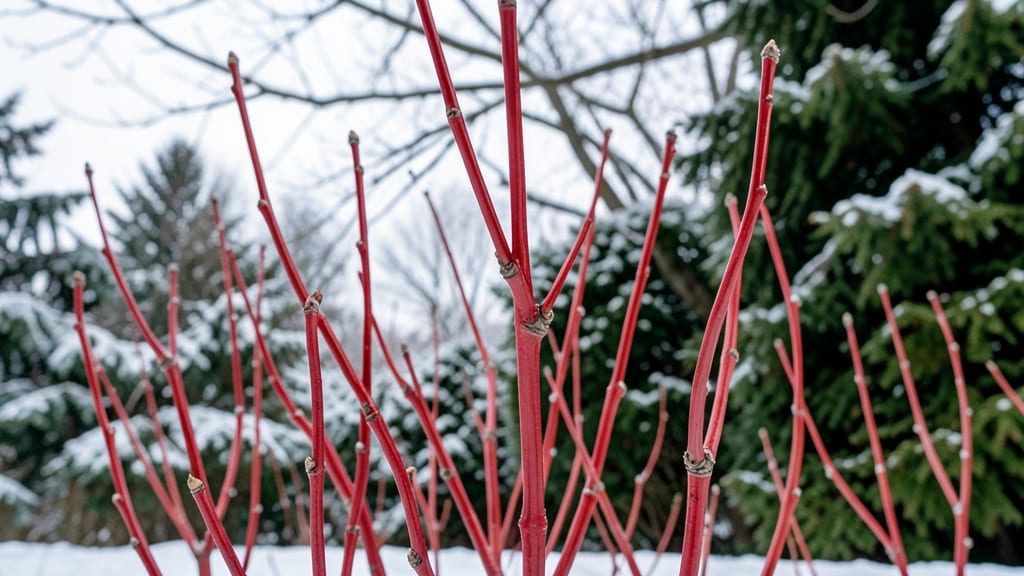
Looking for a shrub that stays stunning even when everything else is dormant? Red Osier Dogwood (Cornus sericea) delivers year-round drama with its vibrant red winter stems that contrast beautifully against snow or evergreens.
This hardy shrub thrives in zones 2-8, handling both wet and dry conditions with ease. Its small white berries are edible (though tart) and attract birds, while its foliage turns brilliant yellow in fall. The best part? It requires only occasional pruning—just remove dead stems in late winter to encourage fresh growth.
Perfect for wildlife gardens, urban landscapes, or as a striking focal point, this shrub brings both beauty and function with minimal effort. 🌟
Elderberry (Sambucus canadensis)
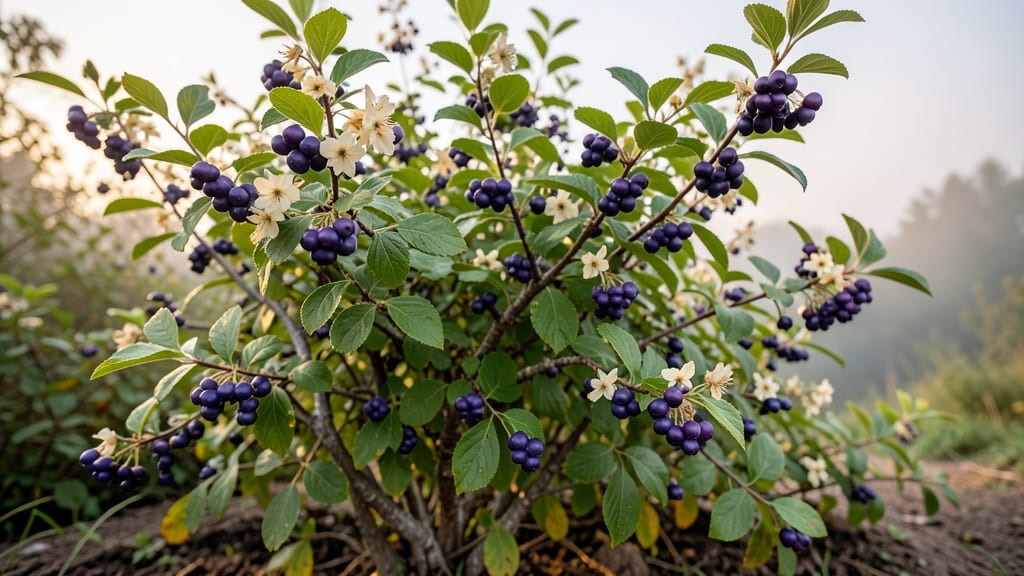
If you want a multi-purpose shrub that thrives in nearly every climate zone, elderberry (Sambucus canadensis) is your answer. This hardy plant produces immune-boosting berries and fragrant flowers that attract pollinators, all while requiring minimal care.
Elderberry grows in zones 3-9, making it one of the most adaptable fruit-bearing shrubs. Its fragrant white blooms in late spring give way to clusters of dark purple berries by summer, perfect for jams, syrups, or medicinal teas. Unlike many fruit shrubs, elderberry faces few pest issues, reducing the need for sprays or interventions.
This shrub is ideal for gardeners who want year-round benefits—from early spring blooms to late-season berries—while supporting both wildlife and human health. 🌿
Juneberry (Amelanchier laevis)
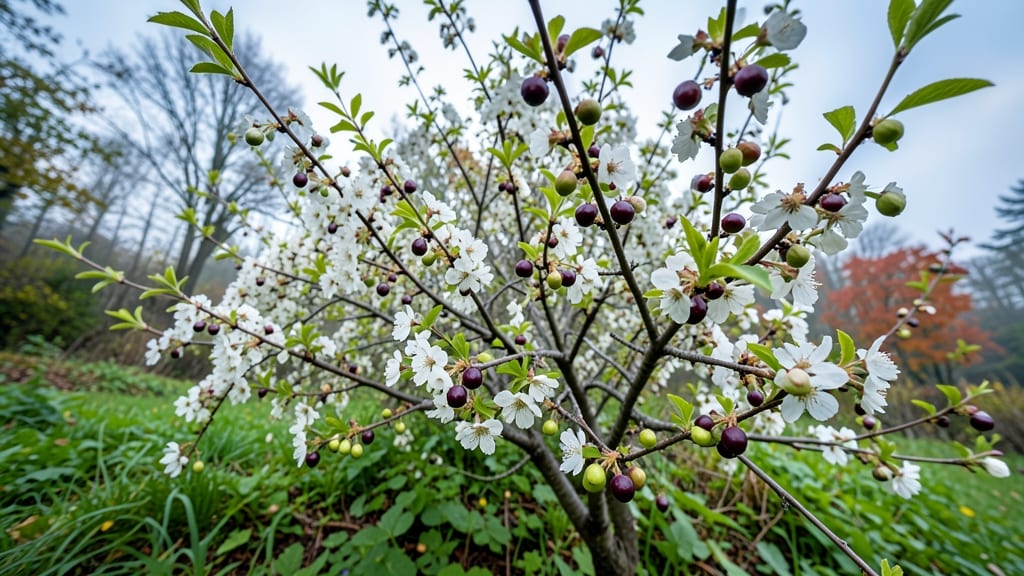
Looking for a disease-resistant shrub that rewards you with almond-flavored berries and stunning seasonal displays? Juneberry (Amelanchier laevis) fits the bill perfectly, thriving in zones 3-7 with almost no fuss. Unlike its cousin, Saskatoon berry, Juneberry offers a longer harvest window and vibrant fall foliage that turns fiery orange-red.
Plant it in full sun to partial shade with well-drained soil, and enjoy white spring blossoms that attract pollinators, followed by sweet-tart berries ripe in early summer. The real magic happens in autumn, when the foliage transforms into a spectacular fall color show that lasts weeks. Prune lightly after harvest to maintain shape and encourage next year’s fruit.
This versatile shrub works as a privacy screen, hedgerow, or standalone specimen, making it ideal for urban gardens, rural landscapes, or even large containers. Its low-maintenance nature and four-season interest make it a standout for gardeners who want beauty and bounty without the hassle. 🌻
Bog Bilberry (Vaccinium uliginosum)
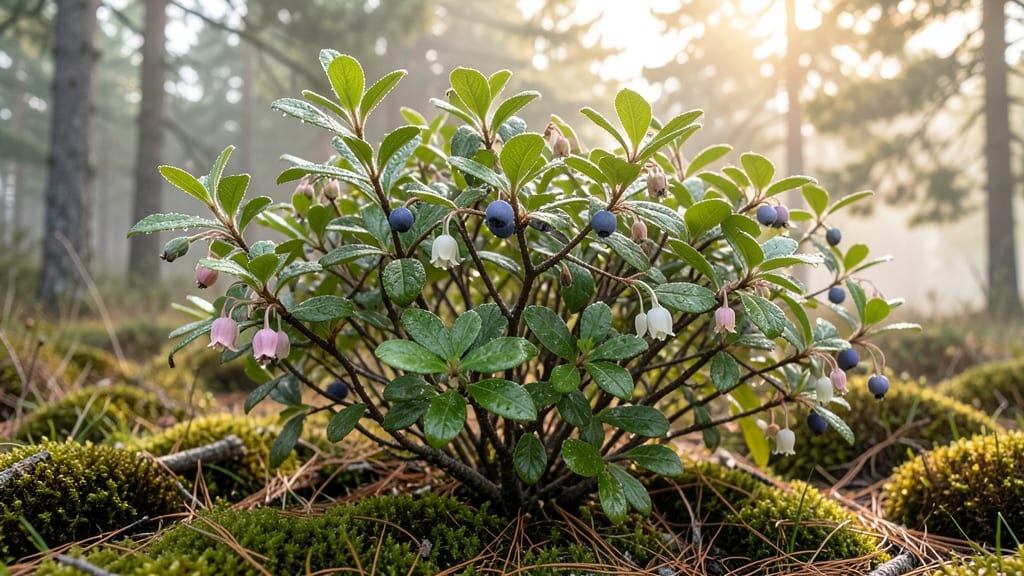
If you’ve ever dreamed of growing blueberries but live in zone 2 where traditional varieties struggle, bog bilberry is your answer. This hardy relative of blueberries thrives in the coldest climates, producing tart-sweet berries that ripen in late summer—no fuss, no fuss.
Unlike its high-maintenance cousins, bog bilberry loves acidic, wet soils and even performs well in boggy areas where other plants fail. Plant it in full sun to part shade, and once established, it requires almost no watering—just occasional mulching to retain moisture. Birds adore the berries, but you’ll still get a harvest if you pick early.
Perfect for beginner gardeners or those with challenging sites, this shrub offers both beauty and bounty with zero drama. 🌱
Russian Olive (Elaeagnus angustifolia)

If you're looking for a drought-tolerant shrub that thrives in tough conditions while still delivering edible rewards, Russian olive (Elaeagnus angustifolia) is your answer. This hardy plant flourishes in zones 3-9, making it perfect for both cold and arid climates where water is scarce.
Beyond its striking silver berries—which ripen from green to silvery-blue and are edible (though tart)—this shrub works wonders for your soil. It fixes nitrogen, improving soil health naturally while requiring minimal watering. Plant it in full sun to part shade, and watch it create a lush, low-maintenance hedge or windbreak that supports wildlife.
Perfect for urban gardeners with limited water or rural landscapes needing erosion control, Russian olive turns neglected spaces into thriving ecosystems with almost no effort. 🌟