
Pruning
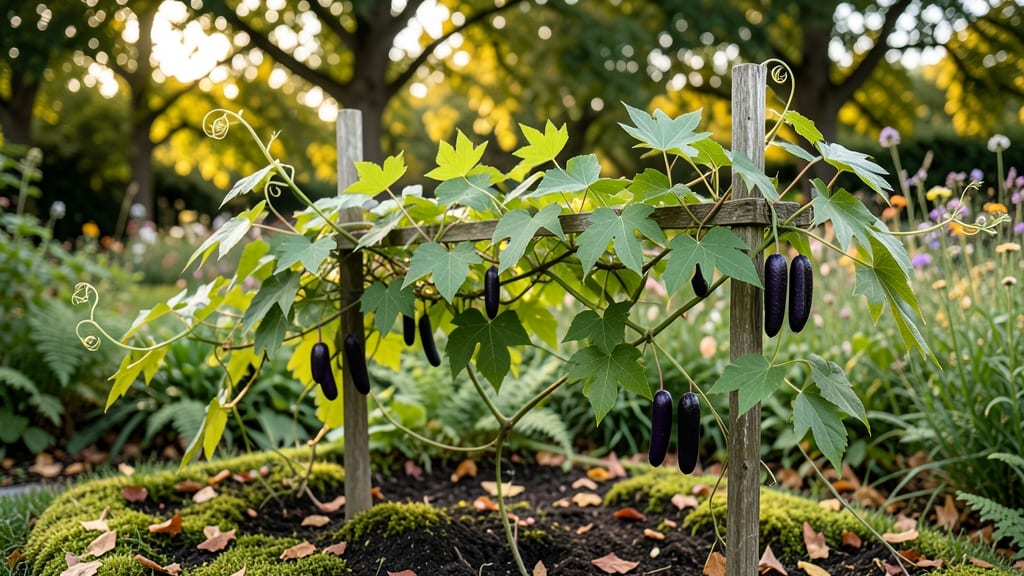
Growing five-leaf akebia fruit means year-round greenery and unexpected edible treasures. 🌱 I've watched this hardy vine transform bare walls into lush, fragrant living tapestries while producing grapes that taste like a mix of banana and pineapple—nature's candy with a twist.
The secret to success lies in its adaptability: full sun to partial shade, drought tolerance once established, and a growth habit that thrives on neglect.
My vines climb 20-foot trellises by midsummer, smothering fences in glossy leaves while producing clusters of purple-black fruit that ripen in late summer—long after most gardens have gone quiet. You'll harvest sweet, jelly-like grapes that burst with flavor when fully ripe, perfect for jams, wines, or fresh snacking.
The vine itself stays evergreen in mild winters, providing four-season interest with minimal effort. Just be prepared for its aggressive growth—this isn't a plant you gently guide. Common challenges? Mostly just providing sturdy support and occasional pruning to control its spread.
The real reward comes when you first taste those grapes—like finding edible jewels growing wild in your garden. Here's how to make it happen!
📚 In This Guide
- What you need
- Instructions
- Tips and common mistakes
- Wrapping up and next steps
What you need
- ● Five-leaf akebia plant (Akebia quinata): 1–2 healthy nursery-grown plants (bare-root or potted) or cuttings from a mature vine.
- ● Pro tip: 🌱 Choose organic, disease-free stock for best results!
- ● Well-draining soil mix: 50% garden soil, 30% compost, 20% perlite or coarse sand (for aeration).
- ○ Optional: Add a handful of worm castings for nutrient boost.
- ● Container or garden space: For containers: 15–20 gallon pots with drainage holes (if growing indoors).
- ● For gardens: Full sun to partial shade (6+ hours of light daily).
- ● Support structure: Trellis, arbor, or sturdy fence (5–8 ft tall) for climbing.
- ○ Optional: Use twine or soft ties to guide young vines.
- ● Watering can or hose with a gentle spray nozzle.
- ● Pruning shears (sterilized with rubbing alcohol).
- ● Organic fertilizer (balanced 10-10-10 or compost tea).
- ● Gloves (to protect from thorns).
- ● Mulch (straw or wood chips) to retain moisture.
- ● pH test kit (ideal soil pH: 6.0–7.0).
- ● Slow-release fertilizer tablets (for container grows).
- ● Plant ties or Velcro strips (for securing vines to trellises).
- ● Grow lights (if indoor/low-light growing).
Step-by-step instructions for cultivating five-leaf akebia vines
This hardy, fast-growing vine thrives with minimal fuss—here’s how to coax its fragrant blossoms and prized berries into your garden.
🌱 Step 1: Select and Prepare the Planting Site
Five-leaf akebia (Akebia quinata) loves partial shade to full sun but tolerates deeper shade in hot climates. Choose a site with 6+ feet of vertical space—this vine climbs aggressively using tendrils. I dig a hole twice as wide as the root ball and mix in 2-3 inches of compost to improve drainage, since soggy roots invite root rot.
The ideal soil pH is 6.0-7.0, but akebia adapts to most conditions. If your soil is heavy clay, amend with sand or perlite to prevent compaction. Plant in early spring or fall, avoiding extreme heat or frost, which stress the roots. Water deeply before planting to settle the soil and reduce air pockets around roots.
🪴 Step 2: Plant and Train the Vine
Place the vine in the hole so the top of the root ball sits level with the ground—burying too deep suffocates the stem. Backfill with native soil, tamping lightly to eliminate gaps. I install a strong trellis, arbor, or fence immediately, as akebia’s tendrils need something sturdy to latch onto within the first growing season.
Water 1-2 gallons per plant right after planting to encourage root establishment. Mulch with 2-3 inches of organic mulch (like shredded bark) to retain moisture and suppress weeds. Avoid piling mulch against the stem—keep it 2 inches away to prevent rot. The vine’s first year focuses on root growth, so you’ll see minimal aboveground activity.
☀️ Step 3: Provide Seasonal Care for Optimal Growth
Once established, akebia is drought-tolerant but produces better fruit with consistent moisture. Water deeply once a week during dry spells, aiming for 1-2 inches of water per week. You’ll know it’s thirsty when the leaves curl slightly at the edges—a clear signal to water again. Fertilize lightly in early spring with a balanced 10-10-10 fertilizer to encourage blooms.
Prune in late winter or early spring before new growth begins. Remove dead, diseased, or crossing branches to improve airflow, and trim back any leggy growth to encourage bushier vines. Akebia’s berries form on second-year wood, so avoid heavy pruning—focus on shaping rather than reducing size. The vine’s natural vigor means it rarely needs more than light maintenance.
⏰ Step 4: Harvest and Enjoy the Edible Berries
Berries ripen in late summer to early fall, turning from green to deep purple-black when ready. They’re best picked in small clusters to avoid damaging the vine. I harvest on a dry morning, cutting the entire stem with a clean pair of pruners and letting them ripen indoors for a few days—the flavor intensifies slightly after picking.
While the berries are edible raw, their flavor is subtle and slightly tart, best enjoyed in jams, jellies, or desserts. Wear gloves when handling—some people report skin irritation from the fine hairs on the fruit. Store harvested berries in the fridge for up to 1 week or freeze them for longer storage. The vine itself remains evergreen in mild climates, providing year-round interest.
Tips & tricks for cultivating five-leaf akebia vines
Confession: I planted my first akebia vine without a trellis, and it spent its first summer tangling itself into a tangled mess. Here’s what I learned the hard way—and what’ll help you avoid the same mistakes.
Support System: Install your trellis or fence immediately after planting—don’t wait until you see tendrils. Akebia’s growth is explosive, and those tendrils will latch onto anything, including your house siding or neighbor’s fence if given the chance. I use a metal arbor because it’s sturdy enough to handle the vine’s aggressive climbing habit, but wooden trellises work too if you reinforce them annually.
Soil Prep Secret: The 2-3 inches of compost mixed into the planting hole isn’t just about drainage—it’s about creating a nutrient-rich zone right where the roots will spread most aggressively. For heavy clay soils, I add 1 part perlite to 3 parts native soil when backfilling to prevent compaction. This ensures roots get both air and moisture without suffocating.
Watering Wisdom: That 1-2 inch weekly watering guideline is a baseline, not a rule. Check moisture by sticking your finger 2 inches into the soil—if it’s dry, water deeply. The leaf curl signal is your best indicator of thirst, but by then, the vine is already stressed. I set up a drip irrigation line near my akebia to automate this, especially during dry spells.
Pruning Precision: When pruning in late winter, focus on second-year wood—this is where next year’s fruit will develop. Cut back any leggy growth to 12-18 inches from the base to encourage bushier, more productive vines. I mark the cuts with a permanent marker before pruning to avoid over-trimming. Remember, akebia’s vigor means it recovers quickly, so don’t be afraid to shape aggressively.
Pro Tips for Five Leaf Akebia Fruit
- Confession: I planted my first akebia vine without a trellis, and it spent its first summer tangling itself into a tangled mess.
- Support System: Install your trellis or fence immediately after planting—don’t wait until you see tendrils.
- Soil Prep Secret: The 2-3 inches of compost mixed into the planting hole isn’t just about drainage—it’s about creating a nutrient-rich zone right where the roots will spread most aggressively.
Frequently asked questions
Got questions about growing and enjoying five-leaf akebia fruit?
Here are answers to the most common ones—from planting to harvest!
When is the best time to plant five-leaf akebia vines?
The ideal time to plant akebia vines is in early spring (after the last frost) or fall (4-6 weeks before the first frost). This gives roots time to establish before extreme temperatures. If planting in summer, keep soil consistently moist and provide afternoon shade to reduce stress.
How long does it take for akebia vines to produce fruit?
Patience is key! Akebia vines typically take 3–5 years to mature enough for fruiting, depending on climate and care. Young vines focus on root and vine growth first. Prune strategically in early spring to encourage faster fruiting—just avoid cutting back more than 1/3 of the plant per year.
Are there any common pests or diseases I should watch for?
Akebia vines are generally hardy, but keep an eye out for:
- Spider mites (dry conditions) – Spray with water or neem oil.
- Powdery mildew (humid climates) – Improve airflow and use fungicide if needed.
- Japanese beetles – Handpick or use organic sprays.
Can I eat the fruit raw, or does it need to be cooked?
The fruit is best enjoyed cooked—raw, it’s tart and slightly bitter. Try simmering in syrup for jams, candies, or desserts! The flavor mellows into a grape-like sweetness when prepared properly. Always remove seeds (they’re toxic).
How do I protect akebia vines in winter?
Akebia is cold-hardy (USDA Zones 5–9), but young vines benefit from:
- Mulching with 3–4 inches of straw or leaves around the base.
- Wrapping tender stems in burlap or frost cloth in extreme cold.
- Avoid pruning in late fall—wait until early spring.
What’s the best way to prune for maximum fruit?
Prune in early spring before new growth starts:
- Remove dead or crossing branches first.
- Cut back overly long vines to encourage bushier growth.
- Leave 3–5 strong canes for fruiting—these produce the most clusters.
Wrapping up and next steps
Growing five-leaf akebia fruit is a rewarding journey that blends beauty and edibility—perfect for gardeners eager to nurture something unique! 🌿 With the right pruning techniques, soil care, and patience, you’ll soon enjoy vibrant vines and sweet, grape-like treats.
Whether you’re a seasoned gardener or just starting, this resilient plant offers year-round interest and a taste of success.
Ready to take the next step? Start small—plant a vine, experiment with training methods, and soon you’ll be harvesting your own edible jewels. Share your progress with fellow gardeners or even gift a cutting to a friend! The adventure begins with one vine at a time.