
Planting
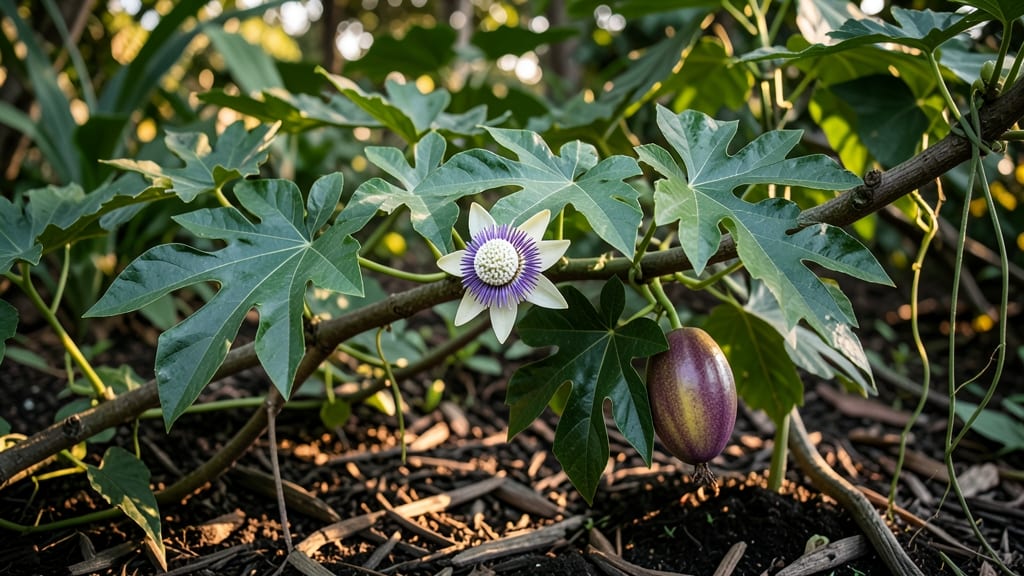
Growing an edible passion fruit plant means tropical flavors on your plate—not just in dreams. 🌿 These vines produce sweet, tangy fruit with minimal fuss once you understand their needs, and with the right care, you can harvest year-round in warm climates (or extend the season indoors).
The key to success lies in mimicking their native habitat: full sun, well-draining soil, and consistent moisture. Passion fruit thrives in containers or in-ground, making it perfect for small spaces or larger gardens. Just avoid soggy roots, and you’ll see vigorous growth and abundant fruit within a year.
You’ll recognize a thriving plant by its glossy leaves and fragrant flowers, followed by the distinctive, papery-skinned fruit. With proper pruning and pollination support, each vine can produce hundreds of fruits annually—enough to share with neighbors or preserve for later.
Whether you’re growing for fresh fruit, jams, or cocktails, passion fruit is a rewarding tropical addition. Let’s get those vines climbing and fruiting like pros!
📚 In This Guide
- What you need
- Instructions
- Tips and common mistakes
- Wrapping up and next steps
What you need
- ● Passion fruit seeds or young plants: 10–20 seeds (if starting from scratch) or
- ● 2–3 healthy nursery-grown plants (for faster results)
- ● Well-draining potting mix: 5–10 gallons (depending on container size)
- ● Specs: Mix of coconut coir, perlite, and compost (ratio: 3:1:1)
- ● Containers or garden space: Containers: 5–15 gallon pots with drainage holes (1–2 plants per container)
- ● Garden beds: Full sun (6+ hours/day), fertile soil with pH 6.0–7.5
- ● Fertilizer: Balanced organic fertilizer (10-10-10 NPK) or compost tea
- ● Slow-release granules (1 cup per plant, every 4–6 weeks)
- ● Watering can or hose: With a gentle spray nozzle
- ● Pruning shears: Sharp, sterilized (for shaping vines)
- ● Trellis or sturdy support: 6–10 ft tall (passion fruit vines grow aggressively!)
- ● Mulch (straw or wood chips) to retain moisture
- ● Grow lights (if indoors, 12–14 hours/day)
- ● Soil moisture meter (to avoid over/under-watering)
- ● Bees or hand-pollination tool (passion fruit needs cross-pollination!)
- ● Pest control spray (neem oil for aphids or mites)
Step-by-step instructions for growing edible passion fruit plants
Here’s how to cultivate thriving passion fruit vines that produce fruit year-round—no tropical climate required.
🌱 Step 1: Select the Right Variety and Start Healthy Plants
Choose a cold-hardy variety like Passiflora edulis (purple passion fruit) or Passiflora ligularis (sweet granadilla) if you live in cooler zones. I always buy established plants from a reputable nursery—passion fruit seeds take too long to mature, and seedlings rarely produce fruit in the first year. Look for vines with multiple healthy leaves and no signs of pests or disease.
Passion fruit plants are tropical at heart, so they need a long growing season. If you’re in a short-season climate, start plants indoors 6-8 weeks before your last frost date. Use 6-inch pots filled with well-draining potting mix and place them under grow lights to keep them growing until temperatures stay above 50°F at night. The goal is to get a 3-4 foot vine ready for transplanting.
🪴 Step 2: Plant in Well-Draining Soil with Full Sun Exposure
Passion fruit vines thrive in loamy, well-draining soil with a pH between 6.0 and 7.5. Amend heavy clay soil with 2-3 inches of compost and 1 inch of coarse sand to improve drainage—waterlogged roots will kill your plant quickly. I always test my soil first; passion fruit hates soggy conditions.
Plant your vine in a location that gets full sun (6-8 hours daily) and has strong support—these vines can grow 20-30 feet in a single season. Install a trellis, arbor, or sturdy fence before planting so the vine has something to climb immediately. Space plants 8-10 feet apart to allow for sprawling growth and airflow, which prevents fungal diseases.
☀️ Step 3: Water Deeply and Fertilize for Fruit Production
Water passion fruit plants deeply once a week, soaking the soil to a depth of 12 inches. You’ll know it’s enough when water runs out of the drainage holes. Let the top 2 inches of soil dry out between waterings—overwatering causes root rot, which is deadly. Mulch around the base with 2-3 inches of organic mulch (like wood chips) to retain moisture and suppress weeds.
Feed your plant every 4-6 weeks during the growing season with a balanced, water-soluble fertilizer (10-10-10 or 20-20-20). Once flowers appear, switch to a low-nitrogen, high-phosphorus fertilizer (like 5-10-10) to encourage fruiting. I always fertilize after a deep watering to prevent root burn—this plant is sensitive to salt buildup.
✂️ Step 4: Prune for Airflow and Encourage Fruit Set
Prune your passion fruit vine twice a year: once in late winter to remove dead or diseased wood, and again in early summer to shape the plant. Cut back overly long vines to 6-8 feet to improve airflow and sunlight penetration—this reduces the risk of fungal infections. Always prune just above a leaf node so new growth can sprout.
If your plant produces flowers but no fruit, it might need help with pollination. Passion fruit flowers are self-pollinating, but sometimes they need a little encouragement. On a warm, dry morning, gently shake the vine to release pollen. You’ll see tiny butterfly-shaped flowers appear in clusters—these are your future fruit. Remove any weak or deformed flowers to redirect the plant’s energy toward stronger fruit production.
🍈 Step 5: Harvest and Extend the Growing Season
Passion fruit is ready to harvest when the fruit changes color—purple varieties turn deep purple, while yellow varieties develop a golden hue. Gently twist the fruit from the vine; it should come off easily without tearing. Harvest in the morning when fruits are cool and firm for the best flavor. Store unripe fruit at room temperature until it ripens—never refrigerate, as cold temperatures ruin the texture.
To keep your passion fruit plant producing year-round, protect it from frost in cooler climates. In fall, wrap the vine in burlap or frost cloth and move potted plants indoors to a sunny window or under grow lights. In spring, gradually reintroduce the plant to outdoor conditions by placing it outside for a few hours daily, increasing exposure over 1-2 weeks. This prevents shock and ensures a smooth transition back to outdoor growing.
Tips & tricks for thriving passion fruit vines
Between us, these tropical vines are surprisingly resilient once you get the basics right. Here's how I've learned to keep mine producing fruit like clockwork.
Cold-Hardy Variety Selection: While the instructions recommend cold-hardy varieties, I've found that Passiflora edulis (purple passion fruit) handles cooler nights better than Passiflora ligularis (sweet granadilla). If you live in zones 8-10, the purple variety will reward you with more reliable fruit production. For colder climates, consider the hybrid varieties that have been bred specifically for your region—they're worth the extra investment.
Soil Testing Tip: Before amending your soil with compost and sand as instructed, I can't stress enough how important it is to test your pH. Passion fruit plants are particularly sensitive to soil acidity. If your soil tests below 6.0, you'll need to add lime to raise the pH—don't just assume the compost will fix it. I've seen plants struggle for years because of this oversight. A simple soil test kit from your local garden center will save you headaches.
Support System Installation: The instructions mention installing support before planting, but I've learned that's not always practical. If you're retrofitting support for an established vine, use soft ties (like old t-shirts or pantyhose) to avoid damaging the stems. For new plants, I recommend using a trellis system that allows the vine to climb vertically—this saves space and makes harvesting much easier. The key is to have support in place before the vine gets too heavy with fruit.
Fertilizer Timing Strategy: When the instructions say to switch to low-nitrogen, high-phosphorus fertilizer once flowers appear, I've found the best results come from making this switch when you first see flower buds forming—not after the flowers are already open. This gives your plant the phosphorus boost it needs right when it's starting to set fruit. Also, I've had success with a slow-release fertilizer pellet applied to the soil surface—it's less likely to cause salt burn than liquid fertilizers.
Pro Tips for Edible Passion Fruit Plant
- Between us, these tropical vines are surprisingly resilient once you get the basics right.
- Cold-Hardy Variety Selection: While the instructions recommend cold-hardy varieties, I've found that Passiflora edulis (purple passion fruit) handles cooler nights better than Passiflora ligularis (sweet granadilla).
- Soil Testing Tip: Before amending your soil with compost and sand as instructed, I can't stress enough how important it is to test your pH.
Frequently asked questions
Got questions about growing and enjoying your edible passion fruit plant? You’re not alone! Here are some of the most common queries—plus quick, actionable answers to keep your harvest thriving.
How long does it take for a passion fruit plant to bear fruit?
Passion fruit plants typically take 12–18 months to produce fruit from seed, while grafted plants may fruit in as little as 6–9 months. Patience is key—ensure your plant gets full sun, well-draining soil, and consistent watering to speed up the process.
Can passion fruit plants survive winter or cold climates?
Passion fruit plants are tropical and thrive in USDA Zones 8–11. In colder regions, grow them in containers and move them indoors or to a greenhouse during frost. Mulch heavily in winter to protect roots, but expect minimal fruit production if temperatures drop below 50°F (10°C).
What can I do if my passion fruit isn’t ripening?
Check these fixes:
- Sunlight: Ensure 6+ hours of direct sun daily.
- Watering: Keep soil moist but not soggy—drought stress halts ripening.
- Pollination: Hand-pollinate with a small brush if bees are scarce.
- Fertilizer: Use a balanced, citrus-friendly fertilizer every 4–6 weeks.
Are there any edible alternatives if my passion fruit plant fails?
Try these low-maintenance tropical fruits for similar vibes:
- Carambola (starfruit): Fast-growing, drought-tolerant, and sweet-tart.
- Pawpaw: Native to North America, thrives in cooler climates.
- Loquat: Cold-hardy and produces fragrant, edible fruit.
- Guava: Hardy and prolific—great for smoothies!
Why are my passion fruit leaves turning yellow?
Yellow leaves usually signal overwatering, nutrient deficiency, or pests. Start by:
- Checking soil moisture—let the top 2 inches dry out between waterings.
- Testing soil pH (ideal: 6.0–7.0) and amending with compost.
- Inspecting for aphids or spider mites (spray with neem oil if found).
Wrapping up and next steps
Growing your own edible passion fruit plant is a rewarding journey that brings tropical flavors straight to your kitchen! 🌿 Whether you're a seasoned gardener or a curious beginner, these harvest hacks will help you enjoy year-round fruit with minimal fuss.
Start small—plant a single vine, experiment with varieties, and soon you’ll be savoring homemade passion fruit juice, jams, or even desserts.
Ready to take the next step? Plant your first vine today and watch your garden transform into a sweet, fruity paradise. Share your progress with fellow gardeners—your passion fruit adventure might just inspire someone else to grow their own! 🌱✨