
Planting
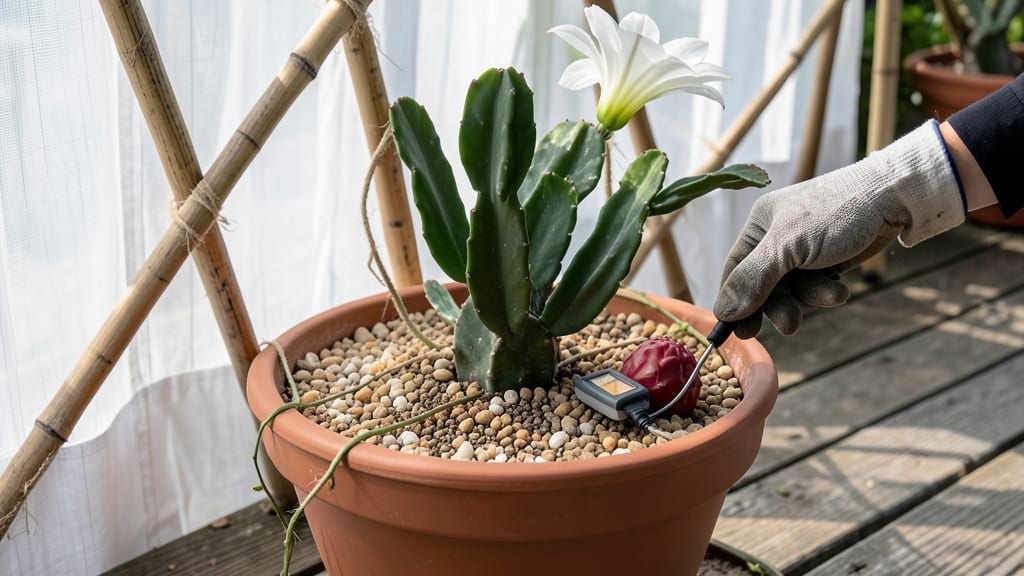
Growing dragon fruit from a cutting is faster than you think—within 4-6 weeks, you’ll see roots forming in water or soil. 🌱 I’ve propagated dozens of pitaya plants this way, and the key is patience paired with the right conditions.
These tropical vines start as delicate cuttings but transform into sturdy climbers with the right care.
The secret to fast root growth lies in humidity, warmth, and consistent moisture. Dragon fruit thrives in zones 10-11 but can be grown in containers indoors or in greenhouses elsewhere.
Start with a healthy vine cutting—about 6-12 inches long—and place it in water or moist soil, keeping it shaded until roots appear.
Once rooted, your cutting will grow into a vigorous plant that can produce fruit within 18-24 months. The sweet, vibrant fruit is worth the wait, but the real magic happens when you see those first roots sprout—proof that you’ve unlocked a tropical treasure in your own space.
Whether you’re growing in pots or training it to climb a trellis, dragon fruit is surprisingly adaptable. Just avoid overwatering and provide support early—these vines can grow 30+ feet long! Let’s get those roots growing strong.
📚 In This Guide
- What you need
- Instructions
- Tips and common mistakes
- Wrapping up and next steps
What you need
- ● Dragon fruit cuttings: 1–3 healthy, mature stems (4–6 inches long) with at least 2–3 nodes
- ● Nodes should be free of damage or rot
- ● Propagation medium (choose one): Water: Clean, room-temperature water (changed every 2–3 days)
- ● Soil: Well-draining cactus/succulent mix (or 50% perlite + 50% coconut coir)
- ● Containers: For water: Small glass jar or vase (16–24 oz)
- ● For soil: 4–6" diameter pots with drainage holes
- ○ Rooting hormone (optional but helpful): 1 small bottle (e.g., Clonex or similar)
- ● Pruning shears or sharp knife: Sterilized to prevent infection
- ○ Cinnamon powder or activated charcoal (optional): For dusting cut ends to prevent rot
- ● Temperature: 70–85°F (21–29°C) for optimal rooting
- ● Light: Bright, indirect light (e.g., near a window or grow light)
- ● Humidity: Moderate (40–60% ideal)
- ● Patience: Roots may take 2–6 weeks to form!
Step-by-step instructions for propagating dragon fruit in water or soil
Here's how I get dragon fruit cuttings to root quickly—whether in water or soil—so you can start your collection without waiting years.
🌱 Step 1: Select and Prepare Healthy Cuttings
Choose a mature dragon fruit stem that's at least 12 inches long and has 3-4 leaf nodes. The cutting should come from a healthy, disease-free plant and be free of any signs of rot or damage. I always make my cuts just below a leaf node with a sharp, sterilized knife to avoid crushing the stem.
Let the cut end dry out for 1-2 hours before planting. This callusing process prevents rot when the cutting contacts water or soil. Place the cuttings in a warm, shaded area while they heal—you'll see a slight callus form where the cut was made.
💧 Step 2: Root in Water for Faster Initial Growth
Fill a clean glass or jar with room-temperature water and place the cuttings so only the bottom 1-2 inches are submerged. Change the water every 2-3 days to prevent bacterial growth and keep it fresh. I use a small glass for each cutting to avoid overcrowding and ensure each gets enough oxygen.
Place the container in bright, indirect light—direct sun will overheat the water and stress the cutting. You'll see roots emerge in 2-4 weeks, starting as tiny white tendrils. Once roots reach 2-3 inches long, the cutting is ready to transition to soil.
🪴 Step 3: Transition to Soil for Permanent Growth
Prepare a pot with well-draining soil mix—equal parts cactus/succulent mix and perlite or coarse sand. Make a small hole in the center and gently place the rooted cutting, burying it up to the first leaf node. This ensures stability and encourages root development below ground.
Water lightly after planting and place the pot in a warm spot with bright, indirect light. Avoid direct sun for the first 1-2 weeks to reduce transplant shock. You'll know it's settling in when new leaves appear within 3-4 weeks—this means the roots have fully integrated with the soil.
☀️ Step 4: Acclimate to Full Sun and Care for Mature Plants
Gradually introduce the plant to direct sunlight over 1-2 weeks to harden it off. Start with 2-3 hours of morning sun daily and increase exposure as the plant adjusts. Dragon fruit thrives in full sun (6+ hours daily), but young plants can scorch if moved too quickly.
Water when the top 1-2 inches of soil feel dry—overwatering is the fastest way to kill a dragon fruit plant. Once established, these plants are drought-tolerant, but consistent moisture during the first growing season ensures strong root development. Fertilize lightly with a balanced, water-soluble fertilizer every 2-3 months during the growing season.
Tips & tricks for fast dragon fruit propagation
Fast root growth starts with the right prep—and avoiding these small mistakes makes all the difference.
Cutting Precision Matters: When selecting your 12-inch stem with 3-4 leaf nodes, make sure your knife cut is clean and angled just below a node. I learned this the hard way after struggling with uneven cuts that caused rot—always use a sharp, sterilized blade to prevent crushing the stem. The cleaner the cut, the faster the callus forms during those critical 1-2 hours of drying time.
Water Quality and Oxygen: The 2-3 day water change schedule isn't just about freshness—it's about oxygen circulation. I use small individual glasses instead of one large container to prevent overcrowding, which keeps the water from becoming stagnant. Add a tiny drop of hydrogen peroxide (just 1-2 drops per glass) to the water every other change to naturally inhibit bacterial growth without harming the cutting.
Light Balance is Critical: Bright indirect light is non-negotiable during the 2-4 week rooting phase. I place my cuttings near an east-facing window where they get morning sun but are shielded from harsh afternoon rays. Too much direct sun heats the water and stresses the cutting, while too little light slows root development. A simple sheer curtain can diffuse light if needed—just don't let the cutting sit in complete shade.
Soil Transition Timing: Wait until roots reach exactly 2-3 inches before planting in soil—this ensures they're strong enough to handle the transition. When burying up to the first leaf node, gently pat the soil mix (equal parts cactus/succulent mix and perlite) around the roots to eliminate air pockets. The first 1-2 weeks in soil are delicate, so I use a humidity dome or plastic bag to maintain moisture levels during this critical adjustment period.
Pro Tips for Dragon Fruit Pitaya Plant
- Fast root growth starts with the right prep—and avoiding these small mistakes makes all the difference.
- Cutting Precision Matters: When selecting your 12-inch stem with 3-4 leaf nodes, make sure your knife cut is clean and angled just below a node.
- Water Quality and Oxygen: The 2-3 day water change schedule isn't just about freshness—it's about oxygen circulation.
Frequently asked questions
Got questions about growing dragon fruit (pitaya) from seed?
Here are answers to the most common ones—so you can skip the guesswork and get straight to propagation success!
Can I grow dragon fruit from a store-bought pitaya?
Yes! Save the seeds from your fruit, rinse them gently, and let them dry for a day. Pro tip: Plant 2-3 seeds per pot since not all will sprout. Germination takes 2-4 weeks in warm, moist soil (70-80°F).
How long does it take for dragon fruit seeds to sprout?
Patience is key! Most seeds sprout in 2-4 weeks, but some may take up to 2 months. Keep soil consistently moist (not soggy) and place pots in bright, indirect light. Troubleshooting: If nothing happens after 6 weeks, try soaking seeds in warm water for 24 hours before replanting.
Is water propagation better than soil for dragon fruit?
Both work, but water propagation is faster for roots (2-3 weeks vs. 4+ weeks in soil). Use clean water and change it every 3-4 days to prevent mold. Once roots hit 2-3 inches, transplant to soil. Warning: Water roots are delicate—handle gently during transfer!
Why aren’t my dragon fruit seeds sprouting?
Common culprits:
- Cold temps (below 60°F slows germination). Use a heat mat if needed.
- Dry seeds—soak them overnight in warm water before planting.
- Poor drainage—ensure pots have drainage holes to avoid rot.
- Old seeds—fresh seeds sprout best; store-bought fruit seeds are your best bet!
Can I grow dragon fruit indoors?
Dragon fruit thrives indoors with 6+ hours of bright light daily (south-facing window or grow lights). Use a well-draining potting mix and a pot with drainage. Bonus: Rotate the plant weekly for even growth. Just be patient—indoor plants may take longer to fruit than outdoor ones.
Wrapping up and next steps
Growing a dragon fruit pitaya plant from cuttings is a rewarding journey—whether you’re propagating in water or soil, the key is patience and the right techniques! 🌱 With just a few simple steps, you can watch those roots flourish and soon enjoy vibrant, exotic fruit.
Whether you're a beginner or a seasoned gardener, this vibrant plant is a fantastic addition to your green space.
Now that you’re armed with the propagation secrets, why not take the next step? Try experimenting with different growing mediums or even share your newfound knowledge with fellow plant enthusiasts. Your dragon fruit adventure is just beginning—happy planting! 🌟