
Blooming
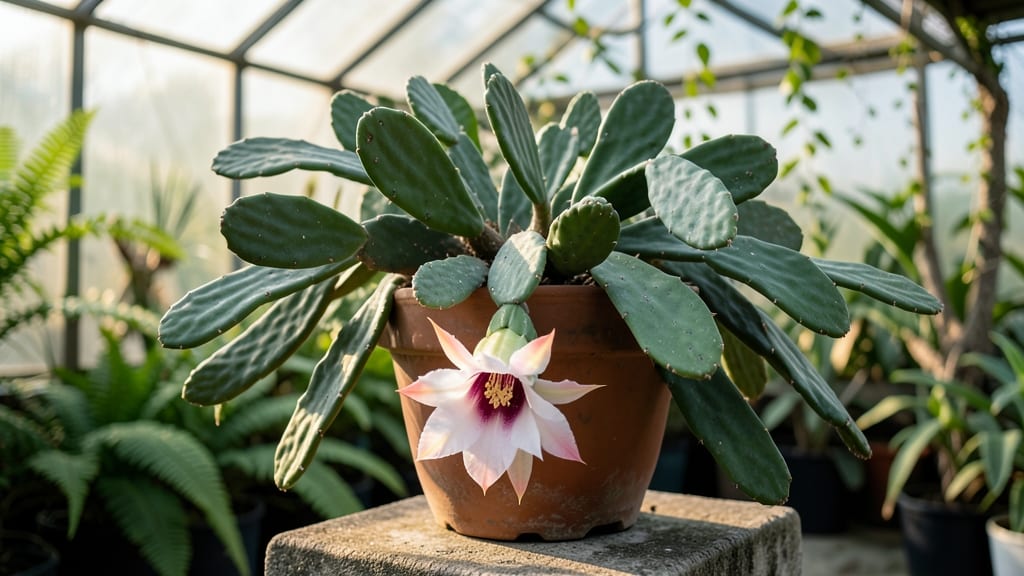
The moment your dragon fruit plant unfurls its exotic pink night-blooming flowers, you’ll know you’ve cracked the code on indoor tropical growing. 🌿 I’ve watched mine go from stubborn leafy vines to dramatic, fragrant blooms—all without a single sunbeam touching them—and the secret isn’t as complicated as it seems.
Those flowers appear when the plant feels secure, well-fed, and just a little stressed in the right way (think pruning, not neglect).
What you’ll need is simpler than you’d expect: a bright grow light (not direct sun), a humidity tray or pebble tray, and a balanced fertilizer with a touch of phosphorus to encourage flowering.
My plant blooms twice a year—once in spring and again in fall—when I adjust the temperature to 70-85°F and keep the soil consistently moist but never soggy. The key is patience; it can take 12-18 months from planting to your first bloom, but the payoff is worth every wait.
Once those flowers open at night, you’ll smell something like tropical fruit—hinting at the sweet dragon fruit to come. 🌸 The real magic happens when you hand-pollinate: use a soft brush to transfer pollen between flowers, and within 3-4 months, you’ll have fruit the size of a baseball.
Even if pollination fails, the flowers themselves are a stunning centerpiece that turns heads (and Instagram feeds).
Here’s the thing about dragon fruit blooms: they’re fragile but resilient. Too much water? Dropped buds. Not enough light? Flowers abort. But get the balance right, and your plant will reward you with months of blooms—even in a dim corner.
Let’s troubleshoot the common hiccups so you’re not left staring at bare stems when you expected a jungle of pink.
📚 In This Guide
- What you need
- Instructions
- Tips and common mistakes
- Wrapping up and next steps
What you need
- ● Dragon fruit plant (Hylocereus spp.) 1 healthy, mature plant (3+ years old for best blooming potential)
- ● Ensure it’s disease-free and has at least 3-4 strong stems
- ● Growing container 1 large pot (12–18 inches in diameter) with drainage holes
- ● Material: Terracotta or ceramic (preferred for breathability)
- ● Well-draining cactus/succulent soil mix 5–10 gallons (depending on pot size)
- ● pH: 6.0–7.0 (neutral to slightly acidic)
- ● Avoid heavy garden soil—it causes root rot!
- ● Fertilizer Balanced liquid fertilizer (e.g., 10-10-10 or 20-20-20)
- ○ Slow-release granules (optional but helpful)
- ● Grow lights (LED or fluorescent) 1–2 full-spectrum bulbs (10,000–15,000 lumens)
- ● Adjustable height (12–18 inches above the plant)
- ● Watering can with a narrow spout 1 (to avoid overwatering)
- ● Pruning shears or sharp knife 1 (sterilized with rubbing alcohol)
- ● Humidity tray or pebble tray – Keeps air moist for tropical blooms
- ● Support stakes or trellis – Helps heavy stems stay upright
- ● pH testing kit – Ensures soil stays in the ideal range
- ● Bloom booster fertilizer (e.g., high-phosphorus or potassium-rich)
- ● Decorative moss or orchid bark – Adds aesthetic flair to your setup
Step-by-step guide to encouraging dragon fruit flower blooms indoors
Here’s how I coax those stunning night-blooming flowers from my dragon fruit plant—no bright sunlight required.
🌱 Step 1: Select a Healthy Dragon Fruit Plant
Start with a mature dragon fruit plant (Hylocereus) that’s at least 2-3 years old—younger plants focus on growth, not flowering. Look for a plant with multiple thick, green canes and at least 5-6 segments (sections) per cane. These segments store energy for blooming.
If your plant has only a few canes or looks leggy, it’s not ready. I’ve found that plants with 3+ canes produce the most flowers. Place it in a spot with bright, indirect light (like a north-facing window) to keep it healthy until it’s ready to bloom.
☀️ Step 2: Mimic Seasonal Changes for Flowering
Dragon fruit plants need a temperature shift to trigger blooming. During the day, keep the room at 75-85°F, but drop nighttime temps to 60-65°F for 4-6 weeks. This mimics the cooler nights of their natural dry season.
I use a small fan on low at night to create gentle airflow, which also helps. Avoid drafts—just a slight breeze. Watch for small white buds forming at the tips of the canes—that’s your signal the plant is responding.
💧 Step 3: Adjust Watering and Fertilizing
Reduce watering by 50% during the 4-6 week blooming period. Let the top 2-3 inches of soil dry out between waterings—overwatering stresses the plant and prevents flowering. I water only when the soil feels dry to the touch at that depth.
Switch to a low-nitrogen, high-phosphorus fertilizer (like 5-10-10) every 4-6 weeks to encourage flowering. Dilute it to half-strength to avoid burning the roots. Stop fertilizing once buds appear—too much food now delays blooming.
✂️ Step 4: Prune and Support Flowering Canes
Prune any weak or damaged canes before buds form. Healthy canes should be thick and upright—thin ones won’t support heavy flowers. I tie the main canes to a trellis or bamboo stake to keep them vertical, which helps the flowers face outward for better pollination.
Once buds appear, avoid touching or moving the plant—vibration can cause buds to drop. Place a small dish of water near the plant to increase humidity (but don’t mist the flowers). Dragon fruit flowers are sensitive, so keep the air around them lightly moist but not soggy.
🌿 Step 5: Hand-Pollinate for Fruit Development
Dragon fruit flowers bloom at night and close by morning. Use a soft paintbrush or cotton swab to gently transfer pollen from the male flowers (smaller, on the same plant or nearby) to the female flowers (larger, with a swollen base). Do this within 24 hours of opening for best results.
I pollinate in the early morning when flowers are fresh. After pollination, the female flower will start to swell within 3-5 days. Remove any unpollinated flowers to save the plant’s energy for the developing fruit. Be patient—fruit takes 30-40 days to ripen indoors.
Tips & tricks for encouraging dragon fruit flowers indoors
These simple strategies will help you coax those magical blooms from your dragon fruit plant without needing bright sunlight.
The Age Factor: If your plant is younger than 2-3 years, it won't have enough stored energy to flower. I've seen plants with just 3-4 thick canes produce flowers, but those with 5-6 segments per cane are the real powerhouses. The extra segments act like energy reserves, so don't rush—patience pays off when you see those first buds.
Temperature Timing: The 4-6 week temperature shift is crucial—don't skip it! I've found that keeping daytime temps at 75-85°F while dropping nights to 60-65°F mimics the plant's natural dry season cycle. Use a thermometer to monitor this, especially if you live in a warm climate. The slight breeze from a fan helps too, but avoid anything stronger than a gentle nighttime zephyr.
Watering Wisdom: That 50% reduction in watering during the blooming period makes all the difference. I check soil moisture by sticking my finger 2-3 inches deep—if it's dry, it's time to water. Overwatering is the #1 reason plants fail to bloom, so resist the urge to keep the soil constantly moist. Think "dry but not bone-dry" for best results.
Pollination Precision: Those 24 hours after opening are your only chance to pollinate! I use a soft paintbrush because it's gentler than cotton swabs and gives me better control. Pollinate in the morning when flowers are freshest—this gives the plant the full day to process the pollen before nightfall. Watch for that slight swelling in female flowers within 3-5 days after pollination.
Pro Tips for Dragon Fruit Flower Bloom
- These simple strategies will help you coax those magical blooms from your dragon fruit plant without needing bright s...
- The Age Factor: If your plant is younger than 2-3 years, it won't have enough stored energy to flower. I've seen plan...
- Temperature Timing: The 4-6 week temperature shift is crucial—don't skip it! I've found that keeping daytime temps at...
Frequently asked questions
Got questions about coaxing those stunning dragon fruit flower blooms indoors? You’re not alone! Here are answers to the most common curiosities—from timing to troubleshooting—so you can grow like a pro.
How long does it take for a dragon fruit plant to flower indoors?
Patience is key! Under ideal indoor conditions (bright, indirect light and consistent care), a healthy dragon fruit plant can produce its first blooms in 12–24 months. Younger plants may take longer, so focus on steady growth first. Pro tip: Ensure your plant gets at least 6–8 hours of light daily—grow lights help if natural light is scarce!
Why isn’t my dragon fruit plant blooming?
No blooms? Don’t worry—it’s often a sign of one (or more!) missing pieces. Common culprits include:
- Insufficient light: Dragon fruit plants need bright, indirect light. If yours is leggy or sparse, it’s likely light-deprived.
- Age or size: Plants under 3 feet tall or less may not bloom yet. Give it time!
- Temperature swings: Keep it in a 60–90°F range—cold drafts or heat spikes can stress the plant.
- Lack of fertilizer: Use a balanced, low-nitrogen fertilizer (like 10-10-10) during growing season to encourage flowering.
Can I force a dragon fruit plant to bloom faster?
While you can’t force blooms overnight, you can optimize conditions to speed up the process. Try these tricks:
- Supplement with LED grow lights (12–14 hours/day) if natural light is weak.
- Reduce watering slightly in fall/winter to mimic a dormant phase.
- Use a phosphorus-rich fertilizer (like 5-10-10) to promote flowering.
- Avoid repotting—stress from transplanting can delay blooms.
What do dragon fruit flowers look like, and how do I know if they’re healthy?
Dragon fruit flowers are eye-catching and ephemeral—they bloom for just 24–48 hours! Healthy blooms are:
- Large (3–4 inches wide), with bright pink or white petals.
- Fragrant (a sweet, tropical scent—like a mix of pear and rose!).
- Firm and upright (wilting or drooping signals stress or poor health).
Are there any low-light alternatives to dragon fruit for indoor blooms?
If dragon fruit’s light needs feel too high-maintenance, try these low-light-tolerant bloomers instead:
- Peace Lily (Spathiphyllum): Thrives in shade, produces white "flowers" year-round.
- ZZ Plant (Zamioculcas zamiifolia): Nearly indestructible and occasionally blooms.
- African Violet (Saintpaulia): Needs bright indirect light but blooms reliably.
- Snake Plant (Sansevieria): Hardy and produces rare but striking flowers.
Wrapping up and next steps
Watching a dragon fruit flower bloom indoors is a rewarding experience—one that proves nature’s magic thrives even in low-light spaces! 🌱 With the right care, your plant can reward you with stunning blooms and delicious fruit, all while adding a touch of tropical beauty to your home.
Ready to take the next step? Experiment with pruning, adjust your care routine, and share your progress with fellow plant lovers! Whether you’re a beginner or a seasoned grower, every bloom is a celebration of your green thumb’s success.