
Size
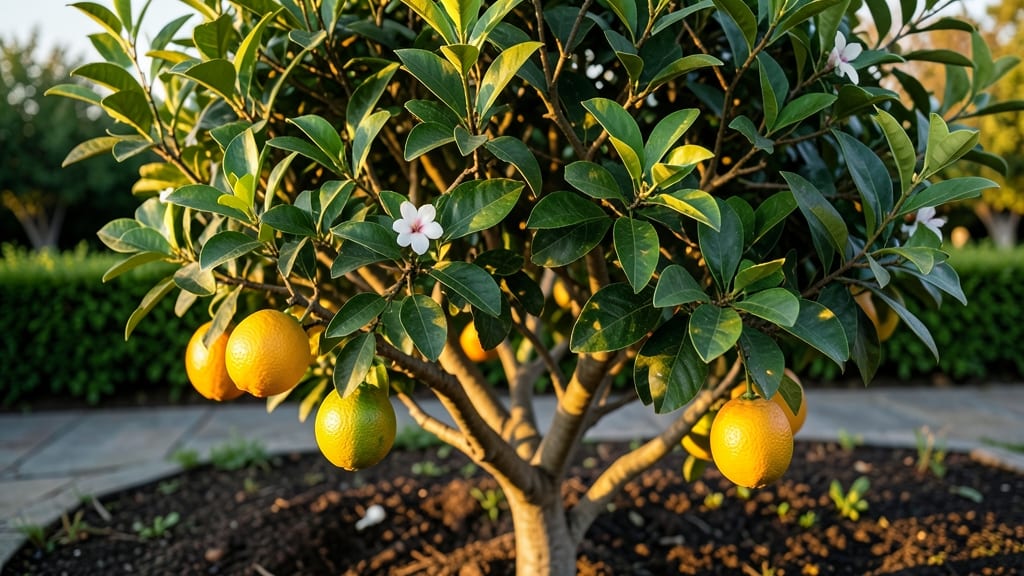
Yes, grapefruits grow on trees—specifically evergreen citrus trees (Citrus × paradisi)—which thrive in warm climates and produce tart, segmented fruits after 3-5 years of cultivation. These trees require full sun, well-draining soil, and regular watering to flourish and bear fruit annually.
Grapefruit trees belong to the Rutaceae family, where they share space with oranges and lemons. 🌱 The journey from flower to fruit takes 6-12 months, with each blossom developing into a grapefruit only if pollinated properly.
These trees love warm climates (USDA zones 9-11), but with proper care, they can even thrive in containers in cooler regions. What's fascinating is how their thick, waxy leaves help conserve moisture—perfect for their native habitats where water can be scarce.
If you're dreaming of growing your own, start with a healthy nursery sapling rather than seeds, as they take longer to bear fruit. The key to success lies in well-draining soil and avoiding overwatering—root rot is their biggest enemy.
I've found that pruning in late winter helps shape the tree while encouraging better air circulation, which reduces disease risks. For those in colder climates, bringing potted trees indoors during winter can extend their lifespan dramatically.
💡 In This Article
- Citrus Tree Anatomy and Grapefruit Growth Stages
- How to Grow Grapefruit Trees at Home
Citrus tree anatomy and grapefruit growth stages
A grapefruit tree's structure is perfectly adapted to its tropical origins. The tree's evergreen leaves are thick, waxy, and oval-shaped, measuring about 2-4 inches long, which helps reduce water loss in dry climates.
These leaves contain essential oils that give grapefruits their signature aroma and contribute to the tree's natural pest resistance. The tree's white, fragrant flowers bloom in clusters during spring, each with 4-5 petals and a sweet, citrusy scent that attracts pollinators like bees and butterflies.
The fruit development process begins when flowers are successfully pollinated, typically taking 6-12 months to mature. Initially, the fruit starts as a small, green button that gradually swells as it develops its segmented structure.
What's fascinating is how the grapefruit's bitter compounds (limonoids) develop during this time, giving it that signature tartness. The fruit's color shift from green to pink or red occurs due to anthocyanin pigments, which develop as the fruit ripens in response to sunlight exposure.
Temperature plays a critical role here—ideal fruit development occurs between 70-90°F, with anything below 50°F potentially stunting growth.
Environmental factors significantly influence grapefruit production. Trees need 6-8 hours of direct sunlight daily to photosynthesize properly, but too much intense heat can actually reduce flowering. The tree's root system extends deep to access water, which is why well-draining soil is crucial—waterlogged conditions lead to root rot.
I've noticed that grapefruit trees in coastal regions often produce more fruit than those inland, likely due to the moderating influence of ocean breezes and higher humidity levels that reduce stress on the plants. This is why commercial grapefruit groves are frequently planted near coastlines.
One often overlooked aspect is the tree's alternate bearing pattern, where it produces heavy crops one year followed by lighter yields the next. This natural cycle helps conserve the tree's energy.
The fruit's final size—typically 3-6 inches in diameter—depends on factors like variety (Ruby Red grapefruits tend to be larger than Marsh), water availability, and nutrient levels in the soil. For example, a well-fed tree might produce fruits weighing 1-2 pounds, while stressed trees yield smaller, more bitter fruits.
The tree's bark texture also changes with age, starting smooth and becoming rougher as it matures, which can help gardeners gauge the tree's health.
Understanding these growth stages helps explain why grapefruit trees sometimes struggle in new environments. For instance, the critical flowering window (typically spring) requires precise temperature conditions—below 55°F can prevent pollination entirely.
This is why commercial growers in Florida often use frost protection measures like wind machines and irrigation systems to maintain optimal conditions. The tree's rootstock (the root system) also plays a role—some varieties are grafted onto more resilient rootstock to improve disease resistance and fruit quality. 🌿
What most people don't realize is how the grapefruit's segmented structure develops from the tree's floral anatomy. Each segment originates from a separate ovary in the flower, which explains why grapefruits have that distinctive segmented appearance.
The albedo (white pith) and flavedo (outer skin) layers develop as protective barriers, with the flavedo containing oil glands that give the fruit its aromatic qualities. This complex development process is why grapefruit trees require such precise growing conditions to produce high-quality fruit consistently.