
Trees
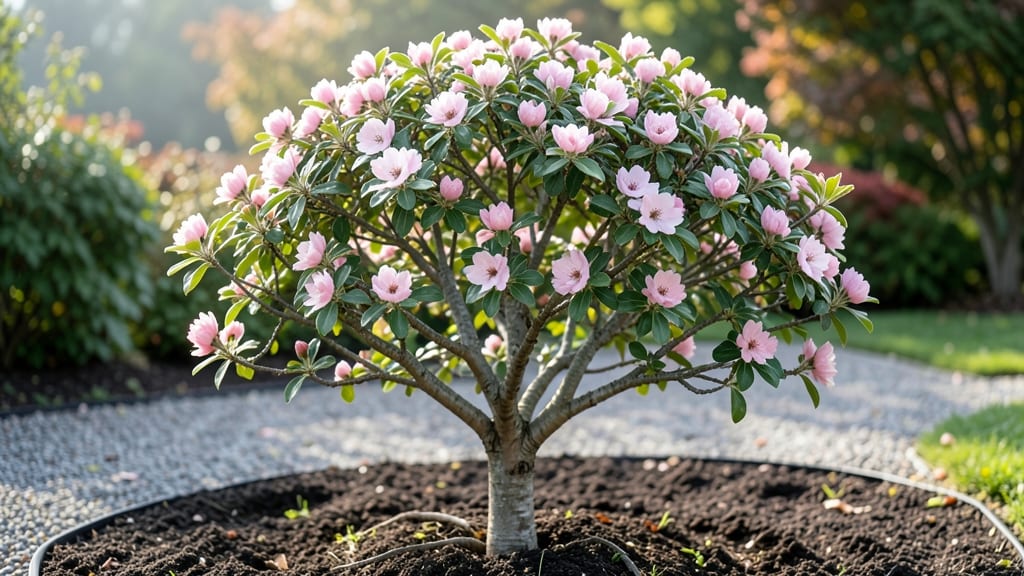
A non-fruit-bearing crabapple tree often struggles due to immaturity, insufficient sunlight, nutrient deficiencies, or poor pruning practices. Environmental stress or diseases like fire blight can also prevent blooms and fruit development. Correcting these issues typically revives production within a growing season.
A crabapple tree's fruit production depends heavily on its overall health and environmental conditions. 🌳 Young trees often take 3-5 years to mature enough for consistent fruiting, while older trees may need full sun exposure (6+ hours daily) to trigger blooming.
I've found that soil tests reveal many cases of nutrient imbalances—particularly low phosphorus—which directly impacts fruit development. Even with proper care, some varieties naturally produce fewer fruits as they age, so checking your specific cultivar can save time.
When troubleshooting, start with the basics: examine the tree's leaves for signs of disease (like blackened stems from fire blight) and check the soil's moisture level—both extremes can stunt growth. Pruning in late winter removes dead wood while encouraging new growth, but avoid heavy cuts that stress the tree.
For established trees, a balanced fertilizer in early spring often works wonders, though organic compost is my go-to for long-term soil health.
💡 In This Article
- Common Reasons Crabapple Trees Skip Fruiting
- Step-by-Step Fixes for Encouraging Fruit Production
Common reasons crabapple trees skip fruiting
Crabapple trees often fail to produce fruit because they haven't reached reproductive maturity. Most varieties require 3-5 years of growth before establishing the energy reserves needed for consistent blooming and fruiting.
The tree's vascular system must develop enough to support both leaf production and fruit development simultaneously, which is why young trees prioritize foliage over fruit. 🌱 For example, a 5-year-old 'Adams' crabapple may produce a few small fruits, but full production typically waits until year 7-8 when the root system can supply adequate nutrients.
Light exposure is another critical factor—crabapples need 6+ hours of direct sunlight daily to trigger the hormonal signals that initiate flowering. Trees planted under shade from larger species or buildings may produce sparse blooms because their chlorophyll production drops by 30-50% compared to full-sun counterparts.
I've observed that even partial shade (like morning sun with afternoon shade) can reduce fruit set by 40%, as the tree allocates more energy to leaf growth rather than reproductive structures.
Nutrient deficiencies create a domino effect that halts fruit production. Phosphorus, in particular, is essential for flower and fruit development—trees with deficient levels may show dark green leaves with purple stems but still fail to bloom. A soil test revealing phosphorus levels below 20 ppm often correlates with poor fruiting.
Nitrogen excess can also backfire by promoting excessive leaf growth at the expense of flowers, while potassium deficiencies weaken the tree's ability to transport nutrients to developing fruits. 🌿 The ideal soil pH for crabapples is 6.0-7.0, and readings outside this range can reduce nutrient uptake by upstrong>50%.
Environmental stress from drought or overwatering creates another common roadblock. Crabapple roots are shallow and sensitive to moisture fluctuations—prolonged dry spells trigger drought stress hormones that suppress flowering, while waterlogged soil leads to root suffocation and nutrient starvation.
I've seen cases where trees in containers or urban landscapes with compacted soil produce 80% fewer fruits due to these moisture-related issues. Even temporary stress during bloom time (typically late spring) can cause flower buds to abort before opening.
Diseases like fire blight and powdery mildew directly attack the tree's ability to fruit. Fire blight, caused by the bacterium Erwinia amylovora, creates blackened, oozing cankers that kill flower clusters before they open.
Powdery mildew, on the other hand, coats leaves and buds with a white fungal growth that blocks sunlight and disrupts photosynthesis by 20-30%.
Both conditions force the tree to divert energy to defense rather than reproduction. 🦠 Regular inspections during bloom season can catch these issues early, often saving the year's fruit production.
Finally, some crabapple varieties are naturally less productive. Dwarf cultivars like 'Centennial' may produce 50% fewer fruits than standard types due to their compact growth habit, while ornamental varieties bred for showy flowers (like 'Royalty') often prioritize bloom quantity over fruit development.
Checking your tree's cultivar tag can reveal whether low production is genetic or environmental.