
Succulent
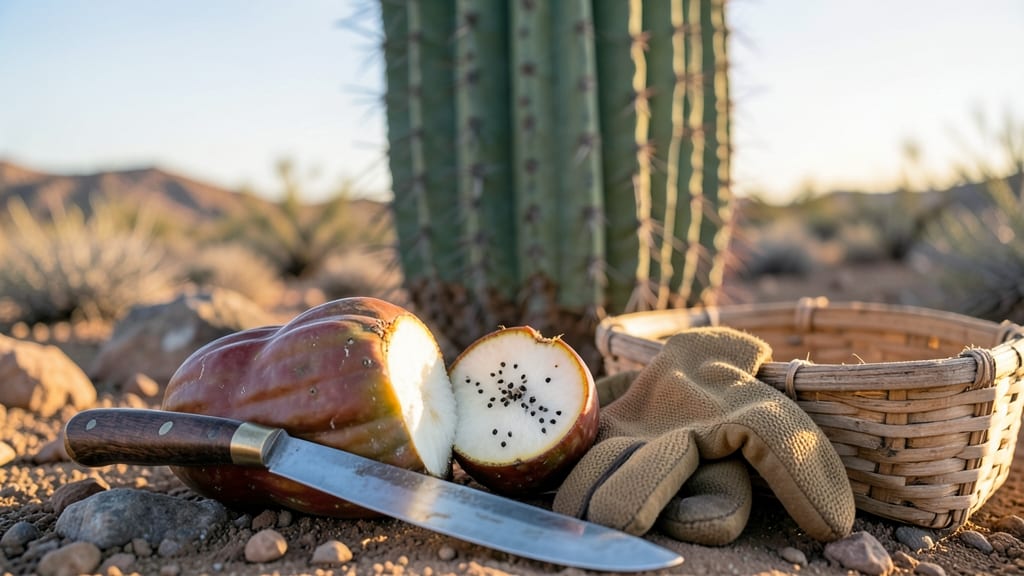
Growing cardón cactus fruit (Pachycereus pringlei) means waiting three years for sweet, edible harvests—but the payoff is worth every thornless branch. 🌵 I've grown these towering beauties in hot, arid climates, and they reward patience with vibrant pink fruits that taste like a mix of pear and honey.
The secret starts with well-draining soil and full sun exposure—this isn't a plant for shady corners. You'll need a 10-foot-tall space (or a container that deep) since they grow fast once established, and watering only when the soil is bone-dry prevents rot while encouraging fruit production.
By year three, you'll see those first 3-inch-long fruits forming along the stems, ready to harvest when they turn bright pink. The fruit is mild, slightly sweet, and perfect for jams, juices, or fresh eating—though handling the spines requires thick gloves.
Works best in USDA zones 9-11, but with proper winter protection, you can grow them in cooler climates too. Here's how to get started without the usual cactus headaches.
📚 In This Guide
- What you need
- Instructions
- Tips and common mistakes
- Wrapping up and next steps
What you need
- ● Cardón Cactus (Pachycereus pringlei) seedlings or cuttings – 1-3 plants (thornless varieties preferred for safety).
- ● Well-draining cactus/succulent soil mix – 5-10 gallons (avoid heavy garden soil).
- ● Large containers or raised beds – 12"+ depth, 15-20 gallons per plant (or direct ground planting in warm climates).
- ● Gravel or pumice – 1-2 inches for drainage layer at the bottom of pots.
- ● Slow-release fertilizer (balanced or low-nitrogen) – 1 lb per plant (e.g., 10-10-10 or 5-5-5).
- ● Drip irrigation system or watering can with narrow spout – Avoid overhead watering.
- ● Gloves & long sleeves – Even thornless varieties may have mild prickles.
- ● Pruning shears or knife (sterilized) – For shaping or harvesting.
- ● pH testing kit – Ideal soil pH: 6.0–7.5.
- ● Mulch (gravel or bark) – Retains moisture and regulates temperature.
- ● Grow lights (LED, full-spectrum) – For indoor setups (12+ hours/day).
- ● Pollination aid (brush or small bee) – If growing indoors or in isolated areas.
Step-by-step instructions for growing cardón cactus fruit
Here’s how to cultivate cardón cactus fruit without the thorns—just patience and the right conditions.
🌱 Step 1: Select and Prepare the Right Site
Cardón cactus (Pachycereus pringlei) thrives in USDA Zones 9-11 with full sun (6+ hours daily). Choose a well-draining, rocky soil—they hate soggy roots. Amend native soil with sand or gravel to improve drainage if needed. The plant’s natural habitat is arid, so mimic it by planting in south-facing slopes or raised beds if possible.
I always test drainage first by digging a 12-inch hole, filling it with water, and watching how long it takes to drain. If it’s still wet after an hour, add more sand or gravel to the mix. Cardón cactus roots need oxygen—compacted soil will kill them. Space plants 10-15 feet apart to allow for their massive growth over time.
☀️ Step 2: Plant and Establish the Cactus
Plant bare-root or container-grown cardón cactus in late spring or early summer to avoid frost damage. Handle the plant carefully—its spines are sharp even if the fruit is thornless. Dig a hole twice as wide as the root ball but only as deep. Place the cactus in the hole, ensuring the top of the root ball sits level with the soil surface—burying too deep causes rot.
Backfill with native soil mixed with 20% perlite or coarse sand to prevent compaction. Water deeply once to settle the soil, then let it dry completely before watering again. Cardón cactus is drought-tolerant once established, but young plants need moderate watering every 2-3 weeks during the first year. Overwatering is the #1 killer—yellowing or mushy stems mean you’re watering too much.
🪴 Step 3: Provide Minimal Care for 2-3 Years
No fertilizer is needed—cardón cactus grows slowly and naturally in poor soils. Focus on protecting from frost (cover with burlap if temps drop below 30°F) and controlling weeds around the base. Prune only to remove dead or damaged pads—never trim healthy growth. The plant’s thorns may appear intimidating, but they’re protective; avoid touching them.
Fruit production starts after 3-5 years, but patience is key. You’ll know it’s ready when large, ribbed pads develop at the top of the cactus. These pads will eventually bloom into white, night-blooming flowers—the precursor to fruit. Never fertilize once flowering begins; it can reduce fruit quality. Instead, ensure full sun and no water stress—that’s all these cacti need.
⏰ Step 4: Harvest and Enjoy the Fruit
Cardón cactus fruit ripens in late summer to early fall, typically 6-8 months after flowering. The fruit starts green, turns yellow, and finally deep red or purple when ripe. Harvest by twisting gently until it separates cleanly from the pad—never cut, as this can damage the plant. Wear thick gloves and long sleeves; even thornless varieties can have residual spines.
Once harvested, the fruit’s sweet, tangy flavor is best enjoyed fresh or used in jams, juices, or traditional Mexican dishes like cactus fruit candy. Store unripe fruit in a cool, dry place for up to a week—it won’t ripen further off the plant. Discard any fruit with soft spots or mold, as these indicate rot. With proper care, one mature cardón cactus can produce dozens of fruits per season—worth the wait!
Tips & tricks for perfect cardón cactus fruit cultivation
Here's what I've learned from years of growing these stunning desert plants—avoid these common pitfalls.
Site Selection Wisdom: When testing drainage in that 12-inch hole, remember the rule of thumb: if water stands for more than 30 minutes, your soil needs more gravel or sand. I've seen cardón cactus roots rot in just weeks when planted in heavy clay—don't make that mistake. For extra insurance, consider planting in raised beds with a 2-inch layer of crushed rock at the bottom to create a natural drainage layer. The roots will thank you by growing strong and healthy for decades.
Planting Precision: That "twice as wide" hole specification is critical—it prevents root circling which can strangle the plant over time. I always use a garden spade to loosen the sides of the hole, creating a "root highway" for those deep taproots. And here's a pro move: place a handful of mycorrhizal fungi granules in the bottom before planting. These beneficial microbes help the roots establish faster, especially in the first crucial weeks after transplanting.
Watering Strategy: The "let it dry completely" instruction is non-negotiable, but timing matters too. I water my young plants in the early morning so any excess moisture evaporates before evening. This prevents fungal issues that thrive in damp conditions. For established plants, I've found that watering every 3-4 weeks during summer rains is often sufficient—just check the soil 2 inches down with your finger. If it's dry, water; if it's moist, wait.
Frost Protection Hack: That 30°F threshold is your warning sign, but I've learned to act earlier. When temps drop below 40°F at night, I cover my plants with frost cloth instead of waiting for the freeze warning. The extra protection gives you a buffer zone, and you can remove it during the day for sunlight. For container-grown plants, move them to a sheltered spot against a south-facing wall—they'll survive much better than you'd expect.
Pro Tips for Cardon Cactus Fruit
- Here's what I've learned from years of growing these stunning desert plants—avoid these common pitfalls.
- Site Selection Wisdom: When testing drainage in that 12-inch hole, remember the rule of thumb: if water stands for more than 30 minutes, your soil needs more gravel or sand.
- Planting Precision: That "twice as wide" hole specification is critical—it prevents root circling which can strangle the plant over time.
Frequently asked questions
How long does it take for a cardón cactus to produce fruit?
A cardón cactus typically takes 3–5 years to mature and bear fruit, depending on climate, care, and soil conditions. Patience is key—focus on healthy growth first! In ideal conditions (full sun, well-draining soil), some varieties may fruit sooner, but don’t rush it.
Can I eat cardón cactus fruit raw, or does it need preparation?
Yes, you can eat it raw, but preparation is a must to remove thorns and spines safely. Peel the outer layer, slice the fruit lengthwise, and scoop out the edible pulp. Some people boil or roast it to soften the texture. Pro tip: Wear gloves when handling—those spines are sneaky!
Will cardón cactus survive cold winters, or do I need to protect it?
Cardón cacti are drought-tolerant but frost-sensitive. In USDA zones 9–11, they thrive outdoors year-round. Below 20°F (-6°C)? Move potted plants indoors or cover them with frost cloth. Mulch the base in mild winters to insulate roots.
What can I do if my cardón cactus isn’t flowering after 2–3 years?
No flowers yet? Check these fixes:
- Sunlight: Ensure it gets 6+ hours of direct sun daily.
- Water: Overwatering stresses roots—let soil dry completely between waterings.
- Fertilizer: Use a low-nitrogen, high-phosphorus succulent fertilizer in spring/summer.
- Age: Some varieties need 4+ years to flower.
Are there alternatives to cardón cactus fruit for quick harvests?
If you’re eager for edible cactus fruit but impatient for cardón, try these faster-growing options:
- Prickly pear (Opuntia): Fruits in 2–3 years; sweeter and easier to harvest.
- Dragon fruit (Hylocereus): Produces fruit in 2–3 years with vibrant flavors.
- Christmas cactus (Schlumbergera): Non-edible but stunning; great for indoor growing.
Wrapping up and next steps
Growing cardón cactus fruit is a rewarding journey that blends patience with delicious results! 🌱 With the right soil, sunlight, and care, you’ll enjoy thornless harvests in just three years—imagine the sweet, tangy fruit waiting for you.
Whether you’re a beginner or a seasoned gardener, this guide makes it simple and exciting.
Now that you’re armed with knowledge, take the next step: pick your spot, gather your supplies, and plant that first pup! Share your progress with fellow plant lovers—your cardón cactus adventure is just beginning. Happy growing! 🌟