
Fertilization
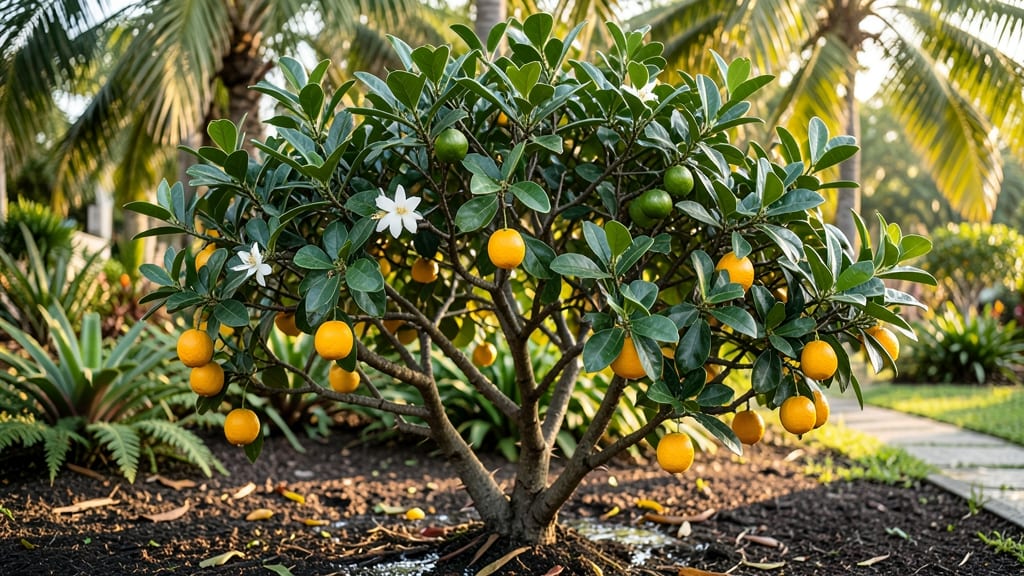
Growing calamansi citrus fruit from seed means tangy, lime-sized treasures in your kitchen year-round. 🌱 I’ve turned my patio into a mini citrus grove, and the first harvest made homemade calamansi juice that tasted like sunshine.
The secret? Mimicking its tropical roots—warmth, humidity, and just the right balance of water and sunlight.
You’ll need a 5-gallon container (or larger for outdoor planting), well-draining soil with a touch of sand, and a spot that gets 6+ hours of morning sun. Calamansi thrives in USDA Zones 9-11, but container growing lets you bring it indoors when temperatures dip below 50°F.
Start with seeds or young plants—germination takes 2-4 weeks, so patience is key.
By year two, you’ll see bright green leaves and tiny white flowers that smell like citrus dreams. Prune lightly to shape the tree and remove dead growth, and watch as tiny, round fruits appear within 3-5 years.
The first harvest is worth every drop of water—each fruit packs a punch of sour, floral flavor perfect for drinks, marinades, or desserts.
Container-friendly and adaptable to balconies or greenhouses, calamansi is the citrus lover’s secret weapon. Whether you’re growing for culinary adventures or just love the glossy foliage, this little tree delivers big rewards. Let’s get those seeds sprouting!
📚 In This Guide
- What you need
- Instructions
- Tips and common mistakes
- Wrapping up and next steps
What you need
- ● Calamansi seeds (10–20 seeds per batch, fresh for best germination rates)
- ○ Seedling pots or trays (3–4 inches deep, with drainage holes—biodegradable pots are optional but eco-friendly!)
- ● Well-draining potting mix (50% coco coir, 30% perlite, 20% compost—sterilized to prevent disease)
- ● Small shovel or transplanting tool (for delicate seedling transfers)
- ● Spray bottle (for gentle watering during germination)
- ● Grow lights or sunny windowsill (6–8 hours of bright, indirect light daily)
- ● Humidity dome or plastic wrap (to maintain moisture while seeds sprout)
- ● Fertilizer (balanced 10-10-10 NPK or citrus-specific fertilizer, diluted to half-strength)
- ● Pruning shears (for shaping young trees and removing dead growth)
- ○ Support stakes or trellis (optional, for larger trees to prevent bending)
- ● pH testing kit (ideal soil pH: 5.5–6.5 for calamansi)
- ● Slow-release fertilizer pellets (for convenience, especially in containers)
- ● Mulch (straw or wood chips) (to retain moisture and regulate soil temperature)
- ● Citrus micronutrient spray (to prevent deficiencies like iron chlorosis)
- ● Thermometer/hygrometer (to monitor ideal 70–85°F growing conditions)
Step-by-Step instructions for growing calamansi from seed to fruit
Here's the method I've perfected for coaxing these tiny, tart citrus gems from seed to full fruiting trees.
🌱 Step 1: Prepare Seeds and Planting Medium
Start with fresh calamansi seeds—remove them from the fruit immediately after eating and rinse off any pulp. The key to fast germination is using a sterile, well-draining mix of 50% peat moss and 50% perlite. This prevents the fungal issues that often rot citrus seeds. Fill small 4-inch pots with this mix and moisten it until damp but not soggy.
Place the pots in a shallow tray to catch any excess water. I like to use clear plastic pots here because you'll see the roots develop, which is the most exciting part of this process. The goal is to create an environment where seeds can germinate quickly without damping off. Keep the mix warm—citrus seeds germinate best at 75-80°F, so a seedling heat mat helps if your home runs cooler.
🌱 Step 2: Sow Seeds and Maintain Ideal Conditions
Plant 1-2 seeds per pot at a depth of ¼ inch, just below the surface. Cover them lightly with additional mix and mist gently with water until the surface is evenly moist. Don't press down—the seeds need good contact with the soil but shouldn't be compacted. Place the pots in a warm, bright location with indirect light for the first week.
Germination can take 2-4 weeks, depending on temperature. I've seen some pop up in as little as 10 days when conditions are perfect, while others take closer to a month. Keep the soil consistently moist but never waterlogged—citrus seedlings hate soggy roots. Once the first true leaves appear (not the initial seed leaves), you'll know the seedlings are established and ready for the next phase.
☀️ Step 3: Transplant and Provide Full Sunlight
After 6-8 weeks, when seedlings have 4-6 true leaves, it's time to transplant them into 6-inch pots with a citrus-specific potting mix. This mix should include perlite or sand for drainage and a slow-release citrus fertilizer. Handle the seedlings carefully—they have delicate roots, and rough transplanting can stunt growth. Water thoroughly after transplanting to help the roots settle.
Move the seedlings to a location with full sun (at least 6-8 hours daily). Calamansi trees thrive in bright light, and insufficient sunlight leads to leggy, weak growth. If you're growing indoors, place them near a south-facing window or under grow lights for 12-14 hours per day. You'll notice the leaves darken and the stems thicken as they adapt to stronger light—this is a sign they're thriving.
🪴 Step 4: Prune and Fertilize for Strong Growth
Once the seedlings are established, focus on pruning and fertilization to encourage bushy growth. Pinch back the tips of the main stems when they reach 6-8 inches tall to encourage lateral branching. This creates a fuller tree with more fruiting potential. Use sterile pruning shears and make cuts just above a leaf node to avoid leaving stubs.
Fertilize every 4-6 weeks with a balanced citrus fertilizer (look for one with equal parts nitrogen, phosphorus, and potassium). Water the tree first to prevent root burn, then apply the fertilizer according to package instructions. Calamansi trees are light feeders, so over-fertilizing can harm them. Watch for new growth—healthy trees will produce bright green leaves and may even flower within 12-18 months if conditions are ideal.
⏰ Step 5: Support and Pollinate for Fruit Production
When your calamansi tree starts flowering, it will need support and pollination to produce fruit. Hand-pollinate the flowers using a small brush to transfer pollen from one bloom to another. This mimics the work of bees and ensures better fruit set. If you're growing multiple trees, cross-pollination between them increases the chances of fruit development.
Once fruit begins to form, you may need to support the branches as the weight of the calamansi grows. Use soft ties to gently secure heavy branches to stakes or a small trellis. Harvest the fruit when it's bright yellow-green and slightly soft to the touch, usually 8-12 months after flowering. The fruit will continue to ripen off the tree, so pick it when it's ready and store it in a cool, dry place.
Tips & tricks for perfect calamansi tree cultivation
These insider tricks will help you nurture your calamansi seeds into thriving fruit-bearing trees with minimal stress.
Seed Selection: Choose seeds from fully ripe calamansi fruit—they'll have the highest germination rates. I've found that seeds removed within 24 hours of eating work best. If you're saving seeds, store them in a paper towel in the fridge for up to 1 week before planting. The fresher the seed, the faster it germinates, especially when maintaining that critical 75-80°F soil temperature from Step 1.
Transplanting Technique: When moving your 6-8 week-old seedlings to their 6-inch pots in Step 3, I recommend using the "slip and slide" method: Gently squeeze the sides of the seedling pot while tilting it to release the root ball intact. This preserves delicate roots far better than digging them out. Water thoroughly after transplanting to help roots establish—you'll notice new growth within 2-3 weeks if done correctly.
Light Transition Strategy: Don't rush your seedlings into full sun too quickly during Step 3. Gradually increase their sunlight exposure over 1-2 weeks by moving them closer to the window or increasing grow light hours. Sudden full sun can scorch tender leaves. I start with 3-4 hours of direct light and build up to the required 6-8 hours daily—this gradual approach prevents shock and promotes stronger stems.
Fertilizer Timing: In Step 4, I recommend waiting until your tree has established 8-10 true leaves before starting the 4-6 week fertilization schedule. This gives the roots time to develop enough to handle nutrients. Always water first to prevent root burn—a common mistake that stunts growth. I've seen trees flower in as little as 12 months when fertilized properly, but patience pays off for better fruit production.
Pro Tips for Calamansi Citrus Fruit
- These insider tricks will help you nurture your calamansi seeds into thriving fruit-bearing trees with minimal stress.
- Seed Selection: Choose seeds from fully ripe calamansi fruit—they'll have the highest germination rates.
- This preserves delicate roots far better than digging them out.
Frequently asked questions
about growing calamansi from seed to fruit—because every gardener deserves clarity! Here are answers to the most common questions, from troubleshooting to timing.How long does it take for a calamansi tree to bear fruit?
A calamansi tree grown from seed typically takes 3–5 years to produce fruit, though some dwarf varieties may fruit sooner (1–2 years). Patience is key—consistent care (sunlight, water, and fertilizer) speeds up the process. Pro tip: Grafting mature calamansi branches onto young seedlings can cut this time to just 1–2 years!
Why aren’t my calamansi seeds germinating?
Calamansi seeds need warmth (70–85°F) and moisture to sprout. If they’re slow to germinate, try these fixes:
- Soak seeds in water for 24 hours before planting.
- Use a seedling heat mat or place pots near a sunny window.
- Ensure the soil stays consistently damp (not soggy).
Can I substitute calamansi for lime or lemon in recipes?
Calamansi’s tart, floral notes work like a cross between lime and lemon but with a brighter acidity. Use a 1:1 ratio in dressings, marinades, or desserts. For a milder taste, dilute with water (e.g., 1 part juice + 1 part water). Try it in: calamansi margaritas, ceviche, or Filipino adobo for a zesty twist!
How do I protect my calamansi tree from cold weather?
Calamansi trees thrive in tropical climates (USDA zones 10–12) but can suffer in frost. If temps drop below 32°F:
- Move potted trees indoors (near a sunny window).
- Cover outdoor trees with frost cloth or blankets.
- Avoid watering before cold snaps to prevent root damage.
What’s the best fertilizer for calamansi trees?
Use a balanced citrus fertilizer (e.g., 6-6-6 or 8-3-9 NPK ratio) every 4–6 weeks during growing seasons (spring–fall). For flowering/fruiting, switch to a low-nitrogen, high-phosphorus formula (e.g., 5-10-10) in late summer. Organic options: compost, worm castings, or fish emulsion work too!
Wrapping up and next steps
Growing calamansi from seed to a bountiful harvest is a rewarding journey that brings tangy, citrusy delights right to your doorstep! 🌱 Whether you're a seasoned gardener or a curious beginner, this vibrant fruit offers year-round harvests with minimal fuss—just sun, soil, and a little patience.
Now that you’re armed with the right materials, tips, and troubleshooting tricks, it’s time to roll up your sleeves and plant those seeds!
Ready to dive in? Start with a single seed today—your future calamansi trees (and taste buds) will thank you! For extra inspiration, explore local gardening communities or citrus-growing forums to share your progress and learn from fellow enthusiasts. Happy growing! 🍋✨