
Fertilization
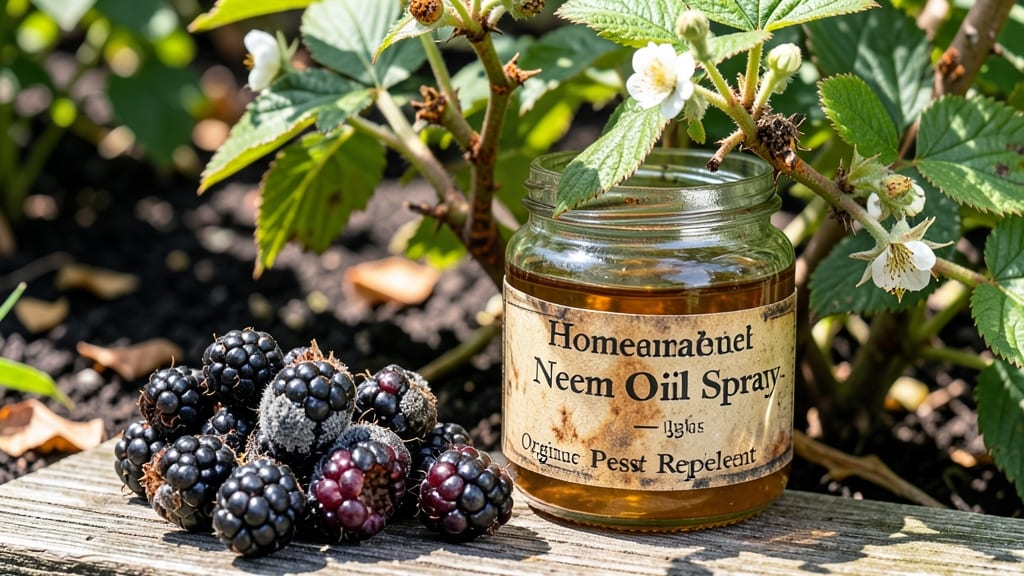
Blackberry fruit problems like moldy spots and cracked berries can ruin your harvest faster than you think—but I’ve got the fast, organic fix that stops the spread in its tracks. 🌿 Last summer, my thornless blackberries were turning from glossy purple to slimy messes overnight, and I was ready to give up.
Turns out, a few simple steps (and a little baking soda) saved my crop—and your berries can look just as good by next week.
The culprit is usually fungal spot or bird damage, but even spider mites or uneven watering can create the same sad, shriveled fruit. My biggest mistake? Waiting too long to act.
The moment you spot those dark, fuzzy patches or see berries splitting open like overripe plums, grab your spray bottle and baking soda solution—it’s the secret weapon gardeners swear by. Within 48 hours, the spread slows down, and your remaining fruit stays salvageable.
By the time you’re done, your blackberries will be plump, juicy, and free of mold, ready to pick straight off the cane. The best part? This fix works for raspberries and strawberries too, so you’re not just saving one plant—you’re protecting your whole berry patch.
No harsh chemicals, no guesswork, just a quick spray and a little patience.
Whether you’re dealing with late-season rot or early signs of trouble, this method is your go-to for fast results. Next time you see those telltale spots, don’t panic—just reach for the baking soda and follow the steps. Your berries (and your taste buds) will thank you.
Root Causes Of Blackberry Issues
Understanding why blackberries develop problems—whether it’s fungal spots, poor fruit set, or weak growth—starts with identifying the underlying triggers. These issues rarely appear in isolation; instead, they’re often the result of a mix of environmental, biological, and cultural factors.
Let’s break down the key culprits behind common blackberry fruit struggles, so you can address them effectively.
Blackberries rely on cross-pollination (often by bees) to produce fruit, but environmental factors can disrupt this process. Here’s how:
- Cold or Rainy Weather During Blooming Blackberries bloom in early spring, and temperatures below 50°F (10°C) or heavy rain can repel pollinators (like bees) or wash away pollen.
Without proper pollination, flowers drop off, leading to fewer berries or small, underdeveloped fruit. - Actionable fix: Plant bee-friendly flowers nearby (e.g., lavender, clover) to attract pollinators. If rain is forecasted during bloom, consider hand-pollinating with a soft brush.
- Extreme Heat or Drought Stress High temperatures (above 90°F/32°C) during flowering can cause flower abortion, where buds fail to develop into fruit.
Drought stress weakens plants, making them more susceptible to fungal infections (like anthracnose) that attack developing berries. - Pro tip: 💡 Mulch heavily (2–3 inches of straw or wood chips) to retain moisture and water deeply (1–1.5 inches per week) during bloom.
Fungal spots, mold, and bacterial blights are opportunistic pathogens—they exploit weak plants or favorable conditions to thrive. The most common offenders:
| Problem | Cause | Trigger Conditions |
|---|---|---|
| Anthracnose | Colletotrichum fungus infects through wounds or wet foliage. | High humidity, rain, or overhead watering. |
| Botrytis Blight | Botrytis cinerea thrives on dead tissue and damp berries. | Poor airflow, wet canopies, or injured fruit. |
| Bacterial Leaf Spot | Xanthomonas bacteria spread via rain splashes or contaminated tools. | Warm, wet weather (75–85°F / 24–29°C). |
- Why it spreads: Fungal spores hitchhike on wind, water, or garden tools, while bacteria often enter through leaf wounds (e.g., from hail or thorns).
- Prevention: 🌡️ Space plants 3–4 feet apart for airflow, avoid overhead watering, and sterilize pruners with rubbing alcohol.
Blackberries are heavy feeders, and poor soil health directly impacts fruit quality and disease resistance. Common deficiencies:
- Nitrogen (N) Deficiency
- Symptoms: Yellowing leaves (chlorosis), stunted growth, small berries.
- Why it happens: Over-pruning, poor organic matter, or leaching in sandy soils.
- Fix: Apply balanced fertilizer (10-10-10) in early spring and compost to replenish organic matter.
- Potassium (K) or Calcium (Ca) Shortage
- Symptoms: Blossom end rot (black, leathery spots on berries), weak cell walls (making fruit prone to cracking or fungal entry).
- Why it happens: Acidic soil (pH < 5.5) or uneven fertilization.
- Fix: Test soil pH (ideal: 5.5–6.5) and amend with wood ash (for Ca) or greensand (for K).
- Micronutrient Imbalances (Zinc, Magnesium)
- Symptoms: Stunted growth, distorted leaves, or poor fruit set.
- Fix: Use chelated micronutrients or Epsom salt (for Mg) sparingly.
Pests don’t just eat leaves—they transmit diseases and create entry points for infections. Key offenders:
- Japanese Beetles & Spider Mites
- Impact: Chew leaves, reducing photosynthesis and weakening plants. Damaged foliage is more susceptible to fungal infections.
- Fix: Neem oil spray or row covers during peak feeding seasons.
- Birds & Rodents
- Impact: Peck at ripe berries, causing open wounds that invite mold (e.g., Botrytis).
- Fix: Netting over fruit clusters or reflective tape to deter birds.
- Thorn Injuries
- Impact: Self-pruning from aggressive thorns can stress plants, making them vulnerable to disease.
- Fix: Prune thorns in late winter to reduce damage during growing season.
Even well-meaning gardeners can accelerate problems with these practices:
- Over-Fertilizing with Nitrogen
- Result: Lush foliage but few berries (plants prioritize leaves over fruit).
- Fix: Shift to a low-N, high-P/K fertilizer (e.g., 5-10-10) during fruiting.
- Improper Pruning
- Mistake: Cutting back too late (after buds form) or too aggressively (removing fruiting canes).
- Fix: Prune dormant season (late winter) and keep 2–3 healthy canes per plant.
- Ignoring Soil Drainage
- Problem: Waterlogged roots suffocate roots, leading to root rot (Phytophthora) and fungal spread.
- Fix: Raise beds or amend clay soil with perlite/sand for better drainage.
Not all blackberries are created equal—some varieties are more disease-prone or sensitive to environmental stress:
- Raspberry-like (Primocane) vs. True Blackberries
- Primocane types (e.g., ‘Apache’, ‘Arapaho’) fruit on new wood and are more susceptible to Botrytis if humidity isn’t managed.
- Fix: Choose disease-resistant varieties (e.g., ‘Chester’, ‘Triple Crown’) for your climate.
- Old or Weak Plants
- Issue: Overage (>5 years) or root-bound plants have reduced vigor, making them easy targets for pests/disease.
- Fix: Renew plants every 3–4 years or divide clumps to rejuvenate growth.
Key Takeaway: Blackberry problems often stem from a combination of stress factors—pollination issues, fungal pressure, or poor soil health. By identifying the specific triggers in your garden, you can target solutions (like improving airflow, adjusting fertilization, or preventing wounds) to stop the cycle fast. 🚀
Fixing Blackberry Fungal Spots Fast
Fungal spots on blackberries can turn a bountiful harvest into a frustrating mess—but don’t worry! With the right steps, you can reverse the damage, prevent further spread, and protect future crops.
Below are targeted solutions for common blackberry fungal issues, including organic fixes that work quickly and long-term prevention tips.
Problem: Leaving spotted or moldy berries on the plant spreads spores. Fix:
- 🔪 Snip or pluck infected berries (and a 1-inch border of healthy tissue) as soon as you spot them.
- 🗑️ Dispose of them in a sealed trash bag—do not compost them near your garden.
- 🌿 Prune any leaves with black or brown spots to improve airflow.
Prevention Tip: 💡 Monitor daily during humid weather. A quick check in the morning can stop outbreaks before they start.
Problem: Overhead watering or wet foliage creates the perfect breeding ground for fungi. Fix:
- 💧 Water at the base of the plant (not the leaves) using drip irrigation or soaker hoses.
- 🌞 Water early in the day (before 10 AM) so leaves dry quickly.
- ⏰ Avoid late watering—wet leaves overnight invite fungal infections.
Prevention Tip: 🌡️ Mulch around plants with straw or wood chips to reduce soil splashing onto berries.
Problem: Fungal spots need a chemical barrier to stop spreading. Fix:
- 🍃 Copper fungicide spray (approved for organic gardening) – Mix 1 tbsp copper sulfate per gallon of water and spray every 7–10 days until new growth appears.
- 🍄 Baking soda spray (for early-stage spots) – Mix 1 tsp baking soda + 1 tbsp vegetable oil + 1 quart water + a few drops of dish soap. Spray every 5–7 days.
- 🌱 Neem oil (natural fungicide & insect repellent) – Spray weekly for prevention.
Prevention Tip: ✨ Rotate treatments to avoid resistance—alternate between copper, baking soda, and neem oil.
Problem: Crowded canes and thick foliage trap moisture, speeding up fungal spread. Fix:
- ✂️ Prune old canes (more than 2 years old) to reduce overgrowth.
- 🌿 Thin out branches so air flows freely—aim for 6–8 inches between canes.
- 🌳 Train vines to grow upward (if using trellises) to keep berries off the ground.
Prevention Tip: 🎯 Plant blackberries in full sun (6+ hours/day)—better light = faster drying = fewer fungal risks.
Problem: Weak plants are more susceptible to diseases. Fix:
- 🍽️ Feed with compost (rich in phosphorus & potassium) every 4–6 weeks.
- 💧 Use fish emulsion or seaweed extract for a natural nutrient boost.
- 🌿 Add mycorrhizal fungi to the soil to strengthen roots.
Prevention Tip: 💪 Avoid nitrogen-heavy fertilizers—they promote leafy growth but weaken fruit resistance.
If 50%+ of berries are infected, act fast:
- 🛡️ Remove all infected fruit (even unripe ones).
- 🍄 Spray with a stronger organic mix (e.g., 1 tbsp hydrogen peroxide + 1 gallon water).
- 🌿 Cover plants with row fabric (if rain is forecasted) to block spores.
- 🔄 Next season, rotate crops—don’t plant blackberries in the same spot for 3+ years.
| Month | Task |
|---|---|
| Early Spring | Prune old canes, apply copper spray |
| Bloom Time | Monitor for powdery mildew, use neem oil |
| Fruiting Season | Water at base, thin canes for airflow |
| Fall | Clean up debris, add compost |
Final Pro Tip: 🌟 Healthy blackberries = happy harvests! By combining quick fixes (like removing spots) with long-term care (proper pruning & organic sprays), you’ll keep your bushes thriving—and your berries blemish-free!
Frequently asked questions
Why are my blackberries cracking open before they ripen?
Cracking usually happens when berries grow too quickly due to uneven watering or sudden rain after dry spells. To prevent this, maintain consistent soil moisture—water deeply 2-3 times per week during fruit development and mulch heavily to regulate moisture. If cracks appear, remove affected berries immediately to prevent fungal entry.
How do I tell if blackberry spots are fungal or just sun damage?
Fungal spots appear as dark, fuzzy patches that spread rapidly, while sun damage shows as dry, white or brown areas on berries exposed to direct sunlight. Check the underside of leaves too—fungal infections often show there first. If you see moldy texture, it's definitely fungal and needs treatment.
Can I still eat blackberries with small fungal spots?
Only if the spots are very minor and the rest of the berry looks healthy. Cut out the affected areas and wash thoroughly before eating. However, if the spot is large or the berry feels mushy, discard it—fungal spores can make you sick. Better to save questionable berries for cooking where heat will kill any pathogens.
What's the fastest way to stop birds from pecking my blackberries?
Cover the plants with fine netting (¼-inch mesh) as soon as berries start forming. For a quick fix, try reflective tape or old CDs hung near the plants—the flashes scare birds away. Remove any pecked berries immediately to prevent fungal rot from open wounds.
Will my blackberry plants recover if I treat fungal spots late in the season?
You can still save some berries by removing infected fruit and applying copper fungicide immediately, but late-season treatment won't restore plant vigor for next year. Focus on cleaning up all plant debris in fall, applying compost, and pruning properly in winter to rebuild plant health for the next harvest.