
Pests and Diseases
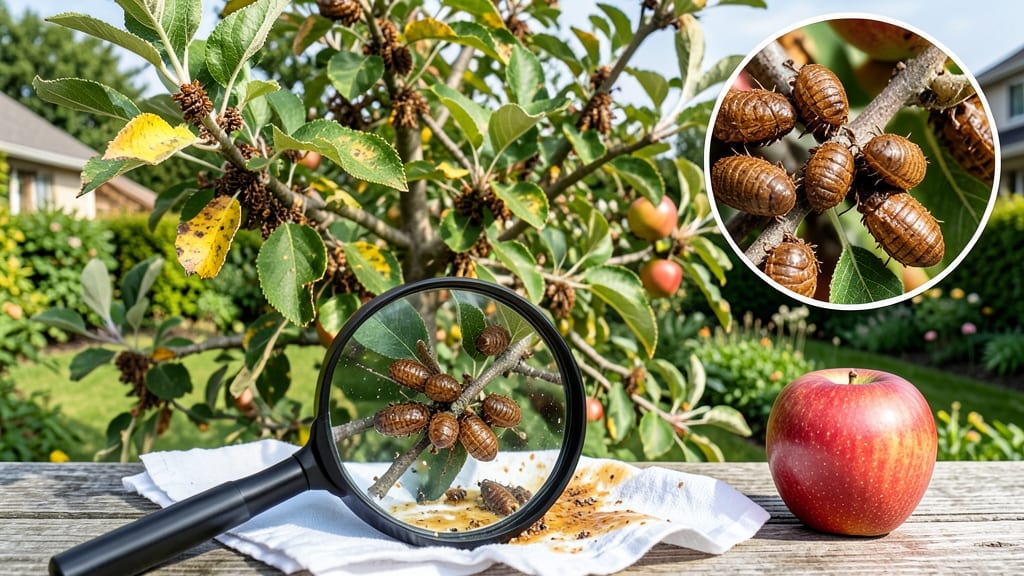
Apple scale fruit ruins harvests with sticky messes and stunted growth—until you know the right organic sprays to revive your trees. 🌿 I’ve watched my prized orchard trees go from glossy green to sad and sticky, but these targeted treatments bring them back to healthy, productive glory in just a few applications.
The problem starts small: tiny bumps on leaves and branches that multiply fast, leaving behind a shiny, honeydew-like residue. If ignored, your fruit shrinks, ripens unevenly, and may even drop prematurely. The good news? Organic sprays—like neem oil or horticultural oil—smother these pests without harming bees or your soil.
By mid-summer, you’ll see fresh growth pushing out, leaves regaining their shine, and fruit swelling back to normal size. The key is timing: apply sprays in early spring (before buds swell) and again after harvest to break their life cycle.
Works for home gardeners and small orchards alike—no fancy equipment needed. Let’s get those trees thriving again.
Root Causes of Fruit Scaling
When your apple trees develop unsightly, waxy scales on their fruit, it’s often a sign of environmental stress or pest activity. Understanding the why behind this issue is the first step to preventing it.
Below, we break down the most common causes—each with a scientific twist and actionable insights to help you take control.
Apples thrive in stable conditions, but sudden shifts in temperature or humidity can trigger waxy scale buildup as a protective response. Here’s how it works:
- Heat Stress: When daytime temperatures soar above 90°F (32°C), the fruit’s natural wax layer thickens to retain moisture and prevent dehydration. This can create a glossy, scale-like appearance.
- Humidity Swings: Low humidity (<30%) causes the fruit’s cuticle to harden and form scales, while high humidity (>70%) can promote fungal growth that mimics scaling (e.g., powdery mildew).
- Nighttime Chill: Rapid temperature drops (e.g., from 85°F to 55°F in hours) stress the fruit, prompting the tree to overproduce wax as a defense.
Actionable Fix:
- Use shade cloth (30-50% coverage) during peak heat to moderate temperature swings.
- Install a weather station near your orchard to monitor humidity trends and irrigate early morning to extend moisture retention.
- Apply a light horticultural oil spray (like Neem oil) to soften hardened wax layers without harming the fruit.
Not all scaling is environmental—some pests physically alter the fruit’s surface to lay eggs or feed. The culprits?
| Pest | How It Causes Scaling | Signs to Watch For |
|---|---|---|
| Apple Scab (Venturia inaequalis) | Fungal spores embed in the fruit’s wax layer, creating dark, rough scales as the infection spreads. | Olive-green to black spots that pucker the skin; scales feel grainy. |
| Coddling Moth (Cydia pomonella) | Larvae bore into the fruit, causing the skin to harden and scale around entry points as a healing response. | Small holes with frass (sawdust-like debris); scales near the stem end. |
| Scale Insects (Quadraspidiotus perniciosus) | These sap-sucking pests excrete honeydew, which hardens into a glossy, waxy scale as it ferments. | Sticky residue on leaves/fruit; white, cottony patches under scales. |
Actionable Fix:
- For fungal scab, apply copper fungicide (like Cueva) before bloom and repeat every 10–14 days.
- Disrupt moth larvae with pheromone traps or kaolin clay sprays to deter egg-laying.
- Knock off scale insects with a strong water blast (1,500 PSI) or use dormant oil in late winter.
Water—too much or too little—can turn your apples into textured art. Here’s the science:
- Underwatering: When roots struggle to absorb moisture, the fruit overproduces cutin (a waxy polymer) to lock in humidity, resulting in thick, cracked scales.
- Overhead Watering: Splashing water onto leaves/fruit can dilute natural waxes and create uneven scaling as the fruit “repairs” itself.
- Poor Drainage: Waterlogged soil forces the tree to stress-shield the fruit, leading to bumpy, scaled textures.
Actionable Fix:
- Switch to drip irrigation to deliver water directly to roots and avoid wetting fruit.
- Mulch with wood chips (3–4 inches deep) to retain moisture and regulate soil temperature.
- Test soil moisture with a moisture meter—aim for 40–60% field capacity during growing season.
Herbicides, pesticides, or even well-intentioned organic sprays can leave behind residues that alter the fruit’s surface chemistry. Here’s how:
- pH Imbalance: Sprays with extreme pH (e.g., vinegar-based solutions) can denature the fruit’s wax, causing it to flake or scale.
- Silica Buildup: Overuse of silica-rich sprays (like potassium silicate) can harden the cuticle into a glossy, scaled layer.
- Solvent Trapping: Oils or synthetic pesticides can clog stomata (fruit pores), forcing the tree to secrete protective scales.
Actionable Fix:
- Rinse fruit 24 hours post-spray with soft water (low mineral content) to remove residues.
- Use food-grade hydrogen peroxide (3%) as a gentle rinse to break down chemical buildup.
- Rotate sprays with baking soda solution (1 tbsp/gallon) to neutralize pH between treatments.
Quick Fixes for Scale-Infested Fruit
Apple scale fruit isn’t just an eyesore—it weakens trees, stunts growth, and ruins harvests. But the good news? With the right approach, you can reverse the damage and protect your orchard naturally.
Below, we break down targeted solutions for each cause, from organic sprays to cultural fixes, plus prevention tips to keep scales away for good.
If scales have already taken hold, homemade or commercial organic sprays can smother them without harming your fruit or the environment.
🍳 DIY Horticultural Oil Spray (Best for Early Stages)
Why it works: Scales suffocate when coated in a thin oil layer, cutting off their access to sap. How to make it:
- Mix 1 tablespoon of horticultural oil (like neem or refined soybean oil) with 1 teaspoon of mild liquid soap (as an emulsifier).
- Add 1 quart of water and stir well.
- Spray thoroughly on both sides of leaves and bark, focusing on cracks and crevices where scales hide.
- Apply in the evening (oil can burn leaves in direct sunlight) and repeat every 7–10 days until scales disappear.
✨ Pro Tip: Test on a small branch first—some trees (like peaches) are sensitive to oil sprays.
👨🍳 Neem Oil Solution (Natural Repellent & Growth Disruptor)
Why it works: Neem oil disrupts scale insects’ life cycle and deters new infestations. Recipe:
- 1 tablespoon neem oil
- 1 teaspoon castile soap
- 1 quart water
- Optional: Add 1 tsp garlic or chili powder (scales hate the smell!)
Application:
- Spray early morning or late evening (avoid direct sun).
- Reapply every 5–7 days for 3–4 weeks.
- Best for: Soft scales (like oystershell or cottony cushion scales).
💡 Prevention Hack: Mix neem oil with water (1:10 ratio) and spray preventatively in spring before scales appear.
If scales have overrun branches, aggressive pruning can starve the infestation by removing their food source.
⏰ Step-by-Step Pruning Guide
- Identify Infested Branches – Look for sticky residue (honeydew), black sooty mold, or visible scale clusters.
- Cut Back Severely – Remove entire branches (not just leaves) where scales are dense.
Use sterilized pruners (wipe with rubbing alcohol between cuts). 3. Burn or Bag Infested Debris – Do NOT compost—scales can survive in yard waste. 4. Seal Wounds – Apply pruning sealant (optional) to larger cuts to prevent secondary infections.
⚠️ Warning: Avoid pruning during scale active season (spring–summer)—they’ll just spread to fresh cuts!
🔪 Scrubbing Off Scales (For Small Trees)
- Use a soft brush or sponge dipped in soapy water (1 tsp dish soap per gallon).
- Gently scrub bark and leaves where scales cluster.
- Rinse thoroughly to avoid soap buildup.
Nature’s pest control can outcompete scales without chemicals.
🐞 Ladybugs & Parasitic Wasps
- Release ladybugs (they eat both scales and aphids).
- Hang parasitic wasp traps (like Aphytis melinus)—they lay eggs inside scales, killing them from within.
- Best time to introduce: Early spring before scales peak.
🎯 Sticky Traps for Adult Flies
- Place yellow sticky traps near trees to catch scale insects before they land.
- Replace every 2–3 weeks for maximum effectiveness.
The easiest battles are the ones you avoid. Here’s how to keep scales off your fruit trees for good:
| Prevention Step | How to Do It | Best Time |
|---|---|---|
| Sanitation | Remove all fallen leaves/debris from under trees. | Fall & Winter |
| Reflective Mulch | Use white plastic or gravel mulch to confuse and deter scale insects. | Spring Planting |
| Healthy Soil | Compost regularly—stressed trees attract pests. | Year-Round |
| Dormant Oil Spray | Apply horticultural oil in late winter (before buds swell). | February–March |
| Companion Planting | Plant garlic, chives, or marigolds near trees—they repel scales. | Spring |
🌿 Bonus Tip: Avoid over-fertilizing with nitrogen—soft, fast-growing leaves attract more scales!
Final Note: Patience is key—scales can take 3–4 weeks to fully eradicate. Stick with consistent spraying, pruning, and prevention, and your trees will bounce back stronger than ever! 🍏💚
Frequently asked questions
Why does my apple fruit develop a waxy, scaled appearance even when I don’t see any pests?
Extreme heat (90°F+) or rapid temperature swings force fruit to overproduce natural wax as a moisture-retaining defense. Low humidity (<30%) can also cause the cuticle to harden into scales. Check for environmental stress first—shade cloth or consistent irrigation often solves this without pesticides.
Can I still eat apples with scale insects or sticky residue?
Yes, but wash thoroughly! The scales themselves aren’t harmful, but the sticky honeydew they produce can attract mold. Scrub fruit with baking soda solution (1 tbsp/gallon) or soak in vinegar-water mix (1:3 ratio) for 10 minutes before eating. Peel if concerned about residue.
How do I know if my apple tree has scale insects vs. environmental scaling?
Check for these clues: Scale insects leave white cottony patches under scales and sticky honeydew on leaves. Environmental scaling appears smooth and glossy without pests. Tap branches over white paper—if black specks (frass) appear, it’s likely insect activity.
Will neem oil harm bees if I spray for scale insects?
Neem oil is low-risk to bees when applied correctly. Spray only after sunset when bees aren’t active, and avoid flowering trees. For extra safety, use bee-friendly alternatives like kaolin clay (surround WP) which creates a physical barrier without chemicals.
How often should I inspect my apple trees for scale insects?
Check trees every 2 weeks during growing season (spring-fall). Focus on new growth, undersides of leaves, and fruit stems—these are scale hotspots. Early detection means faster treatment. Keep a magnifying glass handy; scales are tiny (1/16 inch) when young.