
Trees
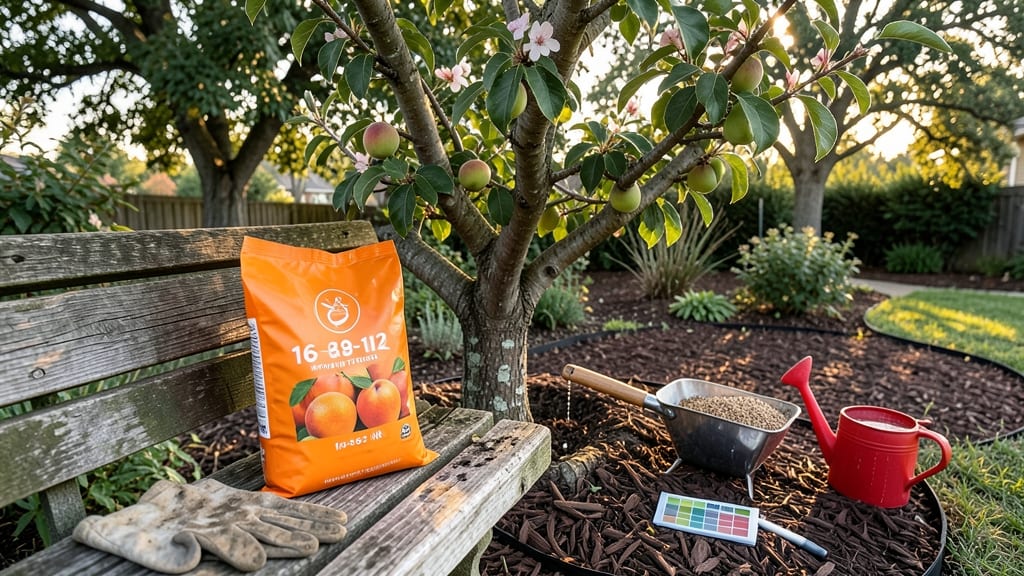
Fertilizing stone fruit trees 🍑 at the right time is the difference between a bountiful harvest and a disappointing one—because timing matters more than most gardeners realize.
You’ve spent months nurturing your peach or plum tree, only to watch blossoms drop or fruit stay small. That’s not bad luck—it’s often a mismatch between your feeding schedule and the tree’s natural growth cycle. The key? Syncing fertilization with chill hours and seasonal shifts, not just calendar dates.
In this guide, I’ll walk you through the exact windows for feeding—from early spring’s bud break to post-harvest recovery—and how to choose between organic and synthetic options based on your soil and climate. No guesswork, just science-backed timing for bigger, sweeter fruit.
Ready to turn last year’s missed harvest into this year’s trophy peaches? Let’s get started with the three critical fertilization phases every stone fruit tree needs.
Best fertilization timeline for stone fruit trees by chill-hour requirements
Stone fruit trees—peaches, plums, and cherries—thrive when fertilized at the right moments, but their chill-hour requirements (300-900 hours) dictate when to feed. Trees with low chill hours (300-500), like apricots, need earlier fertilization than high-chill varieties (700-900), such as sweet cherries.
Miss these windows, and you risk poor blooms or weak fruit set. Let’s break down the perfect schedule to fuel your tree’s growth without overdoing it.
Your fertilization plan should sync with the tree’s natural cycle: early spring for bud break, post-bloom for fruit development, and late summer for root strengthening. Organic options like compost or fish emulsion work well in spring, while synthetic balanced NPK (10-10-10) fertilizers suit summer needs.
Always apply fertilizer in early morning to avoid leaf burn and ensure nutrients soak into moist soil.
Chill-hour requirements determine your first feeding window. Trees needing 300-500 chill hours (e.g., low-chill peaches) can start fertilizing as early as late winter (February), while 700-900 hour varieties (e.g., tart cherries) wait until early spring (March-April). Use a soil thermometer to confirm soil temps are above 50°F before applying fertilizer.
| Season | Chill Hours | Fertilizer Type | When to Apply | Key Notes |
|---|---|---|---|---|
| Early Spring | 300-900 | Organic (compost, fish emulsion) or 10-10-10 | 2-4 weeks after bud break | Promotes new growth; avoid high nitrogen |
| Post-Bloom | All | Balanced (8-3-9) or fruit-specific | 6-8 weeks after bloom | Supports fruit development; reduce nitrogen |
| Late Summer | All | Slow-release (organic or synthetic) | August-September | Strengthens roots for winter |
| Fall/Winter | All | None | Dormant season | Focus on mulching, not fertilizing |
For low-chill stone fruits (300-500 hours), like apricots or low-chill peaches, your first fertilization should happen in late February to early March. Use a light application of organic matter (e.g., well-aged compost) to wake up roots without shocking the tree.
High-chill varieties (700-900 hours, such as sour cherries) wait until mid-to-late March, aligning with their later bud break.
Post-bloom is critical for fruit development. Apply a balanced fertilizer (8-3-9 NPK) or a fruit-specific blend 6-8 weeks after blooms appear. This timing ensures your tree directs energy toward fruit growth, not just leaves.
Avoid high-nitrogen fertilizers here—they’ll encourage foliage over fruit. For organic gardeners, kelp meal or bone meal provides phosphorus for root and fruit development.
In late summer (August-September), switch to a slow-release fertilizer or organic amendments like worm castings to fortify roots before winter. This is also the time to test soil pH (ideal: 6.0-7.0 for stone fruits).
If your soil is too acidic, add lime; if alkaline, use sulfur. Never fertilize in fall or winter—dormant trees won’t use nutrients, and new growth can’t harden off before frost.
Young stone fruit trees (1-3 years old) need smaller, more frequent feedings—think quarter-cup applications every 6 weeks. Mature trees (4+ years) can handle half-cup doses but benefit from soil testing to avoid over-fertilizing.
Always water deeply after applying fertilizer to prevent root burn. For container-grown stone fruits, use a water-soluble fertilizer diluted to half-strength to avoid salt buildup.
Watch for signs of over-fertilization, like yellowing leaves or excessive leaf growth with few fruits. Adjust by reducing nitrogen or spacing out feedings. Under-fertilized trees show small leaves or
How to adjust fertilizer type and application based on tree age and soil health
Young stone fruit trees—like peaches and plums—need gentle, nutrient-rich feeding to establish strong roots, while mature trees require balanced nutrition to support heavy fruit production. The key? Adjusting fertilizer based on tree age and soil health.
A soil test reveals deficiencies like zinc or boron, which can stunt blooms or fruit set if ignored.
For young trees (1-3 years old), focus on organic matter like compost or well-rotted manure. These amendments improve soil structure and provide slow-release nutrients. Mature trees (4+ years) benefit from balanced fertilizers with higher phosphorus and potassium to boost flowering and fruit development.
🌱 Pros and Cons of Fertilizer Choices for Stone Fruit Trees
Soil health is non-negotiable. If your soil test shows low organic matter (1-2%), amend with compost or aged manure. For sandy soils, use slow-release fertilizers to prevent nutrient loss. Clay soils benefit from gypsum to improve drainage before applying fertilizer.
Watch for signs of nutrient deficiencies. Yellowing leaves between veins signal iron deficiency, while small, deformed fruit hints at boron or zinc shortages. Address these with targeted amendments—like chelated iron or borax—applied in early spring or late summer.
For young trees, apply fertilizer in a wide band 12 inches from the trunk. Mature trees need a ring method: scatter granules in a circle matching the tree’s drip line. Always water deeply after applying to activate nutrients and prevent root burn.
Timing matters too. Feed young trees in early spring (before buds swell) and late summer (after harvest). Mature trees can handle a third feeding in early fall to build reserves for next year’s blooms. Avoid fertilizing in winter—your tree’s dormant, and new growth will struggle in cold weather.