
Fertilization
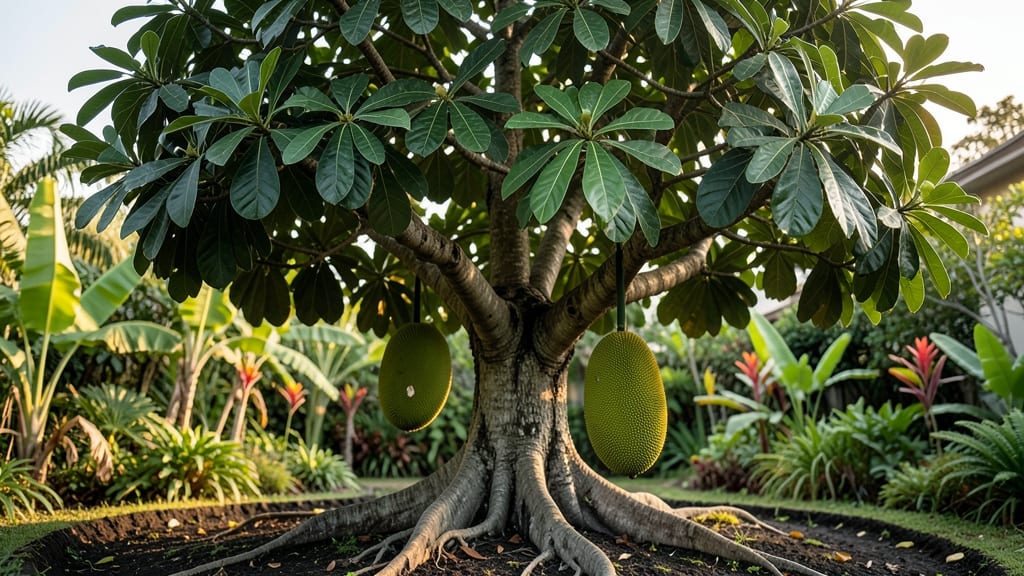
The largest fruit in the world is the pumpkin, with the heaviest recorded specimen weighing over 2,624 pounds (1,190 kg) in 2021. Giant pumpkins grow on vines and require precise cultivation techniques to reach record-breaking sizes.
The title "largest fruit" might surprise you—after all, we usually think of tropical fruits like watermelons or coconuts.
But pumpkins win the size competition thanks to their unique botanical structure and cultivation methods. 🌱 These massive gourds aren't just big; they're engineered through selective breeding and intensive care, often requiring acres of land and specialized techniques.
The world record pumpkin, grown by Canadian farmer Beni Meuleman, took over 100 days to reach its monstrous size, proving that patience and precision pay off in the garden.
What's fascinating is how these giants grow: they develop from a single ovary containing thousands of seeds, and their rapid expansion depends on perfect environmental conditions. Unlike smaller pumpkins, record-breakers need consistent moisture, rich soil, and protection from pests—making them more of a horticultural project than a typical backyard crop.
Many competitive growers join clubs like the Great Pumpkin Commonwealth to share tips and celebrate their harvests.
💡 In This Article
- How Giant Pumpkins Grow: Science and Cultivation Secrets
- World Record Pumpkins: Growing and Harvesting Tips for Gardeners
How giant pumpkins grow: science and cultivation secrets
Giant pumpkins reach their massive sizes through a combination of genetics and precise environmental control. These record-breakers are typically grown from hybrid seeds specifically bred for rapid growth and large fruit development. The key is maximizing the plant's ability to photosynthesize and transport nutrients.
Unlike smaller pumpkins, giants require 10-20 feet of vine spread and can develop 100+ leaves, each acting as a solar panel to fuel growth. The plant's vascular system expands dramatically, with some stems reaching 1-2 inches in diameter to support the weight.
The growth process begins with pollination, where growers often use paintbrushes to manually transfer pollen between male and female flowers to ensure optimal fertilization. This careful hand-pollination creates a single, massive fruit instead of multiple smaller ones.
Soil plays a critical role too—giant pumpkins thrive in well-draining, nutrient-rich loam with a pH of 6.0-6.8. Growers use compost, manure, and balanced fertilizers (like 10-10-10 NPK) to provide steady nutrition, while maintaining consistent moisture through drip irrigation systems that deliver 1-2 inches of water per week.
The vines need full sun exposure, with 8-10 hours of direct sunlight daily to fuel their rapid expansion.
What's surprising is how these giants develop their structure. The outer rind thickens as the fruit grows, reaching 1-2 inches in thickness to support the weight. Inside, the flesh remains relatively thin (0.5-1 inch) compared to the massive cavity.
The seed cavity can hold hundreds of seeds, each weighing 0.5-1 ounce individually. This internal architecture allows the pumpkin to grow without becoming top-heavy. The growth rate accelerates during the final 6-8 weeks, when the pumpkin can gain 50-100 pounds per week under ideal conditions.
Temperature control is another critical factor. Giant pumpkins grow best in regions with warm days (75-85°F) and cool nights (60-65°F). Extreme heat or cold can stunt growth or cause blossom end rot. Many competitive growers use row covers or shade cloths to protect young plants from temperature fluctuations.
The entire growing season typically spans 100-120 days from planting to harvest, with the final weeks being the most critical for size development. 🌱
One fascinating adaptation is the pumpkin's ability to redirect nutrients. When growing multiple fruits, the plant prioritizes the largest developing pumpkin by stopping nutrient flow to smaller fruits. This is why competitive growers often remove all but one pumpkin per vine—allowing the remaining fruit to monopolize the plant's resources.
The result is a single, massive specimen that can weigh 500-2,000+ pounds, depending on growing conditions and genetic potential.
Advanced growers also use techniques like vine pruning to direct energy toward fruit development rather than foliage. By removing lateral shoots and excess leaves, growers create a more efficient plant structure that focuses energy on the main fruit.
Some even use plastic mulch to warm the soil and extend the growing season. These methods turn pumpkin cultivation into a precise science, where every variable—from soil composition to pollination timing—must be optimized for maximum growth.
What most people don't realize is that giant pumpkins aren't just about size—they're about structural integrity. The world record pumpkin had to support its own weight without collapsing, which required perfect balance between rind thickness and internal cavity development.
This engineering feat is what makes these giants truly remarkable in the plant kingdom. 💫