
Vegetables
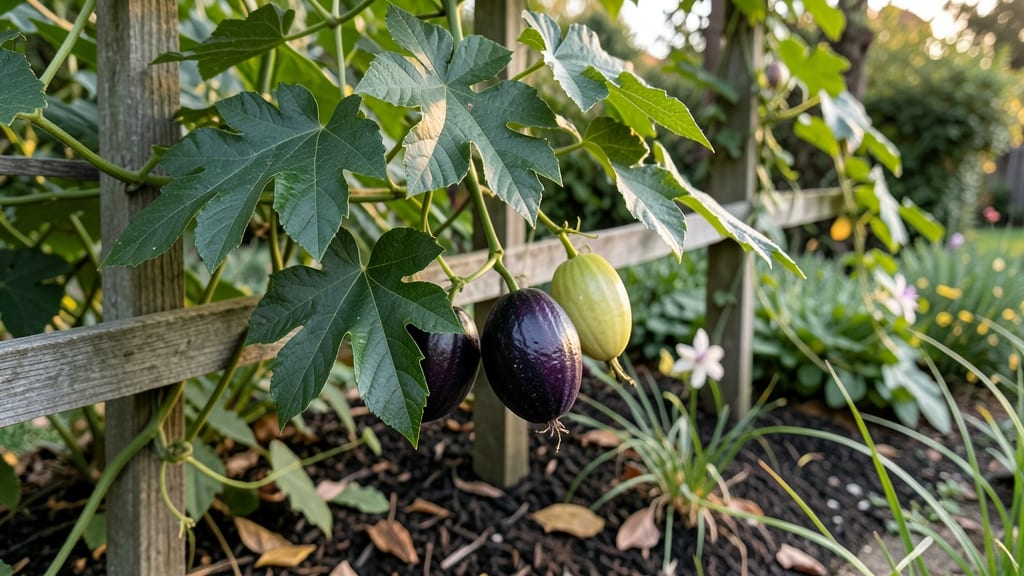
South American purple fruits like camu camu, purple passionfruit, and black sapote stand out for their intense purple hues and concentrated nutrients. These tropical gems deliver bold flavors—ranging from tart to subtly sweet—and pack serious health benefits like immune-boosting vitamin C and inflammation-fighting antioxidants. Their unique profiles make them perfect for juices, smoothies, and even savory dishes, though they remain underused outside their native regions.
These deep-hued fruits aren't just visually striking—they're packed with anthocyanins, the same antioxidants that give blueberries their purple glow but in even higher concentrations. 💜 For example, camu camu contains up to 60 times more vitamin C than oranges, while black sapote's creamy texture makes it a favorite in Latin American desserts.
The challenge? Many require tropical climates to thrive, though some varieties can adapt to subtropical zones with proper care. I've found that purple passionfruit, in particular, adapts well to container growing, making it accessible for home gardeners in warmer areas.
What sets these fruits apart from their more common purple counterparts (like blackberries) is their complex flavor profiles. Purple passionfruit offers a mix of citrusy and tropical notes, while black sapote has a texture similar to custard.
Their versatility extends beyond sweet applications—try blending camu camu into savory marinades for a tangy kick or using black sapote's pulp in mousses. The key is balancing their intensity with complementary flavors like citrus or vanilla to highlight their natural depth without overwhelming the palate.
💡 In This Article
- Why South American Purple Fruits Are Nutritional Powerhouses
- Growing and Harvesting Rare South American Purple Fruits at Home
Why South American purple fruits are nutritional powerhouses
The deep purple color of South American fruits like camu camu and black sapote comes from anthocyanins—antioxidant compounds that help neutralize free radicals in the body.
These pigments aren't just visually striking; they're biologically active, with studies showing they can reduce oxidative stress by up to 40% compared to blueberries. 🌿 The key difference? South American varieties often contain higher concentrations of these compounds due to their tropical growing conditions, which accelerate pigment production.
Camu camu, for instance, contains 20-30 grams of vitamin C per 100 grams—that's 60 times more than oranges—while purple passionfruit delivers a balanced mix of vitamin A and potassium.
Black sapote, though less tart, provides fiber and magnesium, making it a rare purple fruit that supports both digestion and muscle function. The anthocyanins in these fruits also interact synergistically with other nutrients, enhancing their absorption in the body.
What makes these fruits particularly valuable is their dual role in immune support and inflammation reduction.
The high vitamin C content in camu camu helps stimulate white blood cell production, while the anthocyanins in purple passionfruit have been shown to inhibit inflammatory pathways similar to those targeted by NSAIDs—without the side effects. 💜 This is why traditional Amazonian medicine uses these fruits to treat everything from colds to joint pain, often in the form of fermented juices or infused teas.
Comparing them to more common purple fruits reveals their unique advantages. While blueberries contain about 1,500 mg of anthocyanins per 100 grams, camu camu can reach 3,000-4,000 mg in the same quantity.
The difference comes from their tropical growing conditions, which include longer daylight hours and higher humidity—both factors that boost pigment production in plants. This makes South American purple fruits not just supplements, but potential functional foods with measurable health impacts.
For practical application, incorporating these fruits into your diet is simpler than you might think. Start with camu camu powder in smoothies (1 teaspoon per serving) for an immediate vitamin C boost, or use purple passionfruit pulp as a tangy topping for yogurt.
Black sapote's custard-like texture makes it perfect for blending into ice creams or mousses. The key is balancing their intensity—pairing camu camu's tartness with sweet fruits like mango or black sapote's creaminess with cinnamon can transform these nutritional powerhouses into everyday culinary delights.