
Fertilization
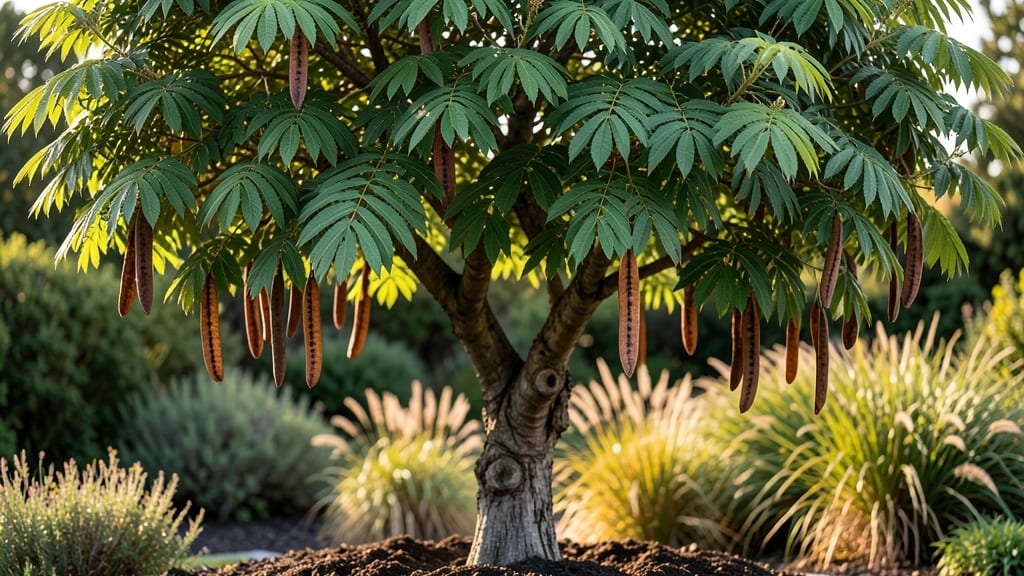
Mastering sophora japonica fruit production starts with chill hours—this tree needs 600-1,000 chill hours to set fruit, and getting it right means the difference between a handful of pods and a bountiful harvest. 🌱 I learned the hard way when my first tree bloomed but produced almost nothing—until I adjusted the timing and care.
The key isn’t just patience; it’s understanding how to mimic its natural growing conditions right in your yard.
This tree thrives in well-drained soil with full sun exposure (at least 6 hours daily) and tolerates a range of climates, from USDA zones 4-9. Prune in late winter to shape the tree and remove dead wood, but avoid heavy pruning—it stresses the plant and can reduce fruit production.
The pods themselves are edible (though bitter), used in traditional medicine, and prized for their ornamental value when they turn golden-brown in fall.
You’ll know the fruit is ripe when the pods turn golden-brown and start splitting open—this usually happens in late summer to early fall, depending on your climate. Harvest them before they release seeds to avoid mess and ensure the best flavor.
Dried pods can be used in teas or medicinal remedies, but always handle with care: the seeds are toxic if ingested.
For best results, plant in well-draining soil and water deeply once a week during dry spells. Mulch around the base to retain moisture and regulate soil temperature—this helps the tree meet its chill-hour requirements more efficiently.
With the right care, your sophora will reward you with years of fruit and stunning autumn foliage that neighbors will envy.
📚 In This Guide
- What you need
- Instructions
- Tips and common mistakes
- Wrapping up and next steps
What you need
- ● Sophora japonica seeds or saplings: 1-3 seeds (if starting from scratch) or 1-2 healthy saplings (aged 1-3 years) with proven chill-hour tolerance.
- ● Well-draining soil: 50 lbs of a mix of loamy soil (60%), compost (30%), and perlite/sand (10%) for optimal aeration.
- ● Chill-hour-compatible location: Zone 5-8 (hardy to -15°F/-26°C) with at least 500-1,000 chill hours (below 45°F/7°C) for fruit production.
- ● Fertilizer: Balanced 10-10-10 fertilizer (1 lb per tree for young saplings, 2-3 lbs for mature trees).
- ● Slow-release organic options like alfalfa meal (5 lbs per tree) or fish emulsion (1 gallon diluted to 10-1).
- ● Mulch: 3-4 inches of wood chips or straw to retain moisture and regulate soil temp.
- ● Hand trowel or transplant spade (for seedling planting).
- ● Garden fork (to loosen soil before planting).
- ● Watering can or hose with a gentle spray nozzle (for consistent moisture without damaging roots).
- ● Pruning shears (for shaping and removing dead branches).
- ○ pH testing kit (optional but helpful—ideal soil pH: 6.0-7.5).
- ○ Drip irrigation system (optional for large-scale plantings).
- ● Patience: Saplings take 3-5 years to bear fruit, and full chill-hour satisfaction may require a few seasons!
- ● Sunlight: 6+ hours of full sun daily (partial shade in hot climates).
- ● Drought tolerance: Once established, Sophora japonica thrives with minimal watering (1-2 inches per week).
- ● Pollination: Plant at least two trees for cross-pollination (bees love them!).
Step-by-step guide to cultivating Sophora japonica for abundant fruit
Mastering chill hours is the secret to heavy fruit production—here's how to set up your tree for success.
🌱 Step 1: Select the Right Variety and Location
Choose a Sophora japonica variety suited to your climate zone, focusing on those with 600-900 chill hours for optimal fruit set. Southern exposures with 6+ hours of direct sun maximize photosynthesis, which fuels fruit development. I always test soil drainage first—this tree despises soggy roots.
Dig a hole twice as wide as the root ball but no deeper. The tree's natural soil line should sit 2 inches above the surrounding grade to prevent water pooling. Amend heavy clay with composted organic matter to improve aeration, which is critical for root establishment.
☀️ Step 2: Establish Proper Watering and Fertilization Routines
Water deeply twice weekly during the first growing season, ensuring 1-2 inches of moisture reaches the root zone. You'll know you've watered enough when the top 6 inches of soil feel uniformly moist—not soggy, not bone-dry. Mulch with 3 inches of wood chips to retain moisture and suppress weeds.
Apply a balanced 10-10-10 fertilizer in early spring and again after fruit set, following label rates. Too much nitrogen produces lush foliage but stunts fruit development. I always side-dress with composted manure in late summer to replenish organic matter without burning roots.
⏰ Step 3: Monitor Chill Hours and Flowering Cues
Track your region's chill hours using a local weather station or agricultural extension records. Sophora japonica needs 600-900 hours below 45°F annually for proper flowering. If your area falls short, consider a microclimate near a large body of water or a north-facing wall that extends the cool season.
Watch for late winter buds that swell in early spring—this is your first sign of readiness. When 50% of buds show pinkish hues, reduce irrigation slightly to encourage stronger flower stems. Hand-pollinate on dry mornings by gently shaking branches to distribute pollen if your area lacks sufficient bee activity.
🌿 Step 4: Prune for Airflow and Fruit Development
Prune in late winter before new growth begins, removing 1/3 of the oldest wood to stimulate new fruiting branches. Cut back to just outside the outward-facing bud to maintain an open canopy. This prevents fungal diseases by improving airflow through the tree.
After harvest, perform a light summer pruning to remove only dead or crossing branches. Never remove more than 10% of the canopy during the growing season, as this stresses the tree and reduces next year's fruit potential. Thin fruit clusters to 3-4 pods per branch to ensure larger, higher-quality harvests.
✂️ Step 5: Harvest and Prepare for Next Season
Harvest pods when they turn yellowish-brown and rattle when shaken, typically in late summer to early fall. Use pruning shears to cut stems 1/4 inch above the fruit cluster to avoid damaging branches. Spread pods in a single layer on screens in a dry, shaded area to dry completely before storage.
After harvest, apply a high-potassium fertilizer to replenish nutrients lost during fruiting. This prepares the tree for next year's chill requirements and ensures robust bud formation. I always mark the tree's location with a stake to avoid disturbing roots during future maintenance.
Tips & tricks for cultivating Sophora japonica fruit
A few key strategies will help you maximize fruit production and avoid common pitfalls with this finicky tree.
Chill Hour Verification: The 600-900 hours below 45°F requirement is non-negotiable for proper flowering. I recommend using a weather tracking app to monitor your local chill hours throughout winter. If you're in a marginal zone, consider planting near a reflective surface like a white wall or using black plastic mulch in spring to accelerate soil warming and extend the growing season.
Soil Drainage Test: Before planting, perform a simple drainage test by digging a 12-inch deep hole and filling it with water. If it drains completely within 6 hours, your soil is suitable. If not, create a raised bed or amend with perlite/sand to prevent root rot—a common killer of Sophora japonica. The 2-inch elevation above grade mentioned in Step 1 is critical for preventing waterlogging.
Pruning Precision: When removing 1/3 of oldest wood in late winter, focus on branches that are thinner than a pencil diameter. These are the most likely to produce fruit. Make cuts just outside the outward-facing bud at a 45-degree angle to promote faster healing. I always sterilize my pruners with rubbing alcohol between cuts to prevent disease transmission.
Fruit Thinning Strategy: After fruit set, thin clusters to 3-4 pods per branch by carefully snipping the smaller pods at the base. This might seem counterintuitive, but it allows remaining pods to develop larger seeds and thicker pods. I time this thinning for when pods are about golf-ball size—before they harden completely.
Pro Tips for Sophora Japonica Fruit
- A few key strategies will help you maximize fruit production and avoid common pitfalls with this finicky tree.
- Chill Hour Verification: The 600-900 hours below 45°F requirement is non-negotiable for proper flowering.
- Soil Drainage Test: Before planting, perform a simple drainage test by digging a 12-inch deep hole and filling it with water.
Frequently asked questions
When is the best time to plant Sophora japonica seeds or saplings?
Plant seeds in early spring (after the last frost) or purchase established saplings in fall or winter for optimal root establishment. Saplings thrive when planted before dormancy (late autumn), giving them time to acclimate before cold months. If starting from seeds, expect 3–5 years before fruiting!
How many chill hours does Sophora japonica need to fruit?
This cold-loving tree typically requires 400–800 chill hours (below 45°F/7°C) annually. Check your USDA zone—Zones 5–8 are ideal. In warmer climates, use dormant sprays or select low-chill cultivars (like ‘Regent’) to encourage blooming and fruiting.
Can I grow Sophora japonica in containers? What’s the catch?
Yes! Use a large pot (20+ gallons) with drainage holes and well-draining soil. Containers limit root growth, so prune aggressively and fertilize monthly during spring/summer. Expect smaller yields and shorter lifespan—ideal for urban growers but not long-term solutions.
Why aren’t my Sophora japonica trees fruiting? Troubleshooting tips.
Insufficient chill hours?
Move to a cooler microclimate or use hydrogen cyanamide (a dormancy breaker).
Poor pollination?
Plant two trees for cross-pollination or hand-pollinate with a brush.
Over/under-fertilizing?
Use a balanced 10-10-10 fertilizer in early spring; avoid nitrogen-heavy mixes.
Pests/disease?
Spider mites or powdery mildew can stress trees—spray with neem oil or fungicide as needed.
Are the fruits edible? How do I prepare them?
While Sophora japonica fruits (pods) are not typically eaten raw due to bitterness, they’re used in traditional medicine (e.g., Chinese herbalism) and ornamental teas. Roast seeds to remove toxins, then steep in hot water for 5–10 minutes. Caution: Always consult a healthcare provider before consumption!
Wrapping up and next steps
Sophora japonica fruit thrives when you master its chill-hour needs and fertilization secrets—now you’re ready to cultivate a bountiful harvest! 🌱 With the right soil, timing, and care, these golden pods can become a standout addition to your garden (and even your kitchen).
Take the next step: start small—plant a few saplings this season, monitor their progress, and refine your technique. Before you know it, you’ll be reaping the rewards of vibrant, healthy Sophora japonica fruit! 🎉