
Flowers
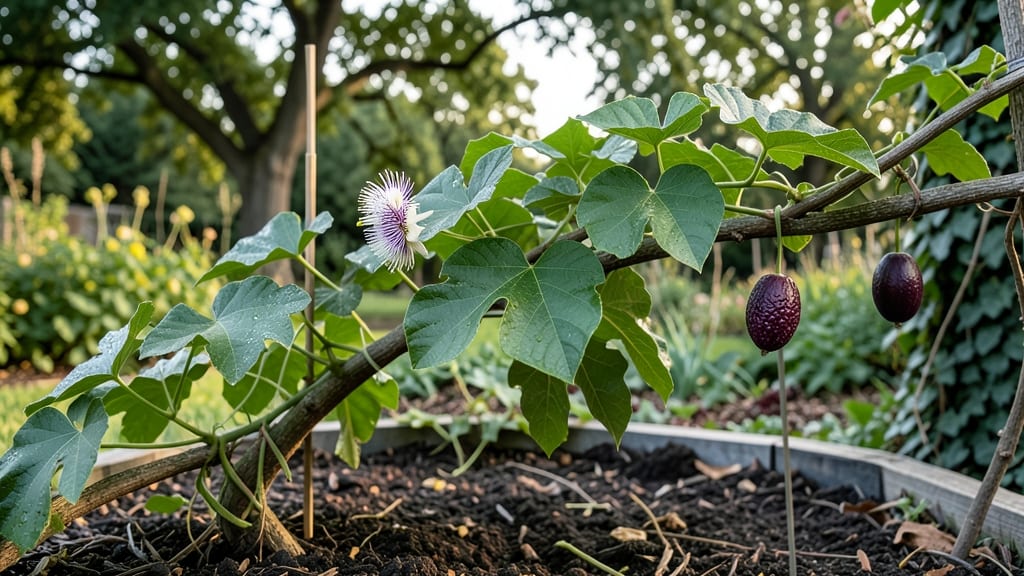
Growing the purple passion flower fruit from seed to harvest is one of those gardening adventures that feels like a tropical vacation in your own backyard. 🌿 The key to success starts with understanding your climate zone—some varieties thrive in warm zones while others handle cooler nights better.
I’ve grown mine in zones 8-11, and the difference between a struggling vine and a fruit-laden powerhouse comes down to a few simple adjustments.
The first thing you’ll need is a sunny spot—at least 6-8 hours of direct light—and well-draining soil that mimics the vine’s native habitat. Purple passion fruit vines are fast growers, so expect them to climb 15-20 feet if given support like a trellis or fence.
Watering is straightforward: keep the soil evenly moist but never soggy, especially during flowering and fruiting seasons.
Here’s where the magic happens: pollination. Passion flowers have a built-in trick—they attract hummingbirds and bees that help with fertilization. If you’re in a cooler zone, hand-pollinate with a small brush to ensure those vibrant purple fruits develop.
Once ripe, they’ll smell sweet and tropical, and harvesting is easy—just twist gently until they release.
Pruning keeps vines productive and manageable. Trim back overgrown or leggy growth in early spring, and remove dead or diseased foliage year-round. With the right care, you’ll go from seed to harvest in 12-18 months, and the first taste of homegrown passion fruit? That’s the real reward.
📚 In This Guide
- What you need
- Instructions
- Tips and common mistakes
- Wrapping up and next steps
What you need
- ● Seeds or young plants: 3–5 purple passion flower seeds (or 1–2 nursery-grown plants for faster results).
- ● Well-draining potting mix: 5–10 gallons of a blend of cactus/succulent mix (60%), perlite or pumice (20%), and compost (20%).
- ● Containers: 5–10-gallon pots with drainage holes (or a raised bed if planting outdoors).
- ● Fertilizer: Balanced 10-10-10 fertilizer (for seedlings).
- ● High-phosphorus 5-10-10 or 3-4-6 fertilizer (for flowering/vining plants).
- ● Pruning shears: Sharp, sterilized shears for trimming vines (3–5 inches long).
- ● Trellis or support structure: A 6–10-foot wooden or metal trellis (or a sturdy fence/pergola).
- ● Mulch: Organic mulch (e.g., straw or wood chips) to retain moisture.
- ● Watering can or hose: With a gentle spray nozzle for hydration.
- ● Grow lights: LED full-spectrum lights (for indoor seedlings in low-light zones).
- ● Epsom salt: 1 tbsp/month to boost magnesium (especially in flowering stages).
- ● Pest control: Neem oil or insecticidal soap (for aphids/mealybugs).
- ● Garden gloves: To protect hands from thorns!
- ● pH test kit: To monitor soil acidity (ideal range: 6.0–7.0).
Step-by-Step instructions for cultivating purple passion flower fruit
Here’s how I’ve mastered growing vibrant purple passion fruit—from seed to harvest—across different climates.
🌱 Step 1: Start Seeds Indoors for Early Growth
Passion fruit seeds need warmth to germinate, so I begin indoors 8-10 weeks before the last frost in my zone. Fill 3-inch pots with a well-draining seed-starting mix (never garden soil—it’s too dense). Plant 2-3 seeds per pot at a depth of ¼ inch, then lightly cover with mix. Keep the soil consistently moist but not soggy, as seeds rot easily in waterlogged conditions.
Place the pots in a warm spot—75-85°F is ideal. I use a seedling heat mat to maintain steady warmth, which speeds germination to 10-20 days. Once the first true leaves appear, thin to the strongest seedling per pot. Watch for leggy growth (stems stretching toward light)—this means your seedlings need more intense light or a closer grow light.
☀️ Step 2: Transplant and Train Vines for Sun Exposure
After the last frost, transplant seedlings into 5-gallon containers or directly into the ground in zones 8-11, where they thrive year-round. Purple passion fruit vines need full sun (6+ hours daily) and a sturdy trellis or fence to climb—10-15 feet of vertical space is ideal. I plant mine near a south-facing wall in cooler zones to maximize warmth.
When transplanting, bury the stem slightly deeper than in the pot to encourage stronger root growth. Water deeply at the base, avoiding wetting the leaves to prevent fungal diseases. Mulch around the base with 2-3 inches of organic mulch to retain moisture and regulate soil temperature. You’ll know the vines are established when they produce new leaves weekly and begin climbing vigorously.
💧 Step 3: Fertilize and Water for Fruit Development
Passion fruit vines are heavy feeders, so I fertilize every 4-6 weeks with a balanced 10-10-10 or 20-20-20 fertilizer during the growing season. In cooler zones, reduce to every 8 weeks in winter. Water deeply 2-3 times per week—1-2 gallons per plant—until the top 2 inches of soil feel dry. Overwatering causes root rot, while underwatering stresses the plant and reduces fruit set.
Watch for yellowing leaves, which signal overwatering or nutrient deficiency. Prune any dead or diseased foliage immediately to redirect energy to fruit production. When flowers appear, hand-pollinate them with a small brush if bees are scarce—passion fruit relies on cross-pollination for fruit development. You’ll know pollination worked when the flower drops and a small fruit begins to form.
✂️ Step 4: Prune and Harvest for Maximum Yield
Prune vines in early spring to remove weak or crossing branches, improving airflow and sunlight penetration. I leave 3-4 main stems to encourage stronger growth. In cooler zones, prune again after harvest to reduce vine size and prepare for dormancy. Harvest fruit when it changes from green to purple and feels slightly soft when gently squeezed—this usually takes 6-8 months from flowering.
Twist the fruit gently to detach it from the vine; never pull or cut, as this damages the stem. Store harvested fruit in a cool, dry place for up to 2 weeks. If frost threatens in your zone, harvest any remaining fruit and bring potted plants indoors to a sunny window or under grow lights. With proper care, a single vine can produce 50-100 fruits per season—enough for fresh eating, juicing, or preserving.
Tips & tricks for perfect purple passion flower fruit cultivation
Here's what I've learned after years of growing these tropical beauties—tricks that'll help you avoid common pitfalls and maximize your harvest.
Seedling Heat Secret: That 75-85°F range for germination is non-negotiable, but I've found using a seedling heat mat set to 80°F consistently produces results in just 10-14 days. Place your pots on top of the mat rather than underneath—this prevents moisture buildup that can cause rot. If you don't have a heat mat, try placing pots on top of your refrigerator (not inside) for gentle warmth.
Lighting Strategy: In Step 1, when you notice leggy seedlings stretching toward light, it's time to intervene. Move them within 2-3 inches of a grow light or fluorescent bulb, providing 12-14 hours of light daily. I rotate my trays every 2-3 days to prevent uneven growth—this ensures sturdy stems ready for transplanting.
Transplanting Hack: For Step 2, when transplanting into 5-gallon containers, I make a small trench around the edge of the pot before removing the seedling. This encourages roots to grow outward rather than circling, which can strangle the plant. Water thoroughly after transplanting, then let the soil dry slightly before your next watering to establish roots properly.
Fertilizer Timing: The 4-6 week feeding schedule works perfectly, but I've found passion fruit vines respond best when fertilized right after a deep watering. This prevents root burn from concentrated nutrients. In Step 3, if you notice new growth slowing after fertilization, you're likely overdoing it—reduce to every 8 weeks until growth picks up again.
Pro Tips for Purple Passion Flower Fruit
- Here's what I've learned after years of growing these tropical beauties—tricks that'll help you avoid common pitfalls and maximize your harvest.
- Seedling Heat Secret: That 75-85°F range for germination is non-negotiable, but I've found using a seedling heat mat set to 80°F consistently produces results in just 10-14 days.
- Lighting Strategy: In Step 1, when you notice leggy seedlings stretching toward light, it's time to intervene.
Frequently asked questions
Got questions about growing purple passion flower fruit? You’re not alone! Here are answers to the most common queries—from planting to harvest—so you can grow with confidence.
Can purple passion flower fruit grow in all climates?
Nope! These tropical vines thrive in USDA Zones 8-11 (or warmer). If you’re in cooler zones, grow them in containers and move them indoors during winter. A greenhouse or microclimate (like near a sunny wall) can also help. Pro tip: Start with cold-hardy varieties like Passiflora caerulea if you’re pushing the limits!
How long does it take for purple passion fruit to bear fruit?
Patience is key! From seed, expect 1-3 years before your first harvest, depending on growing conditions. Grafted plants (like those from nurseries) may fruit in 12-18 months. Ensure full sun (6+ hours/day), well-draining soil, and a sturdy trellis to speed up the process. Feed with a balanced fertilizer (10-10-10) every 4-6 weeks during growing season.
What do purple passion fruit look like when they’re ripe?
Ripe purple passion fruit are deep purple or maroon, slightly soft to the touch, and may have a sweet, musky aroma near the stem. Avoid green or hard fruit—they’re not ready! Harvest in the morning for peak flavor. Overripe fruit turns wrinkled and may ferment; use it in jams or juices if this happens.
Why aren’t my purple passion flowers producing fruit?
Common culprits include:
- Lack of pollinators: Passion flowers rely on bees, hummingbirds, or even hand-pollination. Try gently shaking flowers to release pollen.
- Improper pruning: Over-pruning can reduce flowering. Trim only after harvest to encourage new growth.
- Nutrient deficiency: Yellow leaves? Boost potassium and phosphorus with a fruit-specific fertilizer.
- Temperature stress: Flowers drop in extreme heat (>95°F) or cold (<50°F).
Give it time—some vines need 2+ years to mature fully!
Can I grow purple passion fruit from grocery store fruit?
Technically yes, but it’s hit-or-miss! Store-bought fruit is often treated to prevent sprouting. For better success:
- Soak seeds in warm water for 24 hours to soften the shell.
- Plant in well-draining soil and keep moist (not soggy).
- Expect slow germination (weeks to months).
Pro tip: Buy seeds from a reputable supplier for faster, more reliable growth!
Wrapping up and next steps
Growing purple passion flower fruit is a rewarding journey that combines beauty, flavor, and resilience!
Whether you’re drawn to its stunning blooms or the promise of tangy, tropical fruit, this guide has given you the tools to thrive—no matter your climate zone. Start small, stay patient, and soon you’ll be savoring homegrown passion fruit straight from the vine.
🌱 Ready to take the next step? Pick a sunny spot, grab those seeds, and let nature do the rest. Happy growing—and may your harvest be as vibrant as the flowers! 🌿