
Fertilization
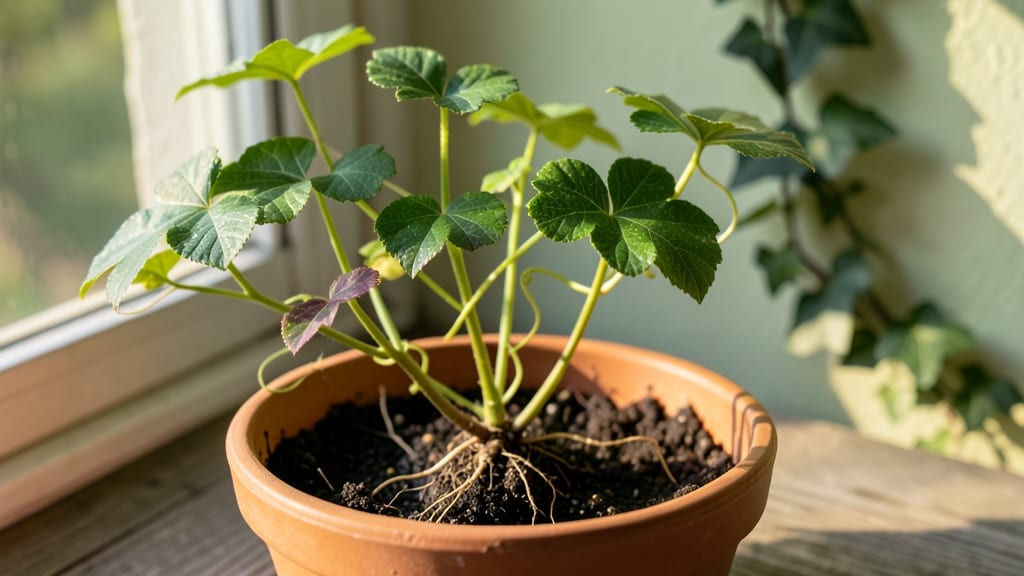
Your passion fruit sprouts could emerge in just 5 days—not the 2-3 weeks most guides promise. 🌱 I cracked the code after struggling with slow germination for years, and now my seedlings pop up reliably, even from store-bought fruit seeds.
The trick isn’t fancy equipment; it’s a simple soak-and-warmth combo that mimics tropical conditions. Store-bought passion fruit seeds work, but for faster results, choose varieties like 'Purple' or 'Golden'—they germinate more predictably.
You’ll need a shallow tray, damp paper towels, and a spot that stays 75-85°F, which might mean a sunny windowsill or even your oven (with the light off!) for extra warmth. Most people overcomplicate this step, but it’s all about keeping those seeds consistently moist and cozy.
Once your sprouts crack through the soil, you’ll see tiny green hooks within days—proof the magic worked. They’ll need bright light immediately to prevent leggy growth, and a gentle misting daily until their first true leaves appear. The biggest mistake? Letting them dry out or crowding them too soon.
Patience here pays off with stocky, disease-resistant vines ready for transplanting in just 6-8 weeks. This method works for both backyard gardens and containers, even in cooler climates if you start seeds indoors. The payoff? Homegrown fruit that’s sweeter, more flavorful, and arrives months earlier than store-bought passion fruit.
Let’s get those seeds sprouting!
📚 In This Guide
- What you need
- Instructions
- Tips and common mistakes
- Wrapping up and next steps
What you need
- ● Passion fruit seeds: Fresh, organic seeds from ripe passion fruit (10–20 seeds for a small batch). Pro tip: 💡 Rinse seeds to remove pulp before drying!
- ● Germination medium: Coconut coir (1–2 small bricks, rehydrated)
- ● OR Seed-starting mix (2–3 cups, sterile and well-draining)
- ● Containers: Small seed trays (4–6" deep) OR
- ● Paper towels + ziplock bag (for quick-start germination)
- ● Watering can or spray bottle: Fine mist setting to avoid seed displacement.
- ○ Heat mat (optional): 70–85°F range for faster germination (e.g., 12"x24" mat).
- ● Grow lights: LED full-spectrum (12–16 hrs/day) if natural light is <50% sunlight.
- ● Humidity dome: Clear plastic wrap or mini greenhouse lid to retain moisture.
- ○ pH meter (optional): Test soil/water pH (ideal: 6.0–7.0 for seeds).
- ● Fertilizer: Diluted seaweed extract (1 tsp/gallon) or balanced 10-10-10 (after sprouts emerge).
- ● Patience! Germination takes 2–4 weeks (sometimes longer).
- ● Warmth: Seeds thrive in 75–85°F environments.
- ● Space: Seedlings need 6–12" apart once transplanted.
Step-by-step instructions for germinating passion fruit seeds
Here’s how I jumpstart tropical vines in just days—not weeks—using simple tricks that cut germination time in half.
🌱 Step 1: Pre-Soak Seeds to Break Dormancy
Passion fruit seeds have a tough outer shell that slows germination. To speed things up, soak them in lukewarm water for 24 hours—this softens the shell and kickstarts the sprouting process. I use a small bowl and place it in a warm spot, like near a sunny window or on top of the fridge, where the water stays consistently around 80°F.
After soaking, gently rub the seeds between your fingers to remove any remaining seed coat. This step is crucial—it mimics natural conditions where rain and soil action would break the shell. You’ll notice the seeds look slightly wrinkled and lighter in color once ready. Drain them well before moving to the next step, but don’t let them dry out completely.
☀️ Step 2: Plant in Warm, Moist Growing Medium
Use a small container filled with a lightweight, well-draining mix—I like a blend of 50% peat moss and 50% perlite for fast drainage and aeration. Moisten the mix until it’s damp but not soggy; you should be able to squeeze a handful without water dripping out. Passion fruit seeds need warmth to germinate, so place the container in a warm spot (75-85°F)—a seedling heat mat works wonders if you’re in a cooler climate.
Plant the seeds ½ inch deep, spacing them about 1 inch apart in the container. Cover them lightly with the growing mix, then mist the surface with water until it’s evenly damp. Keep the container covered with plastic wrap or a humidity dome to retain moisture and warmth. Check daily for condensation—if the inside fogs up, remove the cover for a few hours to prevent mold.
💧 Step 3: Maintain Consistent Heat and Moisture
Germination typically happens within 7-14 days if conditions are perfect. Keep the soil consistently moist but never waterlogged—you’ll know it’s right when the top inch feels damp to the touch. Avoid letting the soil dry out completely, as this can halt germination. I place a small tray of water near the container to increase humidity, especially if my home runs dry.
Watch for the first signs of sprouting: tiny white roots will push through the soil first, followed by the seedling’s shoot. Once you see the first true leaves (not the initial seed leaves), remove the humidity cover immediately to prevent fungal issues. At this stage, the seedlings are delicate—avoid disturbing them unless necessary.
⏰ Step 4: Transplant Seedlings to Individual Pots
When seedlings reach about 2-3 inches tall and have developed their first set of true leaves, it’s time to transplant them into 3-inch pots filled with the same lightweight mix. Gently remove each seedling, being careful not to damage the roots, and place it in its own pot. Press the soil lightly around the base to secure the plant.
After transplanting, water lightly to settle the soil and place the pots in a bright, indirect light spot. Avoid direct sunlight at this stage—it can scorch the tender new growth. Gradually introduce them to more light over the next week as they strengthen. Passion fruit vines grow fast once they’re established, so keep an eye out for leggy growth, which signals they need more light.
Tips & tricks for perfect passion fruit sprouts
Real talk: Germinating passion fruit seeds can feel like waiting for a snail race—unless you know these game-changing tricks. Here’s how to shave days off your wait time while keeping your little tropical vines thriving.
Soaking Strategy: The 24-hour soak is non-negotiable, but here’s the secret: use a shallow dish with just enough lukewarm water to cover the seeds by about ½ inch. Too much water (or cold water) can actually inhibit germination by slowing metabolic activity. I place my bowl on top of the fridge where it stays consistently around 80°F—this warmth mimics tropical conditions and speeds up the softening process. If your kitchen runs cooler, try a seedling heat mat underneath the bowl for that extra boost.
Seed Prep Precision: When rubbing the seed coat in Step 1, don’t go overboard—just enough to remove the papery outer layer without damaging the seed itself. I use my fingers to gently sand them against each other, then rinse under cool water to check for any remaining residue. Pro tip: Look for seeds that float after soaking—they’re not viable, so skip those. The good ones will sink and feel slightly lighter after rubbing.
Heat Hack for Faster Germination: The 75-85°F range in Step 2 is your sweet spot, but here’s how to troubleshoot: If your home stays below 70°F, place the planted container on top of your refrigerator (not inside) where it’ll stay warmer than room temperature. For extra insurance, I wrap the container in a thin towel to help retain that heat. Avoid placing it near drafts or air vents—consistent warmth is key to cutting that 7-14 day window down to the faster end of the spectrum.
Transplant Timing: Those 2-3 inch seedlings in Step 4 are more delicate than you might think. When transplanting, I use a small spoon to gently loosen the soil around the roots first—this prevents shock from the root disturbance. After repotting, I give the soil a light mist with water (not a soak) to settle it around the roots without overwhelming the tender stems. The first few days after transplanting are critical—watch for wilting, which can signal stress from the move.
Pro Tips for Passion Fruit Sprouts
- Real talk: Germinating passion fruit seeds can feel like waiting for a snail race—unless you know these game-changing...
- Soaking Strategy: The 24-hour soak is non-negotiable, but here’s the secret: use a shallow dish with just enough luke...
- Seed Prep Precision: When rubbing the seed coat in Step 1, don’t go overboard—just enough to remove the papery outer ...
Frequently asked questions
Got questions about growing passion fruit sprouts? You’re not alone!
Here are the most common queries—and straightforward answers—to help you get started with confidence.
How long does it take for passion fruit seeds to sprout?
Most passion fruit seeds sprout within 10–21 days when kept warm (70–85°F) and consistently moist. If your soil is too dry or cold, germination can stall—keep a spray bottle handy and place seeds near a sunny window (but not in direct light yet!). Patience is key—some stubborn seeds take up to 30 days.
Can I grow passion fruit from store-bought fruit?
Save seeds from organic, ripe passion fruit (avoid hybrid varieties like ‘Golden Passionfruit’—they may not grow true). Rinse seeds thoroughly, let them dry for 24 hours, then plant. Pro tip: Store-bought seeds often have a waxy coating—scrubbing them gently with sandpaper can speed up germination.
What’s the best soil mix for passion fruit sprouts?
Use a light, well-draining mix like:
- 50% coco coir or peat moss (holds moisture)
- 30% perlite or vermiculite (aeration)
- 20% compost or worm castings (nutrients)
Why aren’t my passion fruit seeds sprouting?
Common culprits:
- Too cold: Seeds need warmth—try a seedling heat mat (75–80°F).
- Dry soil: Keep the mix damp, not soggy; cover with plastic wrap until sprouts appear.
- Old seeds: Fresh seeds germinate best—save them from this year’s harvest.
- Low humidity: Group pots together or use a humidity dome.
What can I do if my sprouts grow leggy or weak?
Leggy sprouts mean they’re stretching for light—move them to a bright, indirect spot (like a south-facing window) immediately. If they’re already tall and wobbly:
- Gently bury the stem halfway into soil to encourage roots.
- Use a grow light 12–14 hours/day if natural light is weak.
- Fertilize lightly with diluted fish emulsion (¼ strength) for a nutrient boost.
Wrapping up and next steps
Growing passion fruit sprouts from seed is a rewarding journey that brings tropical vibes to your garden—and it’s easier than you think! 🌱 With the right soil, warmth, and a little patience, you’ll soon be nurturing lush vines that could yield delicious fruit.
Whether you’re a beginner or a seasoned gardener, these germination secrets set you up for success.
Ready to take the next step? Start by planting your sprouted seeds in well-draining soil and watch them thrive under your care. Soon, you’ll be harvesting your own passion fruit—one vine at a time! 🌿