
Flowers
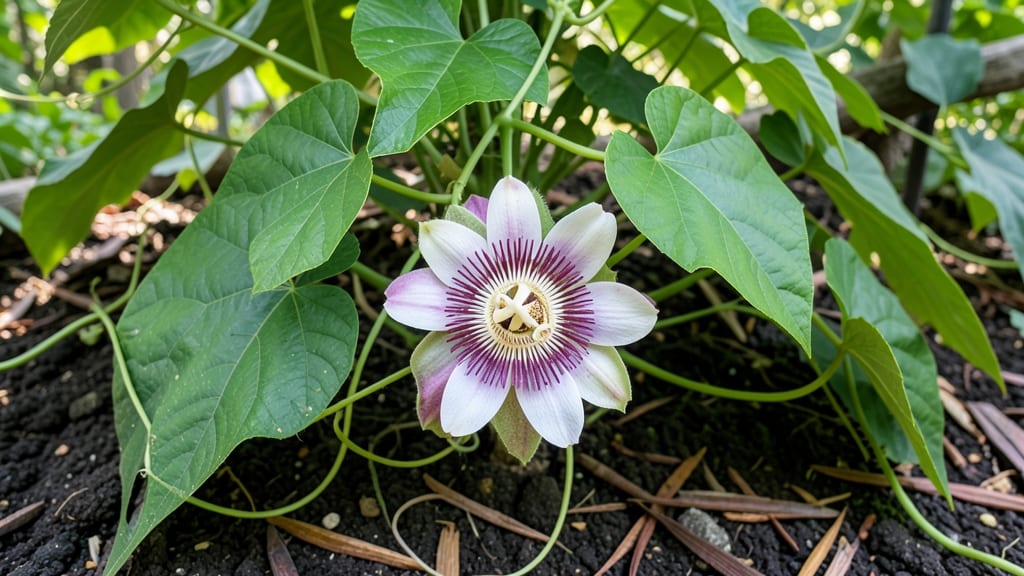
Your first passion fruit flower could bloom within 8-12 weeks—if you nail the tropical conditions these finicky vines demand. 🌺 I’ve grown them for five summers now, and the secret isn’t just heat or sun (though those help).
It’s the combination of humidity, pruning rhythm, and a little hand-pollination magic that turns those exotic blooms into sweet fruit. The plants thrive in zones 9-11, but container growers in cooler areas can keep them alive year-round with a south-facing window and a heat lamp in winter.
Start with well-draining soil mixed with perlite—passion vines hate soggy roots—and train them up a trellis or fence to save space. Prune aggressively after fruit sets to encourage more flowers, but never cut into old wood—those branches won’t rebloom.
What you’ll end up with is a vine covered in vibrant, butterfly-shaped flowers that last just 24 hours but produce fruit for months. The key is watching for those first buds—then gently shaking the vine to release pollen if bees aren’t visiting.
Even one successful pollination means harvests by late summer, and the flavor? Worth every stubborn vine. For those in colder climates, overwintering indoors works—but expect slower growth until spring. The real reward? A garden that smells like tropical sunshine, even if you’re miles from the equator.
📚 In This Guide
- What you need
- Instructions
- Tips and common mistakes
- Wrapping up and next steps
What you need
- ● Passion fruit seeds or cuttings: Choose from varieties like Passiflora edulis (purple passion fruit) or Passiflora incarnata (maypop). Start with 3-5 seeds or 2-3 healthy cuttings for a small garden.
- ● Well-draining potting mix: A blend of 50% coconut coir, 30% perlite, and 20% compost (or a pre-mixed tropical mix). Avoid heavy clay soil.
- ● Containers or garden bed: For container growing: Use pots at least 12 inches deep and wide with drainage holes. Terracotta or fabric pots work best.
- ● For outdoor planting: Select a sunny, sheltered spot with loose, fertile soil (pH 6.0–7.5). Amend soil with compost if needed.
- ● Fertilizer: A balanced, slow-release fertilizer (10-10-10) or organic options like worm castings or fish emulsion. Use every 4-6 weeks during growing season.
- ● Support structure: A trellis, cage, or sturdy stakes (passion vines can grow 20+ feet!). Choose one that’s at least 6 feet tall.
- ● Basic gardening tools: Trowel or small shovel
- ● Pruning shears (sterilized with rubbing alcohol)
- ○ Gloves (optional but recommended—passion vines have tiny hairs that can irritate skin)
- ● Watering can or hose with gentle spray nozzle (passion flowers hate soggy roots!).
- ○ Mulch (optional but helpful): Straw or wood chips to retain moisture and suppress weeds.
- ● Spray bottle (for humidity): Useful if growing indoors or in dry climates.
- ● Sunlight access: 6+ hours of direct sunlight daily (or a grow light for indoor setups).
- ● Patience! 🌱 Passion fruit flowers take 6–12 months to bloom from seed, while cuttings may flower faster (3–6 months).
- ● 🌡️ Temperature: Passion fruit thrives in 70–85°F (21–29°C). Protect from frost (below 32°F/0°C kills the plant).
- ● ✨ Pollination: Hand-pollinate flowers with a soft brush if bees are scarce (especially indoors).
- ● 🔥 Pruning: Trim leggy vines in early spring to encourage bushier growth and more flowers.
Step-by-step instructions for cultivating passion fruit flowers
Let’s bring those stunning tropical blooms to life—here’s how to coax passion fruit vines into flowering year-round.
🌱 Step 1: Choose the Right Variety and Plant Location
Start with a passiflora vine like Passiflora edulis (purple passion fruit) or Passiflora caerulea (blue passion flower), both of which thrive in warm climates. Plant in a location with full sun—at least 6-8 hours daily—and well-draining soil. If growing in containers, use a 10-15 gallon pot with drainage holes to prevent root rot.
Passion fruit vines are fast-growing, so give them space to climb—a sturdy trellis or fence works best. If you’re in a cooler climate, bring potted plants indoors before temperatures drop below 45°F, as cold snaps can kill the vine. Watch for new leaves to confirm the plant is establishing—this signals it’s ready for fertilizer.
☀️ Step 2: Provide Optimal Growing Conditions
Water deeply 2-3 times per week, keeping the soil evenly moist but not soggy. Passion fruit vines need consistent moisture, especially during flowering and fruiting. Overwatering leads to root rot, while underwatering causes buds to drop. Check soil moisture by sticking your finger 1-2 inches deep—if it feels dry, it’s time to water.
Fertilize every 4-6 weeks with a balanced, water-soluble fertilizer (10-10-10) during the growing season. In late summer, switch to a low-nitrogen, high-phosphorus fertilizer (like 5-10-10) to encourage blooming. You’ll know it’s working when you see new flower buds forming along the vines—these are your first sign of success.
🌿 Step 3: Encourage Flowering with Proper Pruning
Prune leggy or overgrown vines in early spring to promote bushier growth and more flowers. Cut back one-third of the vine, focusing on older, woody stems. This redirects energy into new, flowering growth. Avoid heavy pruning in fall, as the plant needs time to harden off before winter.
Deadhead spent flowers by gently twisting them off the vine—this prevents energy waste and encourages more blooms. Watch for morning glory-like flowers with intricate, ruffled petals; these are your passion fruit flowers in full glory. If you notice fewer blooms, check for pests like aphids or spider mites, which can stress the plant and reduce flowering.
⏰ Step 4: Maintain Year-Round Blooms with Seasonal Care
In summer, protect vines from extreme heat by providing afternoon shade if temperatures exceed 90°F. Passion fruit flowers are sensitive to heat stress, which can cause buds to drop. Keep the soil consistently moist and mist the leaves lightly in the morning to help retain humidity.
As fall approaches, reduce watering slightly but keep the soil lightly moist. Stop fertilizing after mid-summer to allow the vine to prepare for dormancy. If growing outdoors in colder zones, cover the plant with frost cloth before the first frost—this protects the vine until spring. With proper care, you’ll see continuous blooms from spring through fall, and even into winter in warm climates.
Tips & tricks for cultivating passion fruit flowers
Here's what I've learned after watching my own vines transform from scraggly stems to blooming beauties.
Sunlight Strategy: Those 6-8 hours of daily sun are non-negotiable, but here's the thing—morning sun is more valuable than afternoon. Position your vine so it gets bright light from 8am-12pm, then provide afternoon shade if temperatures climb above 90°F. I noticed my vines in full afternoon sun would drop buds during heatwaves, but those with morning sun plus afternoon shade kept blooming consistently.
Watering Wisdom: The 2-3 times per week guideline works best when you check soil moisture at 1-2 inches deep. I learned this the hard way after overwatering and seeing root rot set in. A good test is to stick your finger in—if it feels dry, water thoroughly until it runs out the drainage holes. The key is that even moisture, not soggy soil.
Fertilizer Timing: That switch to low-nitrogen, high-phosphorus fertilizer in late summer is crucial for blooming. I started seeing flower buds within 3-4 weeks of making this change. Pro tip: Mix your fertilizer with water and apply it in the morning so the vine can absorb it before the heat of the day. And remember—stop fertilizing after mid-summer to let the plant prepare for dormancy.
Pruning Precision: When you cut back one-third of the vine in early spring, focus on removing the oldest, woodiest stems first. These are the energy vampires that drain resources from potential blooms. I also found that making clean cuts just above a leaf node (where new growth emerges) gives you better regrowth. And here's a secret: The new growth that emerges after pruning is where you'll see the most flowers.
Pro Tips for Passion Fruit Flower
- Here's what I've learned after watching my own vines transform from scraggly stems to blooming beauties.
- Sunlight Strategy: Those 6-8 hours of daily sun are non-negotiable, but here's the thing—morning sun is more valuable...
- Watering Wisdom: The 2-3 times per week guideline works best when you check soil moisture at 1-2 inches deep. I learn...
Frequently asked questions
Got questions about growing passion fruit flowers?
You’re not alone! Here are answers to the most common queries to help you cultivate these stunning tropical blooms with confidence.
How long does it take for a passion fruit plant to flower?
Passion fruit flowers typically appear 6–12 months after planting, depending on climate and care. In warm, tropical regions (like zones 9–11), expect blooms sooner—sometimes within 4–6 months. Patience is key, especially in cooler climates where growth slows. Ensure full sun (6+ hours daily) and well-draining soil to speed up flowering.
Can passion fruit flowers survive frost?
Nope! Passion fruit plants (and their flowers) are tropical and die back in temps below 30°F (-1°C). If frost is forecast, cover young plants with frost cloth or move potted plants indoors. In colder zones, grow them as annuals or in containers for summer. Hardy varieties like Passiflora edulis may tolerate brief chills but will struggle to rebloom.
Why aren’t my passion fruit flowers opening?
Several factors can prevent blooms from opening:
- Lack of sunlight: Move to a sunnier spot (passion vines need 6+ hours of direct light).
- Overwatering: soggy soil suffocates roots—water only when the top inch is dry.
- Nutrient deficiency: Feed with a balanced fertilizer (10-10-10) every 4–6 weeks.
- Stress: Avoid pruning heavily during flowering season.
Can I grow passion fruit flowers indoors?
Yes, but with limitations. Choose a large container (15+ gallons) with drainage holes and place near a south-facing window or under grow lights (12–14 hours/day). Expect smaller blooms and fewer fruits indoors. Use a trellis to support vines, and maintain humidity with a pebble tray. Ideal indoor temps: 65–80°F (18–27°C).
Are passion fruit flowers edible?
While the fruit is the star, the flowers are edible too—delicate, citrusy, and slightly sweet. Use them in salads, garnishes, or infuse them in syrups/smoothies. Just pluck the flower early in the morning for the best flavor. Pro tip: Remove the stamen (the purple “crown”) if you dislike a mild peppery kick.
What’s the best alternative if passion fruit flowers don’t thrive?
If your climate or conditions aren’t ideal, try these low-maintenance tropical alternatives with showy blooms:
- Plumerias: Fragrant, drought-tolerant, and frost-sensitive (like passion fruit).
- Allamandas: Bright orange/yellow flowers; thrive in heat and humidity.
- Bougainvilleas: Drought-resistant and colorful (but not edible).
- Hibiscus: Hardy, fast-growing, and great for containers.
Wrapping up and next steps
Growing passion fruit flowers is a rewarding journey that brings vibrant beauty and tropical charm to your garden. Whether you're drawn to their striking blooms or the promise of delicious fruit, these resilient plants thrive with the right care—think warmth, support, and patience. 🌺
Now that you’re equipped with the secrets to success, why not take the next step? Start with a single cutting or seed, and watch your garden transform into a fragrant paradise. Share your progress with fellow plant lovers or experiment with companion plants to enhance growth—your tropical oasis awaits!