
Flowers
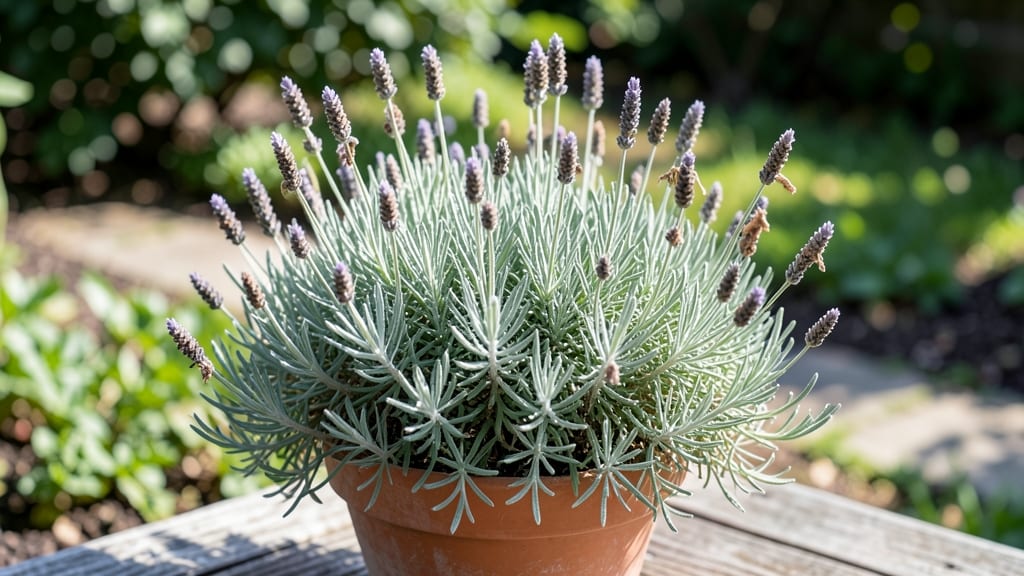
The lavender fruiting time marks the moment when its signature seed-filled buds 🌸 appear, typically in mid-to-late summer, though the exact window varies by climate and variety.
Wondering when your lavender will produce its fragrant, seed-filled buds? Timing is everything—harvest too early or late, and you miss the sweet spot for both ornamental value and seed collection.
In USDA Zone 6, most varieties like English and French lavender fruit between July and August, while Mediterranean types may start earlier. Sunlight, soil, and even last year’s pruning all play a role in pushing those buds along.
Below, I’ll break down the exact months by variety, how to spot peak fruiting time, and what to do once those tiny berries appear—so you don’t end up with empty pods or wasted seeds.
Exact lavender fruiting months by popular variety (with visual guide)
If you're growing lavender for its fragrant blooms or seed collection, knowing the exact fruiting months is crucial. Unlike many flowers, lavender produces seed pods after its signature purple blooms fade.
The timing varies by variety and climate, so let's break it down for the most popular types—English, French, Spanish, and Grosso—plus regional adjustments for USDA Zones 5-9.
Lavender fruiting typically occurs 6-8 weeks after flowering, but the exact months depend on when your plants bloom. For example, English lavender often flowers in late spring to early summer, while French lavender blooms slightly later.
Understanding these windows helps you time seed harvesting or prune for next year's growth.
Here’s a quick visual guide to compare fruiting times across varieties, including key indicators like bud color changes and seed pod formation. Use this to plan your garden tasks—whether you're saving seeds or simply enjoying the ornamental stages of lavender’s lifecycle.
English lavender is the earliest to fruit, typically in July and August, making it ideal for gardeners in cooler climates (USDA Zones 5-6). Look for greenish-brown buds that signal the start of seed pod formation. In warmer zones (7-9), fruiting may extend into early September.
For French lavender, fruiting peaks in August and September, aligning with its later bloom time. The dark brown seed pods are a clear sign to harvest seeds before they scatter. If you're in a Mediterranean climate, expect fruiting to stretch into October due to longer growing seasons.
Spanish lavender is a late bloomer, fruiting from September to October. Its tan-colored seed pods appear as the flowers fade to pale pink. This variety thrives in hot, dry climates, so fruiting may be delayed in cooler regions like Zone 6 unless given extra heat protection.
Grosso lavender, known for its large flower spikes, fruits from August to September. The key difference? Its seed pods split open easily, so harvest seeds promptly to avoid loss. This variety is perfect for drought-prone areas and often fruits slightly earlier in Zone 8 and above.
Regional adjustments matter! In USDA Zone 5, fruiting may start 2-3 weeks later due to cooler temperatures, while Zone 9+ lavender might fruit earlier or in multiple cycles. Always monitor your plants for bud color changes and stem firmness—these are your best indicators.
Pro tip: If you're saving seeds, harvest pods when they're dry but before they split. Store them in a cool, dry place until ready to plant. For ornamental purposes, leave some pods on the plant to add textural interest to your garden through fall and winter.
🌱
How to identify peak lavender fruiting time (before it’s too late)
Lavender fruiting time is a delicate window—miss it, and you lose both ornamental value and viable seeds. The key lies in observing subtle changes in the flower buds and seed pods before they overmature.
Unlike flowers, which are harvested for fragrance, fruiting lavender signals the plant’s transition from blooming to seed production, typically occurring in mid-to-late summer (July–August in USDA Zone 6).
Start by examining the bud clusters on your lavender stems. When they’re still tightly closed and greenish-purple, this is your first clue that fruiting is imminent. Avoid waiting until the buds open fully—by then, the seeds inside may already be drying out or losing viability.
Pay attention to the stem firmness too; woody, sturdy stems indicate readiness, while soft or brittle ones mean the plant is stressed or past its prime.
⚠️ callout warning
Once lavender seed pods turn brown and papery, they release seeds easily—often scattering before you can collect them. Overripe pods also produce low-germination seeds due to moisture loss. Harvest when pods are greenish-brown and slightly swollen (not fully dry) for the best seed viability. Pro Tip: Use a paper bag to gently tap harvested stems—this catches falling seeds without damaging the plant. Next, focus on the color transformation of the flower spikes. Healthy lavender buds shift from bright green to a soft lavender hue as they mature. If you see darkening or wilting, the fruiting window has passed. For English lavender, this shift happens slightly earlier (late June–early July) compared to French lavender (July–early August), so adjust your timing accordingly. Check the seed pod development closely. At peak fruiting, pods should be plump and greenish, not yet hardened. If you press a pod gently and it feels slightly spongy, it’s ready. Overlooking this stage often leads to premature seed drop, reducing your yield. For best results, harvest on a dry morning when dew has evaporated but humidity is low. Don’t overlook the leaf health as an indicator. Vibrant, silvery-green leaves paired with firm stems signal a thriving plant ready for fruiting. If leaves appear yellowed or crispy, the plant may be under stress from drought or overwatering, delaying fruiting. In such cases, adjust your watering schedule (deep soaks every 2–3 weeks) and provide morning sunlight to revive the plant. Finally, act quickly once you spot these signs. Lavender fruiting time is brief—often just 7–10 days from bud color change to seed maturity. Use clean, sharp pruners to snip stems just above a leaf node, then hang them upside down in a dry, shaded area to finish drying. This preserves seed quality while preventing mold from excess moisture.