
Fertilization
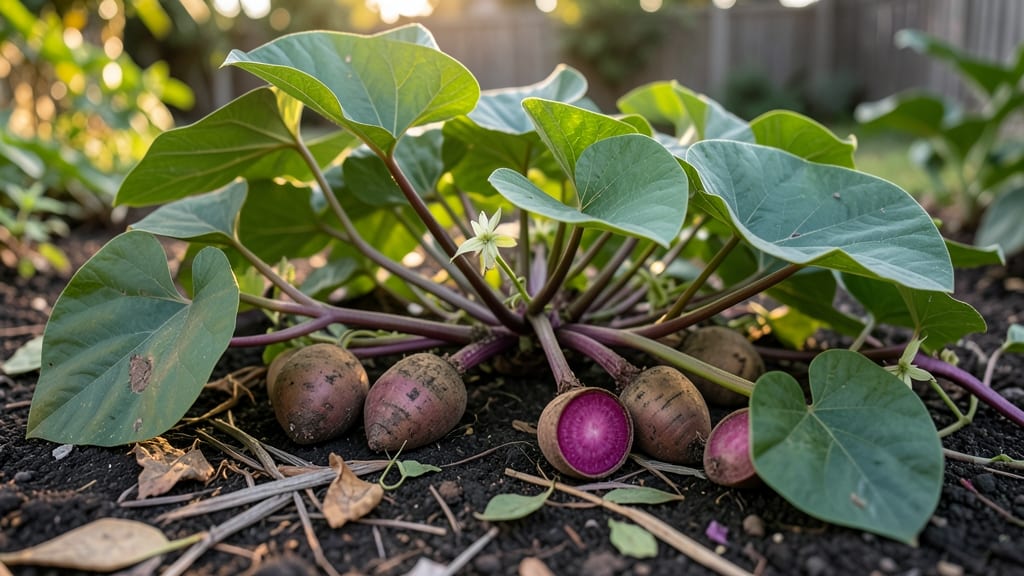
Ube isn't classified as a fruit—it's a tuberous root from the purple yam family (Dioscorea alata), known for its deep purple color and naturally sweet, earthy taste that works beautifully in both desserts and savory dishes.
Botanically, ube belongs to the same family as regular yams, growing underground like potatoes rather than developing from flowers like true fruits. 💫 The confusion often comes from how we use ingredients in cooking—many foods we call "vegetables" or "fruits" (like tomatoes or avocados) have surprising botanical classifications.
What sets ube apart is its thick, starchy root structure that stores energy for the plant, making it more similar to potatoes or ginger than to apples or berries.
The vibrant purple hue comes from anthocyanins, the same antioxidants found in blueberries and eggplants. This natural pigment makes ube a favorite in Filipino cuisine, where it's commonly boiled, steamed, or even frozen before being transformed into everything from halaya (ube jam) to ice cream and pastries.
The sweetness develops when cooked, which is why you'll often find it used as a natural sweetener alternative in both traditional and modern recipes.
💡 In This Article
- Botanical Classification: Why Ube Is a Root, Not a Fruit
- Culinary Uses of Ube: From Desserts to Traditional Dishes
Botanical classification: why ube is a root, not a fruit
Ube belongs to the genus Dioscorea, specifically Dioscorea alata, which classifies it as a tuber—a thick, fleshy underground stem that stores nutrients for the plant. Unlike fruits, which develop from flowers and contain seeds, ube grows horizontally beneath the soil, similar to potatoes or sweet potatoes.
This root system allows it to survive droughts by storing starch and energy, much like how a potato does.
The confusion arises because many foods we associate with fruits—like tomatoes or cucumbers—are botanically classified as fruits due to their seed-bearing structures. However, ube lacks these reproductive features entirely. Its vibrant purple color comes from anthocyanins, pigments found in many plants but not a defining trait of fruits.
When you slice into a fresh ube root, you'll notice its dense, starchy texture with a slightly grainy feel, unlike the juicy or fibrous textures of true fruits.
Botanists categorize ube as a monocotyledon, meaning it has one seed leaf during germination, unlike dicotyledonous plants like apples or oranges. This classification affects how ube grows—its roots spread outward rather than downward, creating a network of edible tubers.
The plant's flowers are insignificant in culinary terms, further distinguishing it from fruits that rely on their fruit structure for propagation.
In Filipino cuisine, ube's classification doesn't matter as much as its versatility. The root's natural sweetness develops when cooked, making it ideal for desserts without added sugar.
This sweetness comes from its high starch content (about 20-25% of its weight), which converts to sugars during cooking—a process similar to how potatoes caramelize when roasted.
Consider this comparison: while an apple grows above ground from a flower and contains seeds, ube grows underground as a storage organ with no seeds.
The key difference lies in their biological functions—fruits disperse seeds, while tubers store energy for the plant's survival. 💫 This distinction explains why ube behaves more like a vegetable in cooking, even though its sweet flavor might make it taste like a dessert ingredient.
One fascinating detail is how ube's growth cycle mirrors that of ginger or turmeric. The plant produces aerial vines with arrowhead-shaped leaves, but all the edible portions come from the underground tubers.
This growth pattern is why ube is often called a "yam" in some regions, though it's not the same as the sweet potato or true yams (which belong to the genus Dioscorea but are different species).