
Pests
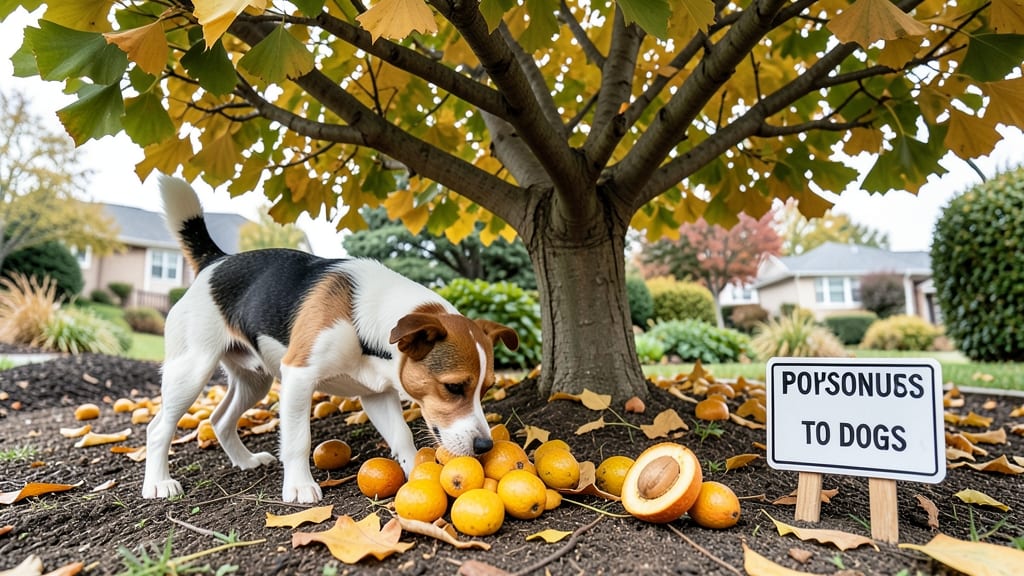
Ginkgo fruit is poisonous to dogs because it contains ginkgotoxin and ginkgolic acids, which can trigger vomiting, diarrhea, and even seizures if ingested. Even small amounts pose risks, so prompt removal is essential if your dog consumes any.
Ginkgo fruit's toxicity comes from two key compounds: ginkgotoxin, which disrupts cellular function, and ginkgolic acids, known to irritate tissues. 🌿 The seeds are especially dangerous, containing up to 10 times more toxin than the fruit's flesh.
Symptoms often appear within 6-12 hours but can escalate quickly, especially in smaller breeds. If you suspect ingestion, contact your vet immediately—early treatment significantly improves outcomes.
For pet owners, the good news is that ginkgo trees can coexist safely with dogs through proper landscaping. Consider planting dog-friendly alternatives like sunflower petals or apple slices in your yard instead.
If you already have a ginkgo tree, securing it with a fence or training your dog to avoid the area can prevent accidental exposure. Always supervise outdoor time and keep emergency vet numbers handy.
💡 In This Article
- Toxic Compounds in Ginkgo Fruit and Their Effects on Dogs
- Safe Alternatives to Ginkgo Fruit for Dog-Friendly Landscaping
Toxic compounds in ginkgo fruit and their effects on dogs
The real danger in ginkgo fruit lies in its chemical composition. Ginkgotoxin (also called 4'-O-methylpyridoxine) mimics vitamin B6, disrupting cellular processes by blocking enzymes that rely on this vitamin. In dogs, this leads to neurological symptoms like seizures or tremors, as their nervous systems become overwhelmed.
Meanwhile, ginkgolic acids act as potent skin and tissue irritants, causing chemical burns in the mouth and digestive tract. 🔥
Seeds contain the highest concentration of toxins—up to 10 times more ginkgotoxin than the surrounding flesh. A single seed (about 1-2 grams) can trigger severe reactions in a 10-pound dog, while larger breeds might tolerate slightly more.
The flesh is less toxic but still dangerous, especially in large quantities. Symptoms typically appear within 6-12 hours, starting with drooling, vomiting, or diarrhea, before progressing to more serious neurological effects.
What makes ginkgo toxicity unique is its biphasic progression. Initially, dogs may show mild gastrointestinal upset, but within 24-48 hours, symptoms can escalate to seizures or even coma if left untreated.
This delayed onset catches many owners off guard. The severity also depends on the dog's size—smaller breeds are far more vulnerable due to their lower body mass and higher toxin-to-weight ratio. 💛
Ginkgolic acids deserve special attention for their mechanism. These compounds trigger oxidative stress in cells, similar to how some chemotherapy drugs work—but without therapeutic benefit. In dogs, this manifests as inflammation of the mouth, throat, and stomach lining, often visible as excessive drooling or bloody vomiting.
The combination of ginkgotoxin and ginkgolic acids creates a "double whammy" effect that makes ginkgo fruit uniquely dangerous compared to other common plant toxins.
Interestingly, the toxicity varies by season. Fruits harvested in late summer tend to be more potent due to higher toxin concentrations, while those from early autumn may be slightly less dangerous.
This seasonal variation explains why some dogs show milder reactions during certain times of year. Always assume the worst-case scenario when dealing with ginkgo fruit exposure. ✨
For comparison, the lethal dose in dogs is estimated at about 1-2 grams of seed per kilogram of body weight. That means a 20-pound dog could be at risk from just 2-3 seeds.
Even the flesh, while less concentrated, can cause problems if consumed in cup-sized quantities or more. The key takeaway: when it comes to ginkgo fruit, there's no such thing as a "safe" amount for dogs.