
Trees
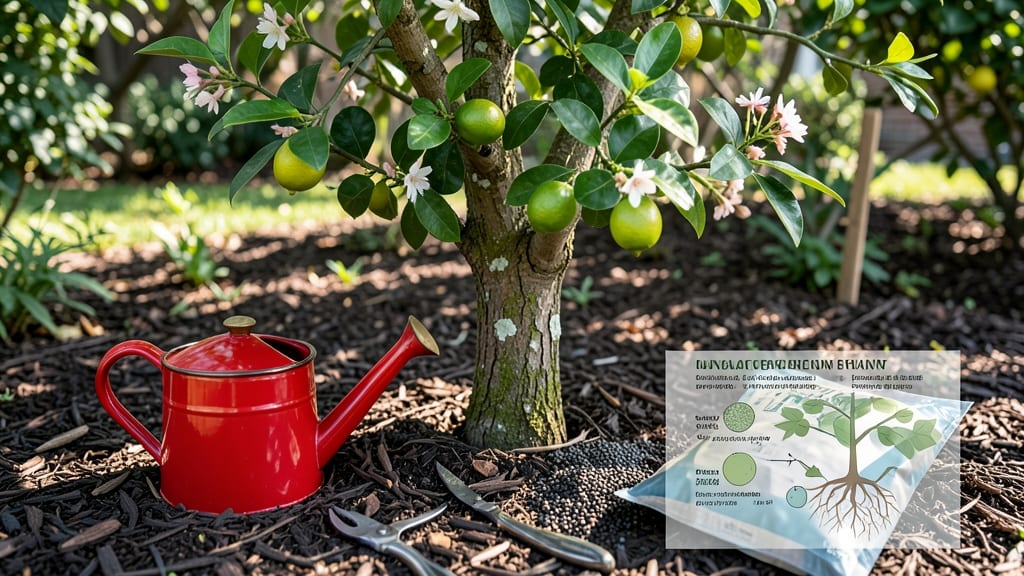
Taking care of fruit trees transforms your yard into a harvest goldmine—apples, peaches, and cherries that taste better than anything store-bought. 🌳 I’ve watched my neighbor’s neglected trees struggle while mine produce bushels every year, and the secret isn’t complicated: consistent care in every season.
The key moments are spring pruning, summer watering, and winter protection—each step builds on the last to create a tree that thrives for decades.
You’ll need basic tools—a sharp pruner, organic fertilizer, and a hose with a gentle spray nozzle—to keep things simple. Most fruit trees need 6-8 hours of sun daily, well-draining soil, and regular checks for pests like aphids or borers.
The payoff? Trees that fruit heavily within 3-5 years and keep producing for decades with minimal effort. Even urban gardeners can grow dwarf varieties in large containers.
Pruning in late winter shapes the tree while removing dead wood, and summer watering keeps roots cool during heatwaves. Mulch helps retain moisture, and a light layer of compost in early spring feeds the roots without overwhelming them.
The best part? Healthy trees resist pests naturally, so you’ll spend less time fighting problems and more time enjoying the harvest.
This works for apples, pears, plums, and citrus—just adjust timing based on your climate. Whether you’re starting with a bare-root sapling or reviving an old tree, these steps keep fruit trees productive year after year. Let’s get those branches loaded with fruit!
📚 In This Guide
- What you need
- Instructions
- Tips and common mistakes
- Wrapping up and next steps
What you need
- ● Fruit Tree Sapling: 1-3 trees (depending on variety; some need pollinators like almonds or apples).
- ● Choose disease-resistant varieties for your climate (e.g., Dwarf Fuji for apples or Navel Orange for citrus).
- ● Soil Amendments: Compost or well-rotted manure (5-10 lbs per tree, mixed into planting hole).
- ● Balanced fertilizer (10-10-10 or organic options like bone meal or fish emulsion).
- ● Planting Supplies: Shovel or trowel (for digging).
- ● Garden gloves (1 pair, heavy-duty for protection).
- ● Mulch (3-4 inches of wood chips, straw, or pine needles to retain moisture).
- ● Watering Tools: Garden hose with adjustable nozzle or drip irrigation system.
- ● Watering can (for young seedlings, 1-2 gallons capacity).
- ● Pruning Tools: Pruning shears (bypass type, sharp and clean).
- ● Hand pruners (for smaller branches).
- ● Loppers (for thicker branches, 2-3 ft cutting range).
- ● Saw (for large branches, 12-18 inches long).
- ● Protective Gear: Tree guards or wire mesh (to deter animals like rabbits or deer).
- ● Frost cloth (for young trees in cold climates, 3x4 ft per tree).
- ● Pest Control: Neem oil spray (for organic pest management).
- ● Sticky traps (to monitor fruit flies or aphids).
- ● Monitoring Tools: Soil moisture meter (to track hydration levels).
- ● pH testing kit (ideal range: 6.0-7.0 for most fruit trees).
- ● Comfort & Convenience: Wheelbarrow (for moving soil or mulch).
- ● Knee pads (for easy pruning or planting).
Step-by-Step instructions for year-round fruit tree care
Here's the seasonal routine I rely on to keep my fruit trees thriving and productive.
🌱 Step 1: Early Spring Pruning and Fertilization
Start by pruning in late winter or early spring before buds swell. Remove dead, diseased, or crossing branches first—these create entry points for pests and block light penetration. I always make cuts just outside the branch collar where the branch meets the trunk, ensuring a clean wound that heals properly.
Next, apply a balanced 10-10-10 fertilizer (following package rates) when buds begin to swell but before leaves emerge. This jumpstarts root and shoot growth. Water deeply after fertilizing to help nutrients reach the roots. You'll see new growth within 2-3 weeks—that's your signal everything is working.
☀️ Step 2: Summer Watering and Pest Monitoring
Young trees need 1-2 inches of water weekly, while established trees tolerate 1-1.5 inches. I water deeply at the base rather than overhead to prevent fungal diseases. The soil should feel dry 2-3 inches down before watering again—stick your finger in to check.
Monitor for pests like aphids, scale, or borers. I inspect leaves weekly, especially on the undersides where pests hide. If you spot trouble, treat with horticultural oil or neem oil before populations explode. Aphids leave sticky residue—wipe leaves with soapy water if you see this.
✂️ Step 3: Late Summer Thinning and Soil Prep
When fruit begins to form, thin overcrowded branches to improve size and quality. Leave 6-8 inches between fruits on dwarf trees, more for standard varieties. This prevents overburdening and ensures larger harvests. Use clean, sharp pruners to avoid tearing bark.
In late summer, top-dress with 2-3 inches of compost around the drip line (not the trunk). This replenishes nutrients and improves soil structure. Mulch with 3-4 inches of wood chips, keeping it 6 inches away from the trunk to prevent rot.
⏰ Step 4: Fall Cleanup and Winter Protection
Remove fallen fruit, leaves, and debris to reduce disease overwintering. Prune again to shape the tree and remove any suckers growing from the base. I also apply a dormant oil spray in late fall to smother overwintering pests.
For young trees or cold climates, wrap the trunk with burlap or tree guard to prevent sunscald and rodent damage. Older trees benefit from a deep watering before freeze to establish root reserves. You'll know your tree is ready for winter when it enters dormancy—leaves turn brown and drop naturally.
Tips & tricks for thriving fruit trees
Here's what I've learned from years of growing fruit trees—these little details make all the difference between good harvests and great ones.
Pruning Precision: When you're pruning in Step 1, focus on creating an open center that allows sunlight to reach all branches. I always make cuts at a 45-degree angle just outside the branch collar—this promotes faster healing and reduces disease risk. Use sharp pruners to avoid tearing bark, which can introduce pathogens. Remember, you're shaping the tree's future growth pattern, not just removing what looks bad.
Fertilizer Timing: The 2-3 weeks after applying your 10-10-10 fertilizer in Step 1 is crucial for new growth. This is when roots are actively absorbing nutrients, so keep the soil consistently moist but not waterlogged. If you notice yellowing leaves during this period, it could signal over-fertilization—reduce amounts by half next time. Think of this as your tree's growth spurt phase.
Watering Wisdom: For Step 2's watering requirements, I've found that using a rain gauge or measuring cup to track your 1-2 inches of water gives more accurate results than guessing. Water in the early morning to reduce evaporation and fungal risks. The soil moisture check at 2-3 inches down is especially important—this is where most roots are actively growing. If the soil feels damp at this depth, hold off on watering.
Pest Prevention: When monitoring for pests in Step 2, I've had the most success with a simple weekly leaf inspection routine. Use a magnifying glass to check undersides where pests hide. If you spot aphids, I recommend a strong stream of water first—this often dislodges them without chemicals. For more stubborn infestations, horticultural oil works best when applied in the evening when bees aren't active.
Pro Tips for Take Care Of Fruit Trees
- Here's what I've learned from years of growing fruit trees—these little details make all the difference between good harvests and great ones.
- Pruning Precision: When you're pruning in Step 1, focus on creating an open center that allows sunlight to reach all branches.
- Fertilizer Timing: The 2-3 weeks after applying your 10-10-10 fertilizer in Step 1 is crucial for new growth.
Frequently asked questions
Got questions about keeping your fruit trees thriving?
Here are answers to the most common concerns—from pruning to pests and everything in between!
When is the best time to prune fruit trees?
Prune dormant fruit trees in late winter or early spring (before buds swell) to avoid stressing the tree. For summer-bearing varieties (like peaches), prune right after harvest. Never prune in fall—it invites disease. Use sharp tools and make clean cuts at a 45° angle just above a bud.
How do I prevent pests (like aphids or borers) from damaging my fruit trees?
Start with prevention: Keep trees healthy with proper watering and fertilization. For pests, try neem oil or insecticidal soap for soft-bodied bugs. For borers, wrap trunks with tree banding tape in early spring. Remove fallen fruit promptly—it attracts pests!
How long does it take for a fruit tree to bear fruit after planting?
Most fruit trees take 2–5 years to produce fruit, depending on the type:
- Dwarf varieties: 1–2 years
- Standard trees: 3–5 years
- Citrus/figs: Often faster (1–3 years)
How often should I water a newly planted fruit tree?
Water deeply 2–3 times per week for the first year, soaking the root zone (12–18 inches down). After establishment, water once a week (more in drought). Mulch around the base to retain moisture. Avoid wetting leaves to prevent fungal diseases like powdery mildew.
Can I grow fruit trees in containers? What’s the best setup?
Yes! Dwarf varieties (like columnar apples or patio peaches) thrive in containers. Use a 5-gallon pot minimum, with drainage holes, and a well-draining potting mix. Move pots to sunny spots and fertilize monthly. Limit container trees to 3–4 years—they’ll outgrow their space!
What should I do if my fruit tree leaves turn yellow?
Yellow leaves often signal overwatering, nutrient deficiency, or disease. Check the soil—it should be moist but not soggy. Test for nitrogen deficiency (add compost or a balanced fertilizer). If spots or wilting appear, it could be fungal disease—prune affected areas and treat with copper fungicide.
Wrapping up and next steps
Caring for fruit trees is a rewarding journey that blends patience, knowledge, and a little elbow grease—and you’ve got this! 🌱 From pruning to pest control, soil health to seasonal adjustments, every step you take nurtures not just a tree, but a future harvest of fresh, delicious fruit.
Start small, stay consistent, and soon you’ll be savoring the sweet taste of success—literally!
Ready to dive deeper? Pick one task from this guide and tackle it this weekend! Whether it’s testing your soil, inspecting for pests, or sketching a pruning plan, every action brings you closer to that bountiful harvest. Happy growing! 🍏🍑