
Size
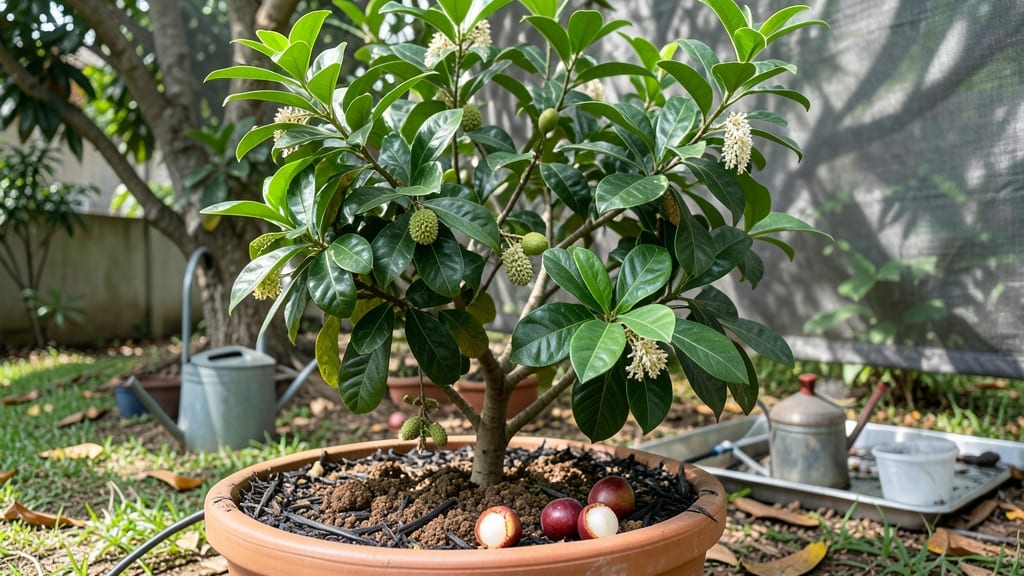
Growing litchi fruit from seed is a 10-year patience test—but the first sweet, juicy harvest makes every wait worthwhile. 🌱 I’ve watched litchi trees transform from scraggly saplings into heavy-fruited giants, and the secret isn’t just heat and humidity—it’s understanding their exact needs from day one.
Most gardeners quit before the first flowers appear, but with the right approach, you’ll be harvesting golden, fragrant litchis that taste like summer in a shell.
The real magic happens in zones 10-12, where temperatures stay above 60°F year-round. Litchis hate cold snaps—even a light frost will kill them—but if you live in cooler areas, container growing lets you bring them indoors during winter.
Start with well-draining soil mixed with compost, and plant in full sun (they need 6+ hours daily). Water deeply but infrequently—litchis despise soggy roots—and mulch heavily to keep moisture steady.
The first few years focus on strong trunk growth; fruit won’t appear until the tree is 8-10 feet tall.
Here’s the game-changer: grafting. Seed-grown litchis rarely produce quality fruit, but grafting a named variety onto a hardy rootstock guarantees sweet, uniform harvests. Prune aggressively in late winter to shape the tree and encourage airflow—this cuts disease risk and boosts fruit size.
Hand-pollinate with a soft brush if bees are scarce, and watch for pink flower buds in spring (your first sign of success). With care, a mature tree yields 50-100 pounds of fruit per season—enough to share with neighbors or preserve for winter.
Patience is the only real challenge. Young trees need 3-5 years just to flower, and full production takes a decade. But once established, litchis thrive with minimal fuss—just watch for litchi moths (their #1 enemy) and keep soil phosphorus-rich.
In warmer climates, you’ll get two harvests a year; in cooler areas, container growing extends the season. The first taste of homegrown litchi—bursting with honeyed sweetness—is worth every season of waiting.
📚 In This Guide
- What you need
- Instructions
- Tips and common mistakes
- Wrapping up and next steps
What you need
- ● Litchi Seedlings or Grafted Plants: 1-2 healthy Litchi chinensis saplings (age 1-2 years) or grafted plants (for faster fruiting).
- ○ Optional: Air-layered cuttings (if propagating from an existing tree).
- ● Well-Draining Soil Mix: 50% topsoil (rich in organic matter).
- ● 30% sand or perlite (for drainage).
- ● 20% compost or coconut coir (for nutrients).
- ● Pot or Planting Site: For containers: 15-20 gallon pot with drainage holes (if growing indoors or in cooler climates).
- ● For outdoor planting: Sunny, sheltered spot with 6+ hours of direct sunlight daily and protection from strong winds.
- ● Fertilizer: Balanced NPK fertilizer (10-10-10) or organic options like fish emulsion or compost tea.
- ○ Citrus-specific fertilizer (optional but recommended for pH balance).
- ● Watering Supplies: Watering can or hose with a gentle spray nozzle.
- ○ Drip irrigation system (optional) for consistent moisture.
- ● Pruning Tools: Sharp pruning shears (sterilized with rubbing alcohol).
- ● Grafting tools (if propagating from cuttings).
- ● Mulch: 2-3 inches of organic mulch (straw, wood chips, or pine needles) to retain moisture.
- ● Climate: Litchi thrives in tropical or subtropical zones (USDA Hardiness Zones 10-12). If in cooler areas, grow in containers and bring indoors during winter.
- ● Temperature: Ideal range: 70–90°F (21–32°C). Avoid frost (below 32°F/0°C is deadly).
- ● Humidity: 60-80% (use a humidifier or pebble tray if indoors).
- ● pH Level: Soil pH should be acidic (4.5–6.5). Test soil with a pH kit if unsure.
- ● Growth regulators (like ethephon to induce flowering in tropical climates).
- ● Pollination aids (litchi flowers are self-pollinating, but a small brush can help in containers).
- ● Pest control: Neem oil or insecticidal soap (for aphids, scale, or fruit borers).
- ● Support stakes (for young trees in windy areas).
Step-by-Step instructions for cultivating litchi trees
Here’s how to nurture these tropical gems from seedling to fruiting—with patience and precision.
🌱 Step 1: Select and Prepare Your Litchi Seedlings
Start with healthy 1-year-old litchi seedlings from a reputable nursery, as they’re more resilient than seeds. Choose varieties suited to your climate zone—‘Brewster,’ ‘Groff,’ or ‘Mauritius’ are reliable picks. Inspect roots for signs of rot or damage before planting; trim any brown or mushy sections with sterilized scissors to prevent disease.
Soak the roots in lukewarm water for 15-20 minutes before planting to revive them. This step is critical if your seedlings arrived dry or dormant. Handle roots gently—they’re delicate and prone to breaking, which stunts growth. Plant within 24 hours of soaking to avoid stress.
☀️ Step 2: Plant in Well-Draining, Tropical-Simulating Soil
Litchi trees demand well-draining, slightly acidic soil (pH 5.5–6.5). Mix 60% high-quality potting soil with 30% perlite and 10% compost for optimal aeration and nutrient balance. Avoid garden soil—it compacts easily and suffocates roots. Plant in a 15-gallon container or directly in the ground if your climate stays above 50°F year-round.
Dig a hole twice as wide as the root ball but no deeper. Place the seedling so the graft union (a visible bump near the base) sits 1–2 inches above soil level. This prevents rot and encourages strong trunk development. Backfill with your soil mix, pressing gently to remove air pockets without compacting.
💧 Step 3: Establish a Watering and Fertilizing Routine
Water deeply 2–3 times per week until the top 3 inches of soil feel moist—litchi trees despise soggy roots. Use a drip irrigation system or water at the base to avoid wetting leaves, which promotes fungal diseases. After 4–6 weeks, reduce watering to once weekly to encourage deep root growth.
Fertilize monthly with a balanced 6-6-6 or 8-3-9 formula during the growing season (spring through fall). In winter, switch to a low-nitrogen, high-potassium fertilizer to support flowering. Avoid over-fertilizing—yellowing leaves signal excess salts, which litchi trees are sensitive to.
✂️ Step 4: Prune for Shape and Fruit Production
Prune lightly in late winter or early spring before new growth begins. Remove dead, crossing, or inward-growing branches first to improve airflow. Then, trim back 10–15% of the canopy to encourage bushier growth and heavier fruiting. Use sterilized pruning shears to make clean cuts at a 45-degree angle just above a leaf node.
Watch for suckers (shoots growing from the base or trunk)—remove them immediately. These divert energy from fruit production. After pruning, apply a copper fungicide spray to prevent infections through fresh cuts. This step is non-negotiable in humid climates.
🌿 Step 5: Pollinate and Protect for Year-Round Harvests
Litchi trees rely on natural pollinators like bees, but in containers or low-pollinator areas, hand-pollinate flowers with a soft brush. Do this on mild, dry mornings when flowers are fully open. Protect young fruit from birds and pests with fine netting—litchi trees are a magnet for wildlife once they start producing.
Harvest when fruit turns pink or red and the skin yields slightly to gentle pressure. Cut stems with 2–3 inches of stem attached to extend shelf life. Ripening continues after picking, so don’t rush—overripe litchi fruit turns mushy and loses flavor. Store at 50–55°F for up to 2 weeks.
Tips & tricks for perfect litchi tree cultivation
These pro-level insights will help you avoid the most common pitfalls when growing litchi trees from seedlings to harvest.
Seedling Preparation: When you're soaking those roots for your 15-20 minute revival in Step 1, use a thermometer to confirm that lukewarm water stays between 85-90°F. Too hot and you'll shock the delicate roots; too cold and you won't revive them properly. I've seen seedlings arrive completely dehydrated—this step literally brings them back to life. Don't skip it, even if the roots look moist at first glance.
Soil Mix Secrets: For the 60-30-10 soil ratio in Step 2, I recommend adding a handful of sphagnum peat moss to your compost component. This helps maintain that critical pH 5.5-6.5 range longer, especially in containers where soil dries out faster. Test your soil mix with a pH meter before planting—litchi trees are fussy about acidity, and garden centers often sell cheap soil that's too alkaline.
Watering Wisdom: That 2-3 times per week watering in Step 3 is a guideline, not a rule. The key is checking the top 3 inches of soil—if it's still damp after your scheduled watering, wait another day. I've had clients drown their trees because they assumed "tropical" meant "always wet." Litchi roots rot faster than they adjust to soggy conditions. Consider adding orchid bark to your soil mix for better drainage if you're in a humid climate.
Pruning Precision: When you're trimming back that 10-15% of canopy in Step 4, focus on creating an open center that allows sunlight to reach all branches. I've seen growers make the mistake of pruning too aggressively to "encourage fruiting"—this actually stresses the tree. Use your pruning shears to make cuts just outside the branch collar where it meets the trunk. This technique promotes faster healing and prevents disease entry points.
Pro Tips for Grow Litchi Fruit
- These pro-level insights will help you avoid the most common pitfalls when growing litchi trees from seedlings to har...
- Seedling Preparation: When you're soaking those roots for your 15-20 minute revival in Step 1, use a thermometer to c...
- Soil Mix Secrets: For the 60-30-10 soil ratio in Step 2, I recommend adding a handful of sphagnum peat moss to your c...
Frequently asked questions
Got questions about growing litchi fruit? You’re not alone! Here are some of the most common queries—plus the answers you need to succeed.
How long does it take for a litchi tree to bear fruit?
A young litchi tree typically takes 4–6 years to produce its first harvest, depending on climate, care, and variety. Patience is key—healthy trees reward you with juicy, sweet fruit after proper establishment. Dwarf varieties may fruit slightly sooner (3–5 years).
Can litchi trees survive cold weather?
Litchi trees thrive in tropical/subtropical climates (USDA Zones 10–12). They’re sensitive to frost—temperatures below 28°F (-2°C) can damage or kill them. If you live in a cooler zone, grow them in containers and bring them indoors during winter. Mulching also helps insulate roots.
What’s the best way to pollinate litchi flowers?
Litchi trees are self-pollinating, but cross-pollination improves fruit set. Use a soft brush or your finger to transfer pollen between flowers in the morning when they’re open. Bees help too—planting nearby flowering species (like hibiscus) attracts them naturally. Avoid windy days for best results.
Why aren’t my litchi flowers turning into fruit?
Common culprits include:
- Poor pollination: Flowers drop if pollen isn’t transferred.
- Nutrient deficiencies: Lack of phosphorus or potassium stunts fruit development.
- Temperature stress: Extreme heat or cold can cause flower drop.
- Pests/disease: Check for thrips, mites, or fungal infections.
Can I grow litchi from seed, or should I buy a grafted tree?
While you can grow litchi from seed, the fruit may not match the parent’s quality or ripen reliably. Grafted trees (from nurseries) produce faster, sweeter fruit and are more disease-resistant. If starting from seed, expect 10+ years for edible fruit—and it might not be true to the original variety!
Wrapping up and next steps
Growing litchi fruit is a rewarding journey that combines patience, care, and a touch of tropical magic! 🌿 By choosing the right variety, providing optimal soil and climate conditions, and mastering pruning and pollination techniques, you’ll soon be enjoying sweet, juicy litchis straight from your own tree.
Remember, consistency is key—whether it’s watering, fertilizing, or protecting your tree from pests.
Now that you’re armed with these tropical tree secrets, it’s time to roll up your sleeves and get planting! Start small with a single sapling or branch, and let your passion for litchi-growing bloom into a thriving harvest. Happy gardening—your future litchi feasts await! 🍈✨