
Fertilization
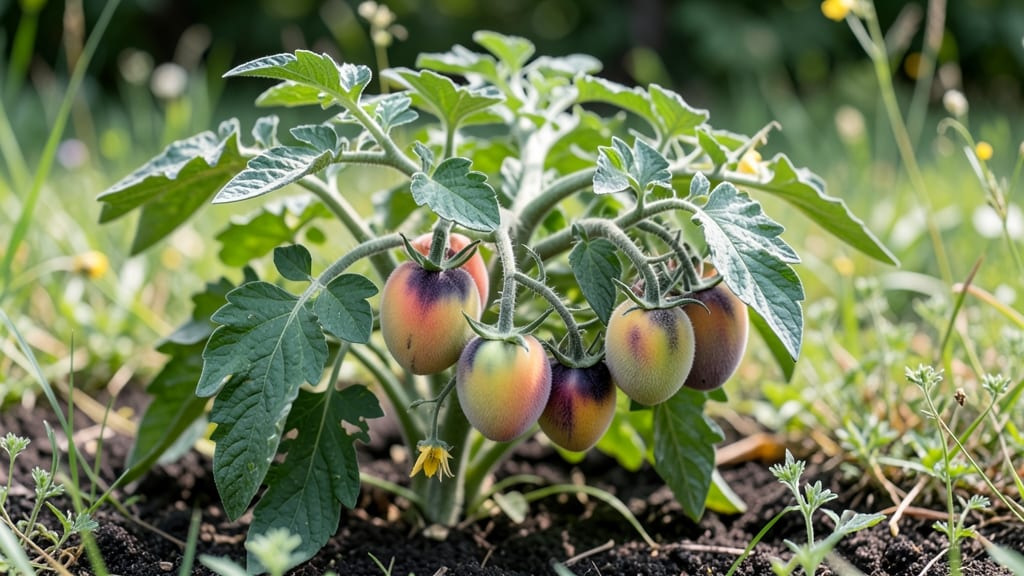
That white fuzz-covered fruit on your peaches or tomatoes isn't just unsightly—it's a fungal warning sign. 🌱 I've battled powdery mildew and fruit rust for years, and copper spray is my go-to rescue when organic remedies fall short.
The good news? Early treatment can still save your harvest, even if the fruit already looks fuzzy.
Most gardeners assume this is just powdery mildew, but fruit rust and spider mites can cause similar fuzz. The key is identifying the culprit: mildew appears as white powder, rust shows orange-brown spots, while mites leave tiny webs.
Copper spray works on all three because it disrupts fungal spores without harming beneficial insects.
Within 5-7 days of consistent spraying, you'll see new growth free of fuzz. The spray also builds resistance for next season, so your peaches and tomatoes stay clean longer. Just mix it right and apply when leaves are dry for best results.
Works for peaches, strawberries, tomatoes, and even apples—any fruit showing early signs of fuzz. The secret is acting fast and staying consistent. Let's get that harvest back on track!
📚 In This Guide
- What you need
- Instructions
- Tips and common mistakes
- Wrapping up and next steps
What you need
- ● Copper fungicide: Choose a ready-to-use liquid copper fungicide (e.g., Copper Sulfate or Copper Oxychloride) or a copper hydroxide solution. Dosage: Follow label instructions (typically 1–2 tbsp per gallon of water).
- ● Water: 1 gallon (3.8 liters) of clean, room-temperature water (chlorine-free if possible; let tap water sit for 24 hours if chlorinated).
- ● Spray bottle or backpack sprayer: A 1–2 gallon capacity sprayer with a fine-mist nozzle for even coverage. For small plants, a 16–32 oz. handheld spray bottle works too!
- ● Protective gear: Nitrile or rubber gardening gloves (copper can irritate skin).
- ● Long-sleeved shirt and pants to avoid contact.
- ○ Safety goggles (optional but recommended).
- ● Stirring stick or spoon: A wooden or plastic utensil to mix the solution (avoid metal to prevent reactions).
- ● Surfactant (e.g., dish soap or horticultural oil): Add ¼ tsp per gallon to help the spray stick to leaves/fruit (use mild, plant-safe soap like Castile soap).
- ● pH tester: Adjust water pH to 5.0–7.0 (copper works best in slightly acidic conditions).
- ● Label or marker: Tag your spray bottle with the mix date (copper solutions degrade over time).
- ● Pruning shears: For trimming severely infected leaves/fruit before spraying.
Step-by-Step instructions for treating fuzzy fruit with copper spray
Here's how I tackle fungal spots and restore healthy, smooth fruit—no fuss, just results.
🌿 Step 1: Identify and Remove Severely Infected Fruit
Pick through your tree or bush and remove any fruit covered in fuzzy white, gray, or black spots—this is powdery mildew or peach leaf curl at work. Drop these into a sealed plastic bag and toss them in the trash, not the compost. The fuzzy growth is spores waiting to spread, and compost heat won't kill them.
Check the undersides of leaves too—spots there mean the fungus is already established. Gently shake or wipe off any fuzzy residue with a damp cloth before treating. You'll know you're on the right track when the fruit and leaves look clean and the spots are gone from your workspace.
✂️ Step 2: Prune for Better Airflow and Light
Thin out crowded branches to let light and air move freely through the plant. Aim for 6-8 inches of space between branches so water doesn't linger. Use clean, sharp pruners to avoid tearing the bark, which can invite more infections. Cut just above a leaf node or outward-facing bud to encourage healthy growth.
Remove any dead, diseased, or crossing branches first. You're not just tidying up—you're creating an environment where copper spray can work effectively. After pruning, give the plant a light watering to help it recover before applying treatment.
💧 Step 3: Mix and Apply Copper Spray Correctly
Dilute 1 tablespoon of copper fungicide (like copper sulfate or copper hydroxide) in 1 gallon of water. Stir well until fully dissolved—undissolved particles can damage leaves. For best results, add 1 teaspoon of mild dish soap to help the spray stick to the fruit and leaves.
Apply the mixture on a cool, overcast day when temperatures are below 85°F. Use a handheld sprayer to coat both sides of leaves and all fruit surfaces until they glisten lightly. Avoid spraying when fruit is hot from direct sun—it can cause leaf burn. Reapply every 7-14 days or after heavy rain to maintain protection.
☀️ Step 4: Monitor and Prevent Future Outbreaks
Keep an eye on your plants for new fuzzy spots in the week following treatment. If you notice any, repeat the copper spray application immediately. Healthy plants show bright green leaves and no new growths—this is your cue that the treatment is working.
Prevent future issues by watering at the base of the plant in the morning (never overhead) and mulching with 2-3 inches of organic mulch to retain moisture and suppress spores. Space out plantings to reduce humidity around leaves, and avoid overhead irrigation entirely during fruiting seasons.
⏰ Step 5: Schedule Regular Maintenance Sprays
For ongoing protection, apply copper spray every 3 weeks during the growing season, starting at bud break in spring. Time your applications to coincide with rainy periods—this helps wash away spores before they take hold. Always spray in the early morning or late afternoon to minimize leaf burn from sunlight.
Rotate with other organic fungicides like neem oil or potassium bicarbonate every few weeks to prevent resistance. You'll know your routine is working when your fruit stays smooth, shiny, and free of fuzzy spots—no more panic at harvest time.
Tips & tricks for perfect fungal spot rescue with copper spray
These simple strategies will help you get the most out of your copper spray treatment and keep your plants looking their best.
Timing is Everything: In Step 3, when you're applying the copper spray, focus on treating during the early morning hours. The cooler temperatures and lower sunlight intensity reduce the risk of leaf burn at the 85°F threshold. I've found that spraying between 6-9 AM gives the copper time to fully absorb before the heat of the day sets in.
Equipment Matters: For best results, use a handheld sprayer with a fine mist nozzle—this ensures even coverage on both leaf surfaces and fruit. I've had the most success with a pump-style sprayer that creates a consistent, fine spray pattern. Don't forget to thoroughly clean your sprayer between uses to prevent cross-contamination with other plants.
Monitoring Strategy: After your initial treatment in Step 4, I recommend setting up a simple monitoring system. Place a small white card under the plant—this will help you spot any new fungal spores that might appear as tiny black dots. This visual cue lets you know exactly when to reapply the copper spray before the fungus becomes established again.
Preventative Maintenance: In Step 5, when scheduling your regular maintenance sprays, consider creating a calendar reminder. Mark your 3-week intervals starting from bud break in spring, and note any rainy periods in your area. This proactive approach helps you stay ahead of potential outbreaks before they become visible problems on your fruit.
Pro Tips for Fuzz Covered Fruit
- These simple strategies will help you get the most out of your copper spray treatment and keep your plants looking their best.
- Timing is Everything: In Step 3, when you're applying the copper spray, focus on treating during the early morning hours.
- Equipment Matters: For best results, use a handheld sprayer with a fine mist nozzle—this ensures even coverage on both leaf surfaces and fruit.
Frequently asked questions
Got questions about that pesky fuzz on your fruit? You’re not alone!
Here are answers to the most common concerns about fungal spots and copper spray solutions—so you can save your harvest without stress.
What exactly causes fuzz-covered spots on fruit?
Fungal diseases like Peach Leaf Curl or Apple Scab create fuzzy, velvety growths on fruit. These spores thrive in damp, humid conditions—think spring showers or overwatered trees. Left untreated, they spread quickly, ruining texture and flavor. Copper spray disrupts fungal cell membranes, stopping the cycle.
How soon can I spray copper after seeing fuzz?
Act fast! Spray at the first sign of fuzz (even tiny spots) for best results. Copper works preventively too—apply before bloom (dormant season) and again post-harvest. Wait 2–4 weeks before eating treated fruit to ensure safety. Always follow label instructions for your specific copper product.
Can I use copper spray on all fuzz-covered fruits?
Yes, but check compatibility first! Copper is safe for most stone fruits (peaches, plums), pome fruits (apples, pears), and berries. Avoid citrus (use neem oil instead) and grapes (opt for sulfur-based sprays). For organic certification, use copper sulfate or copper hydroxide—both are OMRI-listed.
Why does my fruit still get fuzz after spraying?
Fuzz lingers if:
- Timing’s off: Sprayed too late in the season or skipped dormant applications.
- Coverage’s poor: Missed undersides of leaves or fruit clusters. Use a high-pressure sprayer for thorough wetting.
- Weather interfered: Rain washes copper away within 24–48 hours of application. Reapply if heavy rain follows.
- Resistant strain: Some fungi adapt. Rotate with baking soda spray (1 tbsp/L water + a drop of oil) or hydrogen peroxide (1%) for added defense.
Is copper spray safe for bees or pets?
Copper is low-toxicity but use caution:
- Bees: Avoid spraying directly on blooms during peak pollination (early morning/evening sprays are safest). Wait until flowers fade before full coverage.
- Pets: Keep animals away until spray dries (usually 1–2 hours). Store copper products out of reach—ingestion can cause stomach upset.
- Kids: Reapply only when children can’t access treated areas (e.g., high tree branches). Rinse fruit before eating if sprayed late-season.
Pro Tip: Mix copper with a sticky spreader (like corn oil, 1 tsp/gal) to help it cling better to waxy fruit surfaces!
Wrapping up and next steps
Fuzzy spots on your fruit don’t have to mean the end of your harvest! With the right mix of copper spray and preventive care, you can easily restore your plants’ health and enjoy blemish-free, delicious fruit. 🌱✨ Remember, consistency is key—whether you’re treating fungal spots or keeping them at bay.
Ready to take action? Start today by gathering your supplies and applying the copper spray method. Your future harvests will thank you!