
Plants
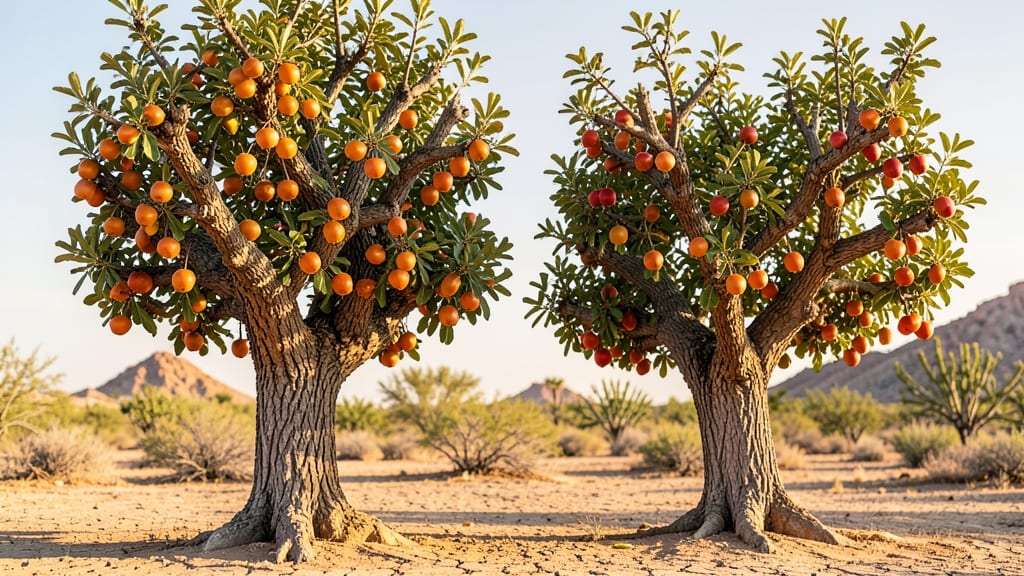
Did you know deserts produce some of the world’s most delicious and hardy fruits? These ten desert-adapted plants thrive with minimal water while offering sweet rewards—perfect for arid climates or drought-tolerant gardens.
Pomegranate Trees Thriving in Hot Climates
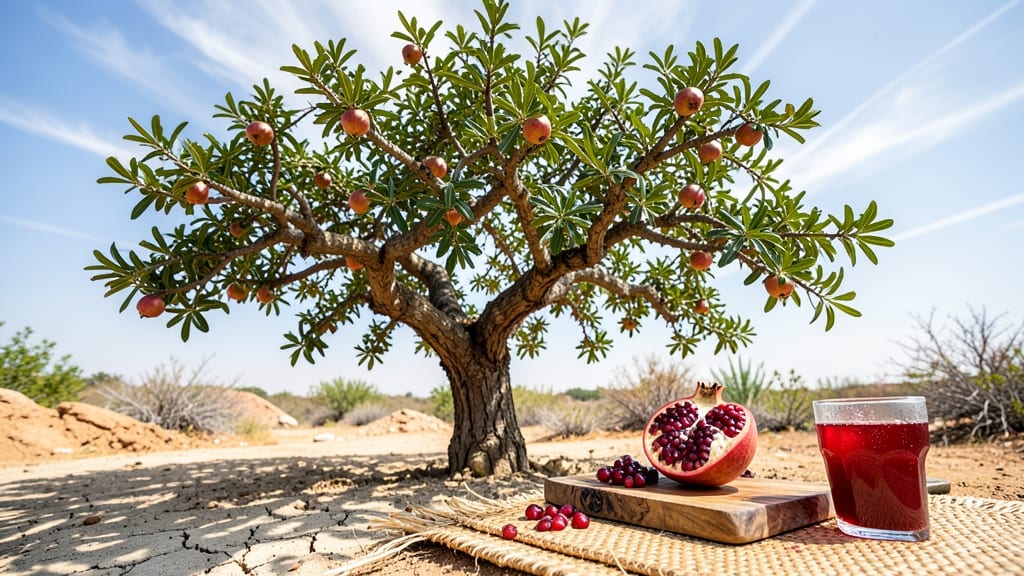
Looking for a drought-resistant fruit tree that thrives in desert heat while adding stunning visual appeal? Pomegranate trees are your answer—these hardy plants produce antioxidant-packed fruits that burst with jewel-like seeds, perfect for juices, salads, or fresh snacking.
Pomegranates flourish in rocky, well-draining soil with full sun exposure (6+ hours daily) and need minimal water once established. Their deep root systems make them ideal for urban desert gardens where water conservation is key. Varieties like ‘Wonderful’ or ‘Eversweet’ are especially well-suited for arid climates, offering year-round greenery and vibrant blooms.
Whether you're an urban gardener or a desert homesteader, pomegranates deliver nutrient-rich fruit with almost no fuss—just plant, water occasionally, and enjoy the rewards for years to come. 🌟
Date Palms Producing Sweet Golden Fruits
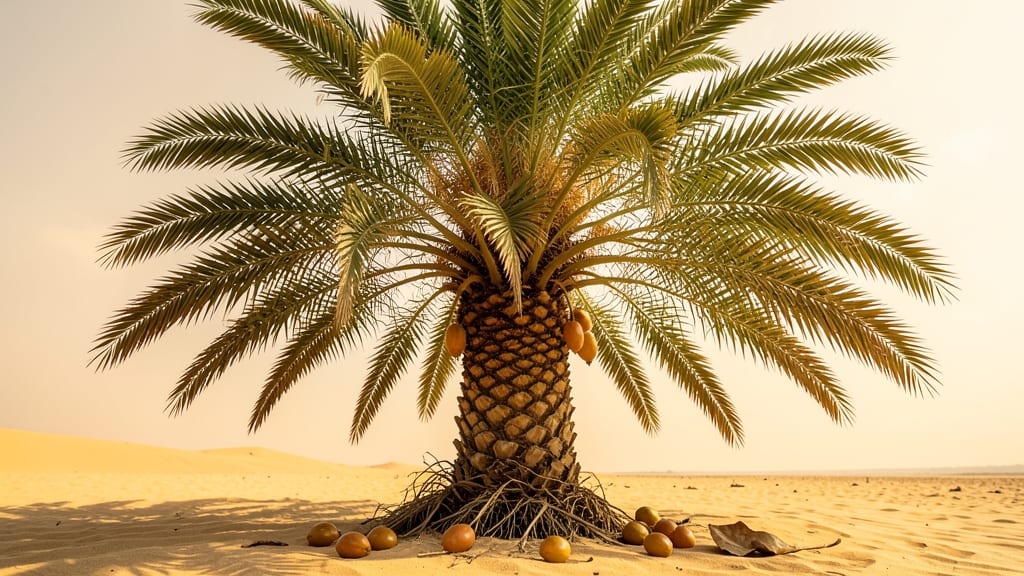
Looking for a fruit tree that practically grows itself in the desert? Date palms are the answer—once established, they thrive on occasional rain alone and produce nutrient-packed fruit for decades. Unlike pomegranates, which need well-draining rocky soil, date palms adapt to sandy or even slightly salty desert soils, making them versatile for arid landscapes.
These palms develop deep root systems that access groundwater, reducing surface water needs to almost nothing after the first year. For best results, plant in full sun with well-drained soil and protect young palms from frost. Varieties like 'Medjool' or 'Deglet Noor' yield sweet, golden dates perfect for fresh eating or drying—ideal for food security in regions where water is scarce.
Perfect for homesteaders, permaculture enthusiasts, or anyone seeking a low-maintenance desert fruit source, date palms offer both sustenance and shade. Their long lifespan makes them a worthwhile investment for sustainable food production. 🌟
Prickly Pear Cactus with Edible Pads
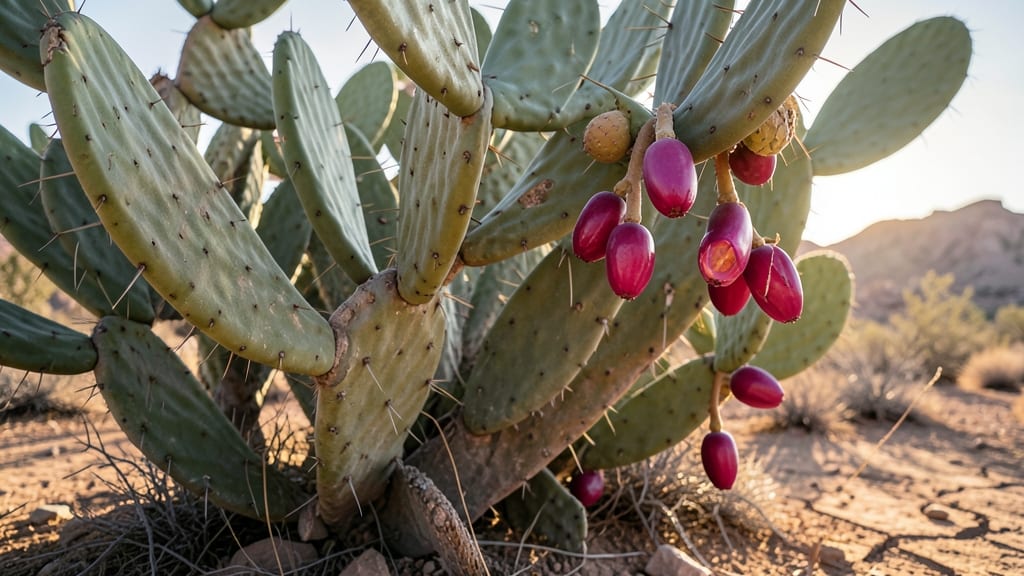
Imagine a plant that gives you two harvests—juicy fruit and tender pads—while surviving on almost no water. The prickly pear cactus does exactly that, making it a desert gardener’s secret weapon for zero-maintenance food production.
Both the bright magenta fruit (called tunas) and the flat, paddle-shaped pads (nopales) are edible and packed with fiber, vitamins, and antioxidants. After the first year of occasional watering to establish roots, these cacti thrive with no irrigation—perfect for survival gardens or water-restricted areas. Simply harvest pads by cutting them off at the base (they regrow!) and fruit by twisting them off the plant once ripe.
This versatile cactus is ideal for beginners or those with limited resources, offering a dual harvest without extra effort. Plus, its striking appearance adds beauty to any desert landscape. 🌱
Fig Trees Growing in Dry Conditions
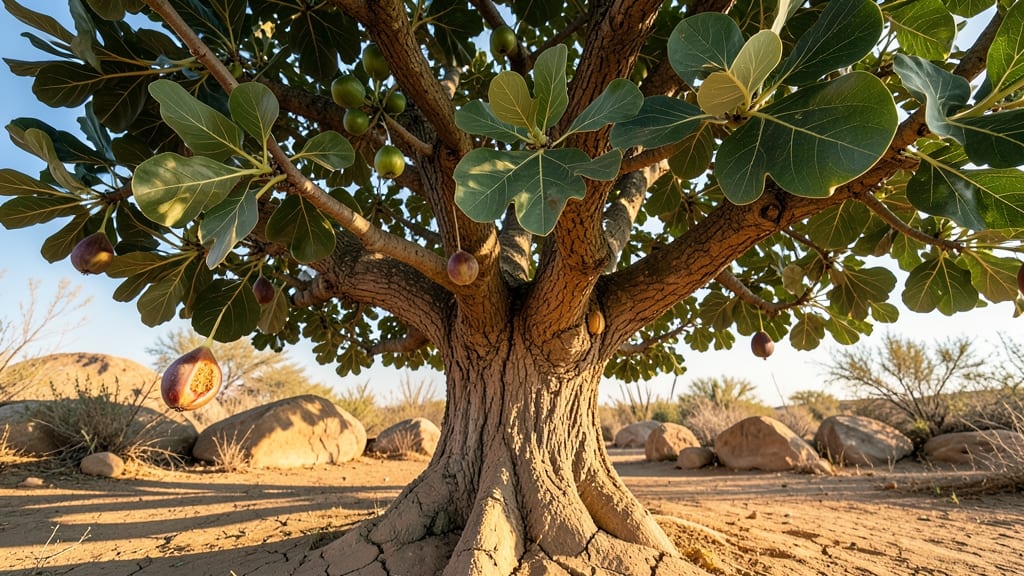
If you’re dreaming of a low-maintenance fruit tree that thrives in desert heat, fig trees are your secret weapon. Unlike many fruiting plants, mature fig trees can go weeks without water while still producing sweet, juicy fruit—making them ideal for arid landscapes where every drop counts.
Once established, fig trees develop deep roots that tap into underground moisture, allowing them to survive on occasional deep waterings rather than frequent shallow ones. They adapt to poor, rocky soil and even tolerate alkaline conditions common in desert regions. For best results, plant in full sun to partial shade and mulch heavily to retain moisture. Varieties like Brown Turkey or Celeste are especially hardy and productive.
Beyond their drought tolerance, fig trees create year-round shade and attract pollinators, making them a dual-purpose addition to wildlife-friendly desert gardens. Perfect for beginners or experienced growers looking to reduce water use without sacrificing harvests. 🌿
Jujube Trees Bearing Nutrient-Dense Berries
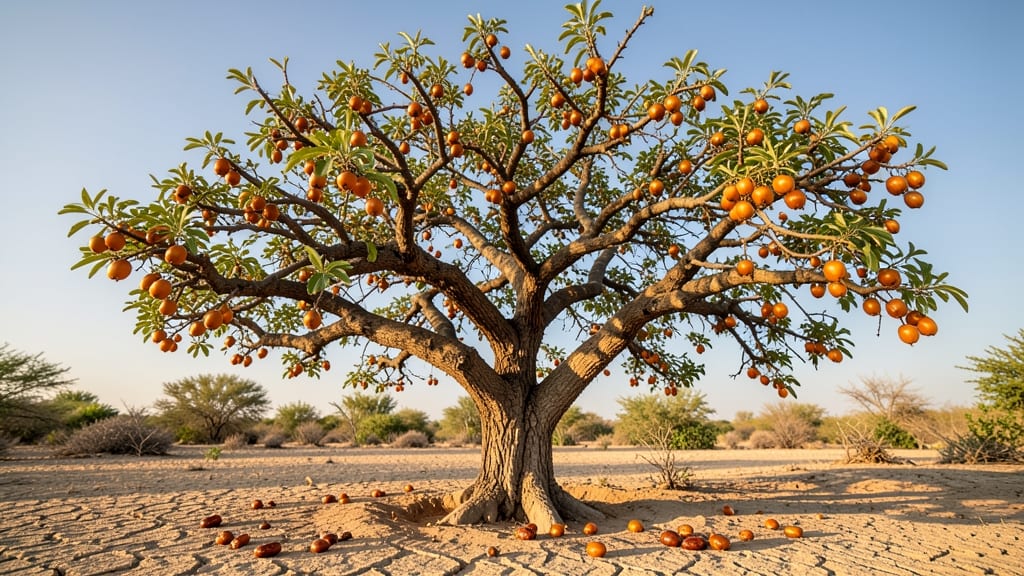
If you're looking for a desert fruit that's as tough as it is nutritious, the jujube tree delivers—often called the "Chinese date" for its sweet, date-like flavor. Unlike other desert fruits, jujubes thrive in alkaline soils and produce vitamin C-rich berries that resist cracking in extreme heat, making them perfect for food forests where water is scarce.
These small, deciduous trees (or shrubs) grow quickly and require minimal care once established, tolerating temperatures up to 110°F. The fruit ripens in late summer to fall, offering a crisp, honey-like taste when fresh or dried. For best results, plant in full sun with well-draining soil and water deeply only during drought—jujubes store moisture efficiently in their deep roots.
Perfect for beginners or permaculture enthusiasts, jujube trees provide both edible fruit and ornamental value, with their glossy leaves and delicate blossoms. Their adaptability makes them a standout choice for desert landscapes where other trees struggle. 🌻
Loquat Trees for Desert Fruit Harvests
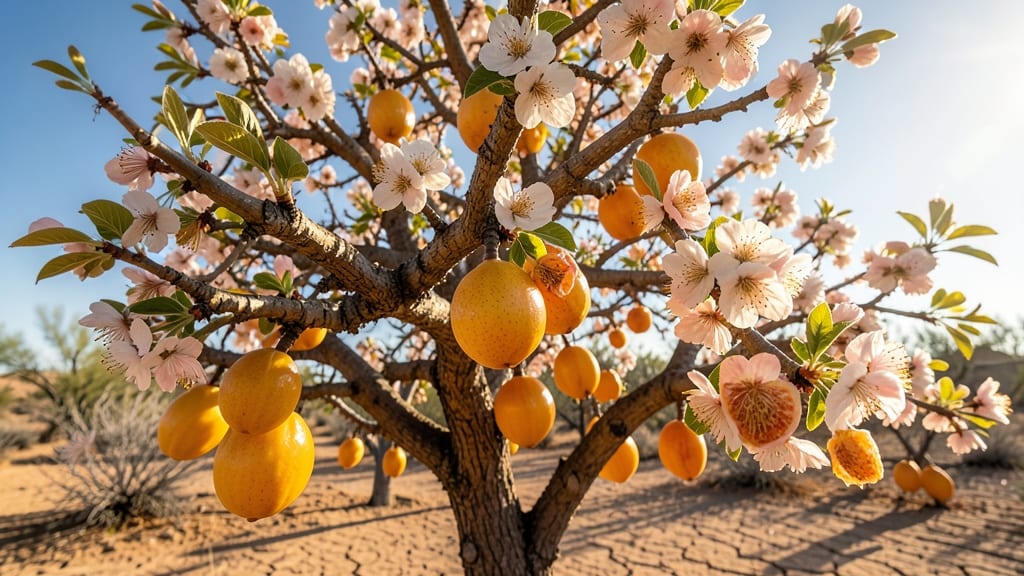
If you crave tropical flavors but live in a desert climate, loquat trees deliver—with their fragrant, honey-sweet fruit that ripens in late winter or early spring. Unlike other fruit trees, loquats bloom early, often before spring rains arrive, making them a reliable choice for Arizona or California gardens where water conservation is key.
Once established, these trees thrive on minimal irrigation and tolerate poor, well-draining soils. Plant them in full sun for best results, and expect year-round interest from their glossy leaves and fragrant blossoms. The fruit, which resembles a small apricot, is packed with vitamin C and makes a refreshing snack straight off the tree.
Perfect for home gardeners who want a low-maintenance fruit tree with a tropical twist, loquats also attract pollinators and add beauty to desert landscapes. 🌻
Barbary Fig (Cactus Fruit) Clusters
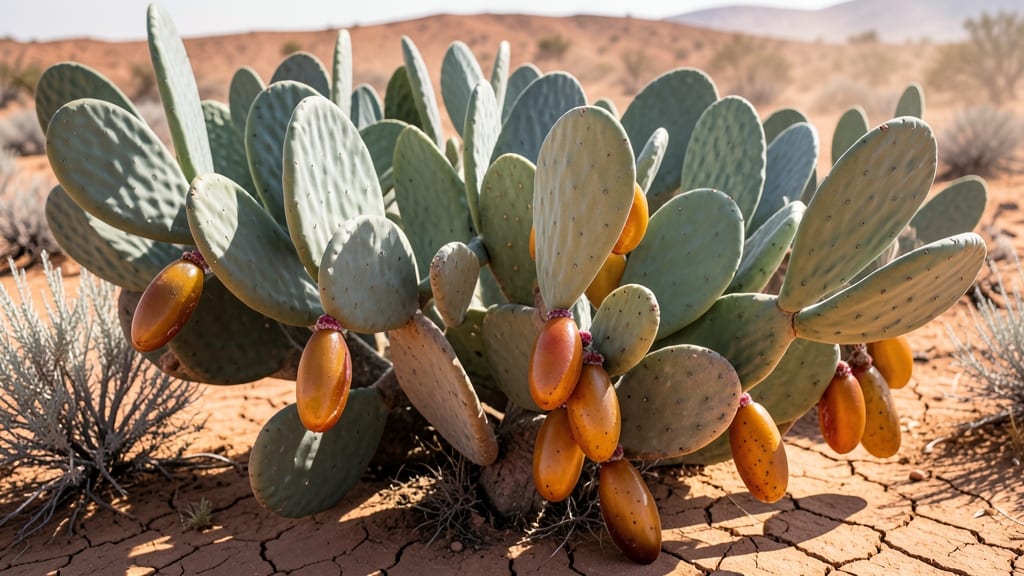
Forget prickly pads—Barbary fig (Opuntia ficus-indica) is the desert's easiest edible cactus, producing clusters of honey-sweet fruit without a single spine to worry about. This spineless wonder thrives in full sun and drought, making it perfect for water-conscious gardeners in the Southwest or Mediterranean climates.
The fruit ripens to a vibrant red, bursting with juicy flesh that tastes like a mix of honeydew and mango. After the initial planting watering, this cactus requires no additional irrigation—just well-draining soil and patience. Harvest clusters when they turn deep red, then enjoy fresh or preserve them in jams and jellies for year-round flavor.
Urban gardeners with limited space will love its compact size, while survival gardeners appreciate its zero-maintenance nature. It’s the ultimate low-effort, high-reward desert fruit. 🌻
Mulberry Trees with Fast-Growing Fruit
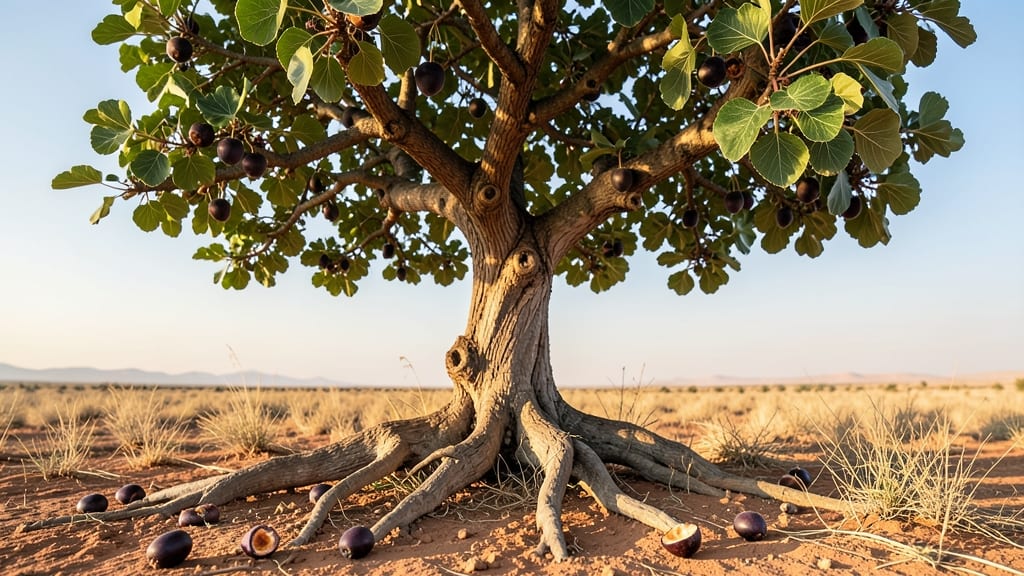
If you’re dreaming of a fast fruit harvest in your desert garden, mulberry trees deliver in just 3-5 years—no waiting decades like some fruit trees. Their deep roots tap into water sources others can’t reach, making them surprisingly drought-tolerant once established, with minimal care required after the first year.
These trees thrive in full sun to partial shade and adapt to poor, rocky, or alkaline soils—common in desert landscapes. Plant them in containers or small spaces (they stay compact) and watch as they produce sweet, juicy berries that attract birds, bees, and butterflies. For permaculture gardens, their fast growth and edible leaves (young shoots are nutritious) make them a multi-purpose powerhouse.
Perfect for urban gardeners, food forests, or survival gardens, mulberries turn even the driest yards into a pollinator-friendly fruit oasis with almost no effort. 🌱
Wolfberry (Goji Berry) Bushes in Arid Soils
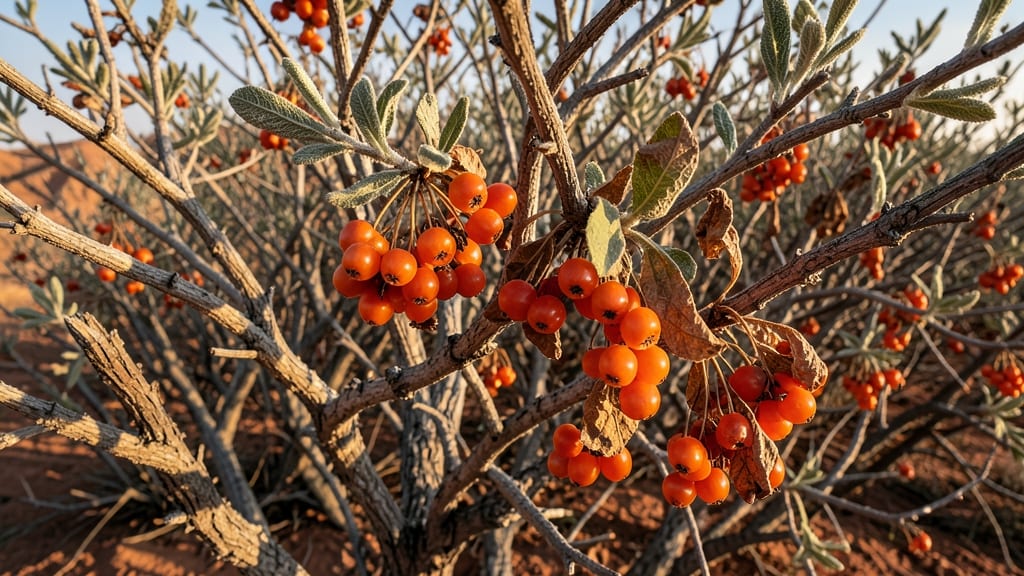
If you're looking for a desert fruit that thrives on neglect and offers medicinal benefits, wolfberries (goji berries) are your perfect match. These hardy bushes produce vibrant orange-red berries packed with antioxidants, vitamins, and adaptogens—all while requiring almost no water once established.
Plant them in well-draining, poor-quality soil with full sun exposure (6+ hours daily), and they’ll reward you with three-year harvests after initial planting. Prune lightly in early spring to encourage bushier growth, but otherwise, these plants are drought-proof and pest-resistant. The berries have a tangy-sweet flavor, perfect for teas, snacks, or dried superfood mixes.
Ideal for medicinal gardens or low-maintenance landscapes, wolfberries are a standout choice for gardeners who want both beauty and health benefits without the fuss. 🌻
Persimmon Trees for Desert Fruit Orchards

If you're dreaming of a long-term desert orchard that requires minimal water but delivers rich rewards, consider persimmon trees. Unlike many fruit trees, certain varieties like American persimmons (Diospyros virginiana) and Asian persimmons (Diospyros kaki) thrive in arid conditions once established, producing luscious, custard-like fruit that’s sweeter than anything you’d find in a grocery store.
These trees develop deep root systems that tap into groundwater, making them incredibly drought-tolerant once mature. Plant them in well-draining soil with full sun exposure, and they’ll reward you with fruit that ripens in late fall—perfect for jams, baking, or eating fresh. While young trees need regular watering, mature persimmons can go months without supplemental irrigation, making them ideal for water-wise orchards in places like Arizona or Nevada.
Persimmons are especially great for gardeners looking to future-proof their landscape—they live for decades and become more resilient with age. Plus, their striking orange fruit adds a pop of color to desert gardens. 🌻