
Plants
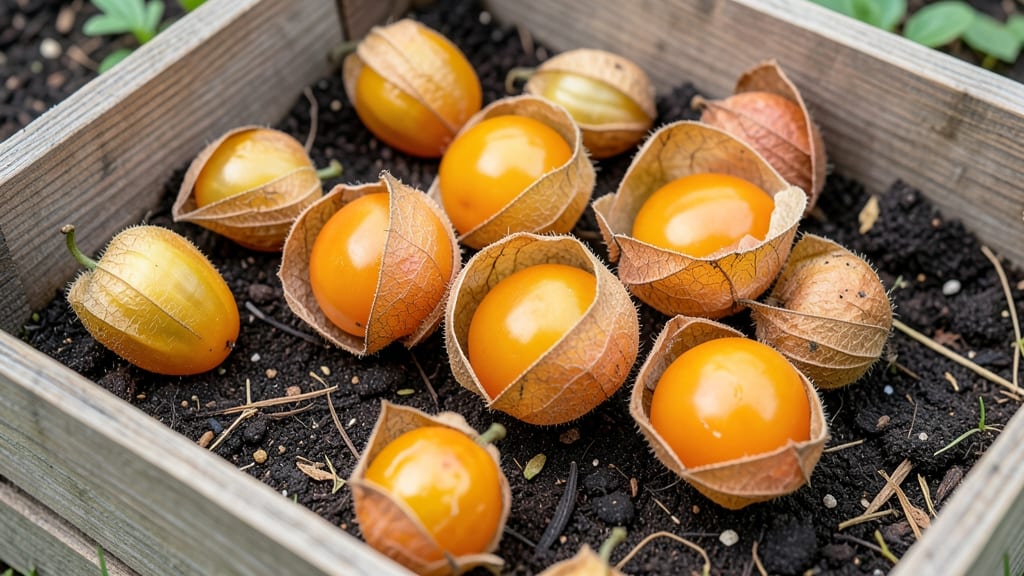
Nature has some surprising lookalikes, and these potato-resembling fruits will challenge your identification skills. Discover seven unusual edible plants that mimic spuds but offer unique flavors and growing benefits for your garden.
Jerusalem Artichoke (Sunchokes)
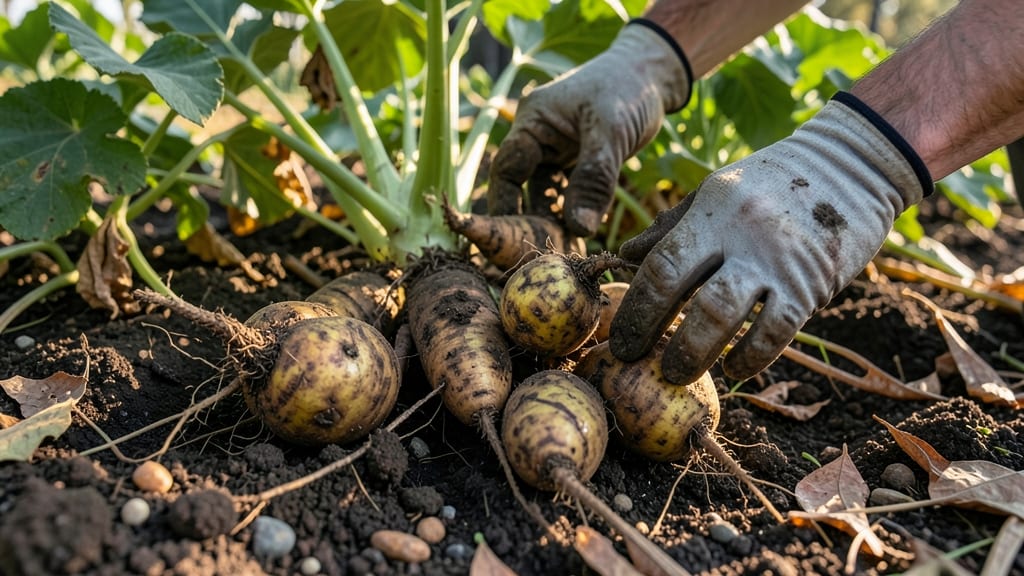
If you're tired of struggling with nutrient-poor soil, Jerusalem artichokes (sunchokes) are your secret weapon. These earthy, nutty tubers don’t just survive in marginal soil—they improve it by fixing nitrogen and replenishing depleted nutrients, making them a permaculture gardener’s dream.
Plant them in full sun to partial shade and watch them thrive even in rocky or sandy soil. Their deep roots break up compacted earth, and they’re drought-tolerant once established. Harvest the knobby tubers in fall, or leave them in the ground for winter—just remember, they’ll regrow from any piece left behind!
Perfect for low-maintenance gardens, sunchokes are also a great forage crop for pollinators. Try roasting or boiling them for a sweet, potato-like flavor with a hint of chestnut. 🌱
Cyclamen Tuberosum (Edible Cyclamen)
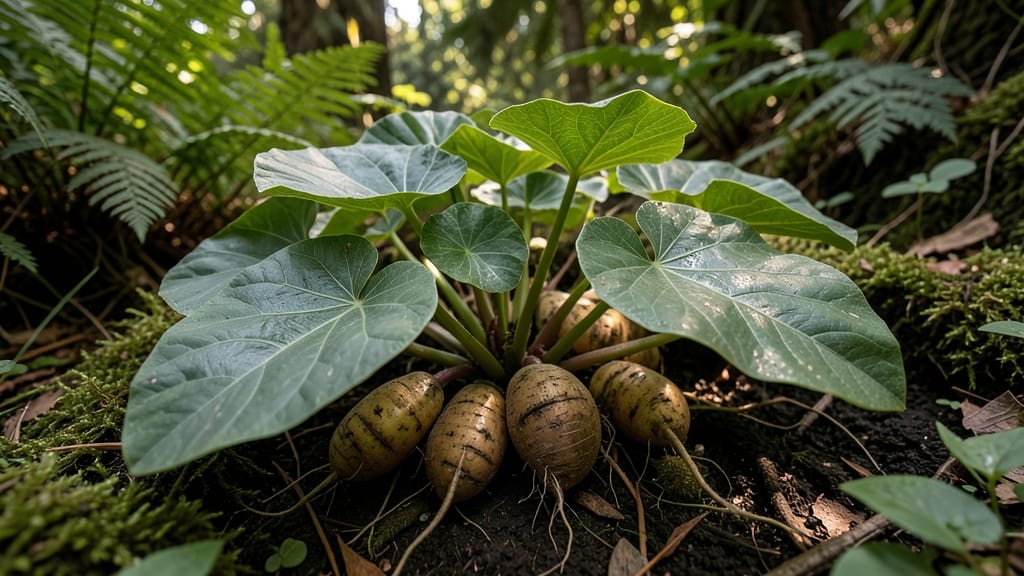
If you’ve ever wished for a shade-tolerant crop that thrives where most vegetables fail, Cyclamen tuberosum delivers sweet, potato-like roots with a hint of vanilla—no sun required! This underrated perennial produces edible tubers that grow in partial to full shade, making it a game-changer for forest gardens, patios, or north-facing beds.
Plant the knobby tubers in well-draining soil (mix in compost for richer harvests) and enjoy delicate pink blooms above ground while the roots develop below. Harvest when foliage yellows in late summer, then store tubers in a cool, dark place for up to 6 months. Avoid overwatering—they rot easily in soggy soil.
Perfect for urban gardeners with limited sun or shade-loving foodies, this plant turns neglected corners into edible oases. Try it as a low-maintenance alternative to traditional crops! 🌱
Ulluccus Tuberosus (Navel Orange)
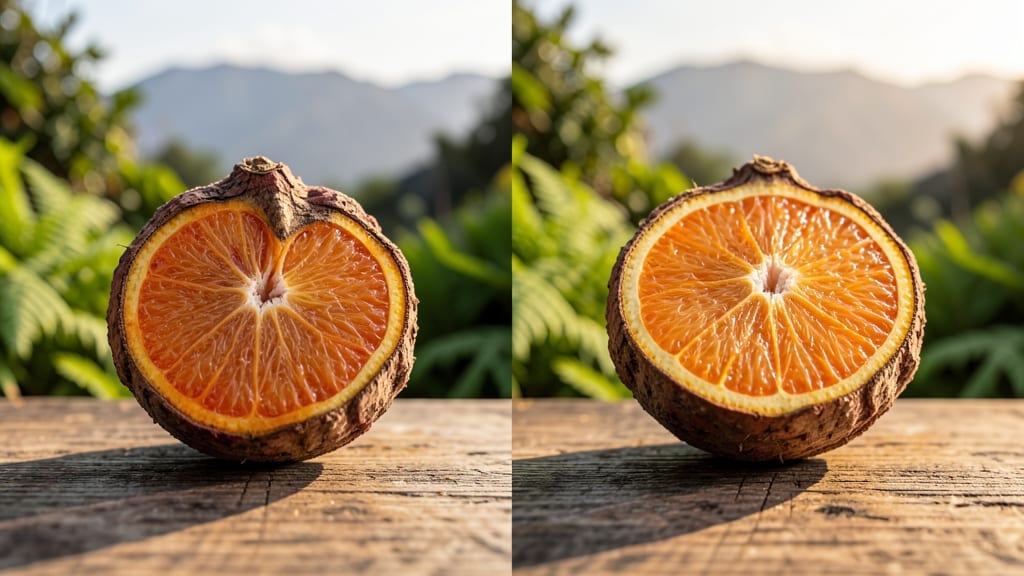
Imagine biting into a tuber that tastes like a cross between an orange and a sweet potato—Ulluccus tuberosus, or Navel Orange, delivers exactly that! This Andean native isn’t just a curiosity; it’s a hardy, nutrient-packed tuber with bright orange flesh packed with vitamin C and a naturally sweet, citrusy flavor.
Thriving in dry, rocky soils with minimal water, it’s perfect for drought-prone gardens or high-altitude regions where traditional crops struggle. Plant tubers in full sun to partial shade during spring, spacing them 12 inches apart. Harvest when foliage yellows, about 6-8 months after planting—each tuber yields 2-3 smaller "navel" tubers for propagation.
Gardeners in arid climates or those seeking unique, low-maintenance crops will love this underrated gem. Its dual role as both food and ornamental makes it a standout for sustainable gardens. 💚
Elephant Foot Yam (Amorphophallus paeoniifolius)
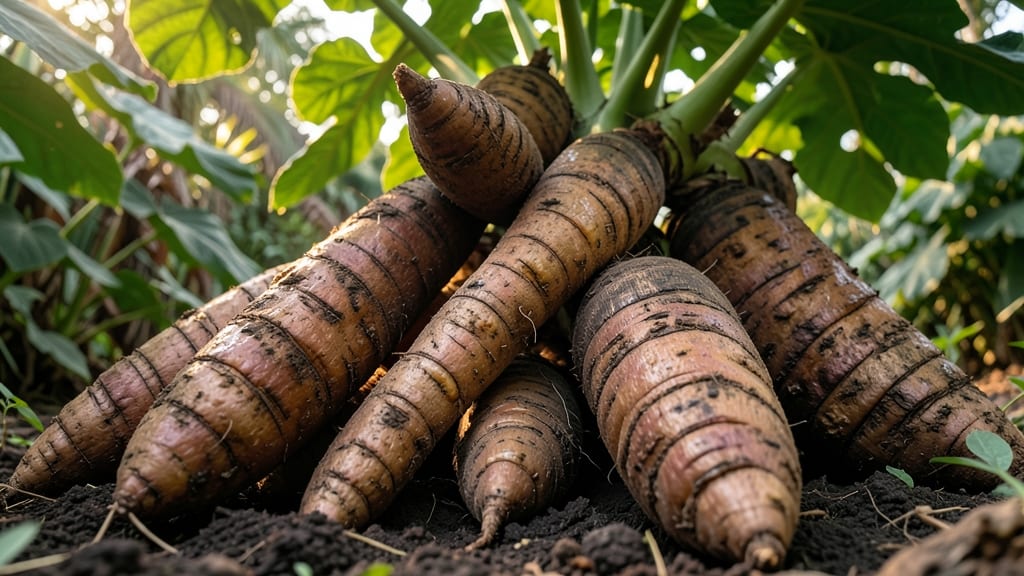
If you're looking for a dramatic and edible garden statement plant, the elephant foot yam delivers with tubers that can weigh up to 100 pounds—think of a giant, knobby potato with a tropical twist. This starchy root thrives in heat and humidity, making it perfect for gardeners in zones 9-11 or those with greenhouse space.
The plant itself is a spectacle, producing a single, massive leaf (up to 5 feet tall) that unfurls after flowering, followed by the impressive tuber below ground. For optimal growth, plant tubers in well-draining soil with partial shade to protect them from extreme heat. While slow to mature (taking 1-2 years to produce tubers), their drought tolerance and striking appearance make them a rewarding addition for adventurous gardeners.
Best suited for tropical climates or as a conversation piece in containers, this yam offers both culinary potential and visual impact—ideal for those who want their garden to stand out. 🌻
Chinese Artichoke (Edible Bud)
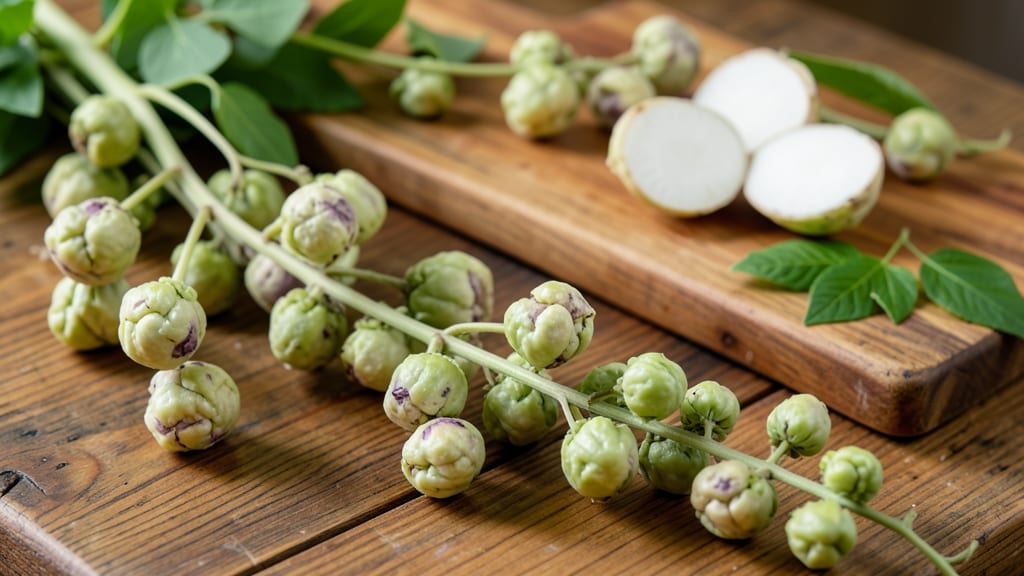
If you’ve ever wished for a potato-like harvest but lack space for traditional tubers, Chinese artichokes (also called edible buds) are your perfect solution. These knobby, crisp buds grow in clusters along vines and taste like a cross between cabbage and water chestnuts—ideal for stir-fries, salads, or steaming.
Perfect for container gardening, Chinese artichokes thrive in partial shade to full sun and tolerate cooler climates better than most tropical tubers. Plant seeds or young plants in well-draining soil, keeping them consistently moist but not soggy. Harvest the buds when they’re 2-3 inches long for the best texture, and you’ll get a year-round supply with successive plantings.
Urban gardeners and small-space growers will love how these low-maintenance plants produce edible buds within 60-90 days, making them one of the fastest-harvesting "potato-like" crops. Plus, their mild, nutty flavor adds a unique twist to meals. 🌱
Purple Sweet Potato (Ipomoea batatas)
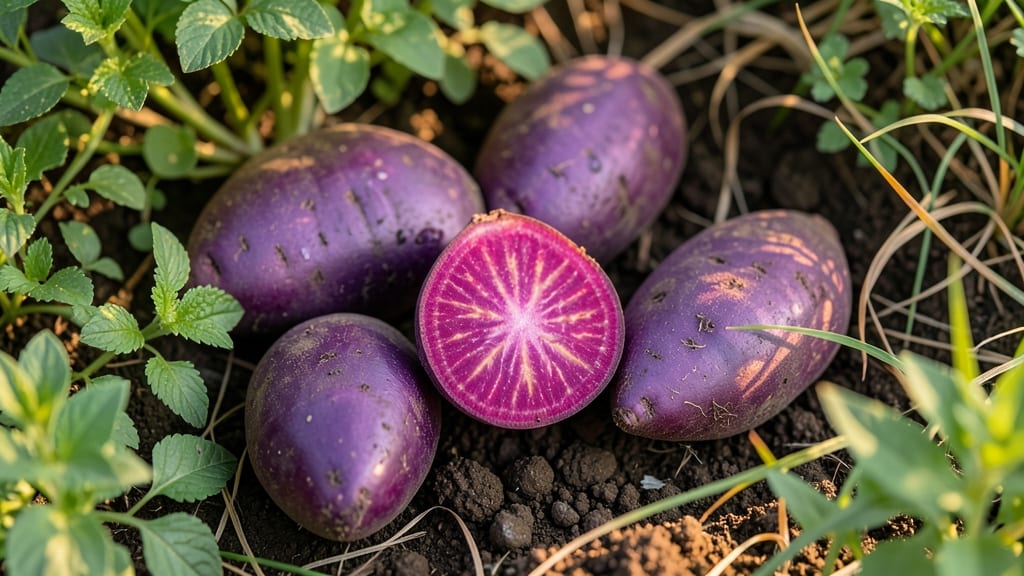
Transform your garden into a nutrient-packed rainbow with purple sweet potatoes—these aren’t your average spuds. Their deep violet flesh isn’t just stunning; it’s packed with antioxidants like anthocyanins, offering 10 times more than orange-fleshed varieties. The flavor? A sweet, nutty twist on traditional sweet potatoes, perfect for roasting or mashing.
Grow them in warm climates (USDA Zones 9-11) or extend the season in containers. Plant slips in well-draining soil with full sun (6+ hours daily) and keep soil consistently moist but not soggy. Harvest when foliage yellows—dig carefully to avoid bruising those vibrant tubers. They’re also drought-tolerant once established, making them low-maintenance once rooted.
This variety is a showstopper for gardeners who love edible landscaping. The striking purple tubers make harvest displays irresistible, while their health benefits elevate them beyond mere decoration. 🌻
Canna Edulis (Edible Canna)
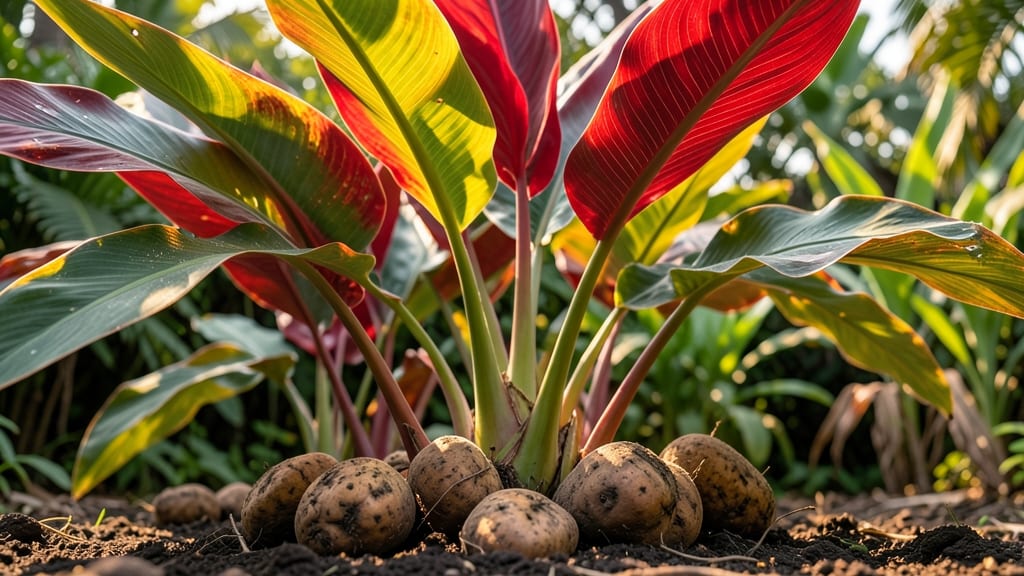
If you crave a tropical twist on starchy tubers, Canna Edulis delivers both edible harvests and bold garden drama. This underrated plant produces potato-like tubers with a mild, nutty flavor while showcasing dramatic foliage in vibrant reds, yellows, and greens.
The tubers thrive in USDA zones 8-11, requiring full sun to partial shade and consistently moist, well-draining soil. Plant them in spring after the last frost, spacing tubers 12-18 inches apart for optimal growth. The ornamental leaves can reach 3-5 feet tall, making it a stunning border plant that doubles as a food source.
Perfect for warm-climate gardeners or those with greenhouses, Canna Edulis offers a dual-purpose solution—edible harvests and eye-catching foliage. Just be sure to harvest tubers before frost sets in! 🌻