
Trees
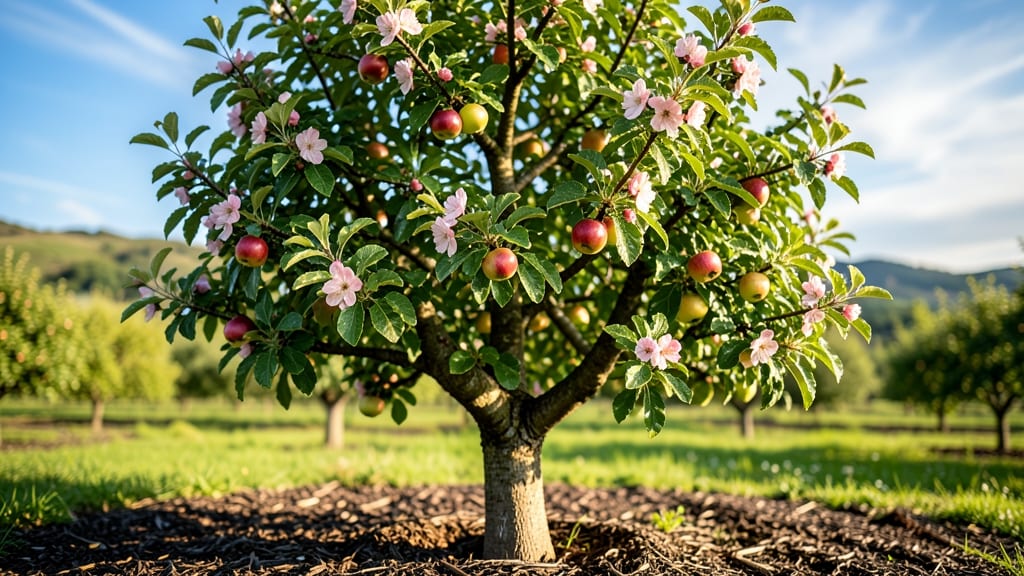
One apple tree can produce fruit, but it needs cross-pollination from another compatible variety or a pollinizer like a crabapple tree. Dwarf trees typically fruit in 2-3 years, while standard varieties take 3-5 years to mature. Proper sunlight, soil, and seasonal care directly affect how much fruit your tree will yield.
A single apple tree can set fruit, but the quality and quantity depend entirely on whether it gets the right genetic partners. 🌳 Most commercial varieties are cross-pollinated, meaning they need another tree with compatible blossom times to produce fruit.
Even if your tree sets fruit alone, the results are often small, misshapen, or poor-quality. Dwarf trees are great for small spaces but still require pollination—just like their larger counterparts. The good news?
Many crabapple varieties act as excellent pollinizers, helping your main tree thrive without taking up extra garden space.
Beyond pollination, environmental factors play a huge role. Apple trees need at least 6-8 hours of full sun daily and well-draining soil rich in organic matter. Overwatering or poor drainage can stress the tree, while proper pruning in late winter helps maximize fruit production.
I’ve seen trees in ideal conditions produce hundreds of pounds of fruit per season, while neglected ones might yield just a handful. The key is consistency—good care in the first few years sets the stage for years of harvests.
💡 In This Article
- Apple Tree Pollination Requirements Explained
- Factors That Influence Apple Tree Fruit Yield
Apple tree pollination requirements explained
Apple trees rely on a fascinating process called cross-pollination, where pollen from one tree's blossoms must fertilize another's to produce fruit. Most commercial apple varieties are cross-pollinating, meaning they can't fertilize themselves effectively. When bees or wind transfer pollen between compatible trees, the blossoms develop into fruit.
Without this exchange, you might see tiny apples called "king apples" that fall off early—these are the result of poor pollination or self-fertilization attempts.
The timing of blossoming is critical—trees must bloom simultaneously for successful pollination. For example, a Honeycrisp tree blooms in mid-April, while a Granny Smith blooms slightly later. Planting two varieties with overlapping bloom periods ensures better fruit set.
Crabapple trees are excellent pollinizers because their blossoms attract bees and release pollen that fertilizes nearby apple trees. In my garden, a Sargent crabapple has helped my Fuji tree produce full-sized apples every year.
Some apple varieties are self-pollinating, like Liberty or Enterprise, meaning they can produce fruit alone, though yields are often lower. These trees still benefit from cross-pollination for larger, higher-quality fruit.
The key is understanding your tree's needs—most nurseries label varieties as "self-fertile" or "cross-pollinated." If you're unsure, planting a second tree or crabapple nearby is a simple solution to guarantee fruit production.
Wind and bees are the primary pollinators, but their efficiency varies by location. In urban areas, bees may be scarce, while rural settings benefit from natural pollinator activity. If you notice sparse fruit set, consider hand-pollinating with a small brush to transfer pollen between blossoms.
This technique works best on calm days when bees are less active. The goal is to mimic nature's process—just with a little extra help.
Temperature also plays a role: apple blossoms thrive in 50-70°F conditions. Late frosts can damage flowers before pollination occurs, leading to poor fruit set. In colder climates, choose early-blooming varieties or use frost protection methods like row covers.
Proper pollination isn't just about having another tree nearby—it's about creating the right conditions for nature's partnership to succeed.
What most people don't realize is that even well-pollinated trees can drop fruit early due to stress. This phenomenon, called "June drop," is natural but can be reduced by ensuring the tree has enough water and nutrients.
A healthy tree with good pollination will hold onto its fruit, leading to a bountiful harvest. 🌸