
Vegetables
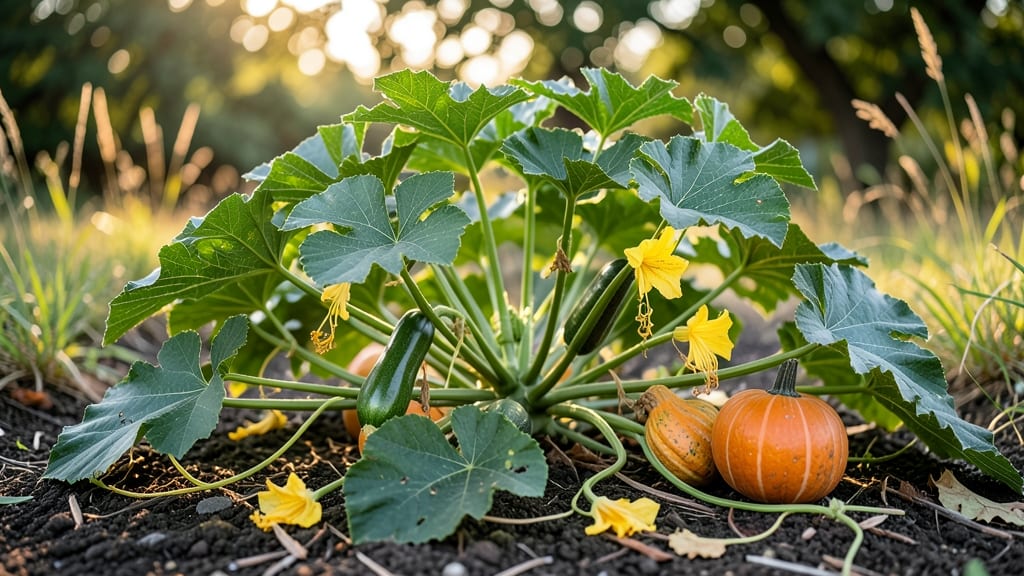
All squashes are botanically classified as fruits because they develop from flowers and contain seeds, but in culinary terms, many are treated as vegetables due to their savory flavor and how they’re used in cooking.
Botanically speaking, squashes are fruits because they form from the ovary of a flower and contain seeds. 🌱 Think of them like nature's packaging for the next generation of plants—just like tomatoes or cucumbers.
The confusion arises because we typically eat the fleshy, seed-bearing parts of these plants as savory ingredients rather than sweet treats, which is why they end up in vegetable sections of grocery stores.
In the kitchen, this distinction matters less than you might think. Whether you call them fruits or vegetables, their culinary role remains the same—adding hearty texture and flavor to dishes.
For example, zucchini and butternut squash are staples in savory recipes, while pumpkins often star in both sweet and savory dishes alike.
💡 In This Article
- Botanical Classification: Why Squashes Are Fruits
- Culinary Confusion: When Squashes Are Treated as Vegetables
Botanical classification: why squashes are fruits
The scientific definition of a fruit centers on its reproductive purpose: fruits develop from the ovary of a flower and contain seeds. Squashes fit this definition perfectly—their hard outer rinds protect seeds inside, just like apples or peaches.
When you cut open a butternut squash, you'll see the central cavity packed with flat, white seeds surrounded by sweet, edible flesh. This seed-bearing structure is the botanical hallmark that classifies squashes as fruits, not vegetables.
Compare this to other commonly confused plants: tomatoes and cucumbers also develop from flowers and contain seeds, yet we treat them as vegetables in cooking.
The key difference lies in their culinary use—squashes, like their relatives, have thick, sturdy rinds and dense flesh that makes them ideal for savory dishes. 🌱 For example, a zucchini's flesh is packed with tiny seeds (visible when sliced), just like a cucumber, but its thicker skin and heartier texture make it more versatile in cooking.
What makes this classification especially interesting is how squashes evolved from wild gourds. Their thick skins developed as a natural defense mechanism against pests and harsh conditions, while the fleshy interior stores nutrients to support seed development.
This dual-purpose structure—protective exterior with edible interior—is why squashes blur the botanical lines so effectively. Even pumpkins, which we often associate with sweet pies, are botanically fruits because they develop from flowers and contain seeds.
The confusion stems from how we define "fruit" in everyday language versus science. Botanically, any plant that develops from a flower and contains seeds is a fruit, regardless of taste. This includes everything from strawberries to eggplants.
Squashes simply follow this rule—just like their cucurbit family members, which all share this reproductive structure. The savory flavor comes from their high water content and natural sugars, not their botanical classification.
Consider this visual comparison: when you slice open a bell pepper (botanically a fruit) or a tomato, you'll see seeds in the center—just like in a squash. The only difference is our cultural habit of using them in savory dishes rather than sweet ones.
This is why botanists and gardeners often say "fruit" while chefs and grocery stores might call them "vegetables"—it's all about perspective.